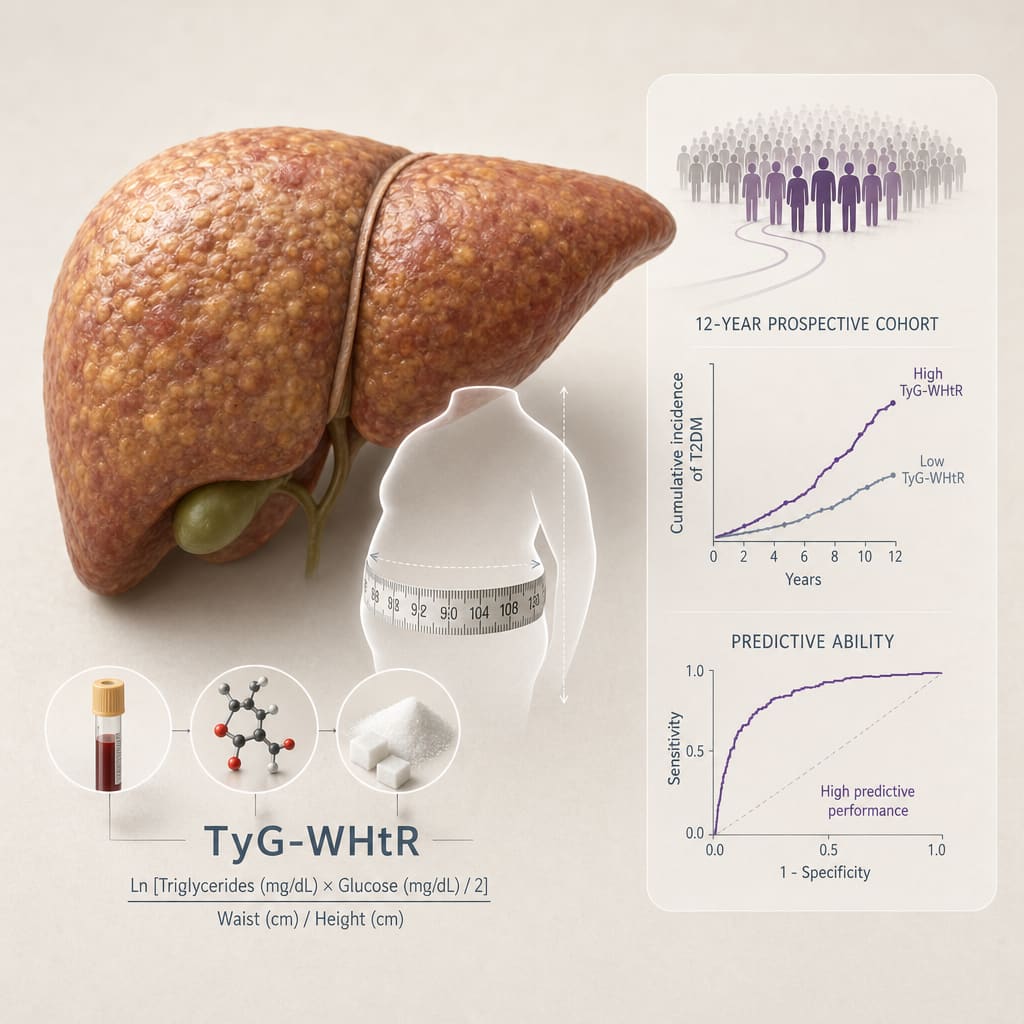
To discuss the rationale behind the transition from the term nonalcoholic fatty liver disease (NAFLD) to metabolic dysfunction–associated steatotic liver disease (MASLD) and its implications for patient care and research.
Key Findings:
The term NAFLD was criticized for being exclusionary and stigmatizing.
MASLD includes metabolic risk factors in its definition, reflecting the disease's pathophysiology.
A new category, MetALD, recognizes the impact of alcohol on liver disease progression and its association with increased mortality.
Interpretation:
The transition to MASLD aims to provide a more accurate and less stigmatizing framework for understanding liver disease related to metabolic dysfunction, while also addressing the complexities of alcohol consumption and its implications for treatment.
Limitations:
Mass population screening for MASLD is not currently recommended due to cost-effectiveness concerns.
Further evaluation is needed on the contributions of alcohol and metabolic factors at the patient level, particularly regarding their interaction and impact on disease progression.
Conclusion:
The adoption of MASLD represents a significant shift in the understanding and classification of liver disease, focusing on metabolic dysfunction and reducing stigma.