To examine gastrointestinal infections in pediatric populations, emphasizing the interconnected biological, social, and systemic factors.
Approach:
Research Topic Overview: The Research Topic addresses the continuum of risk factors for pediatric gastrointestinal infections, including environmental exposure, nutrition, and hospital management.
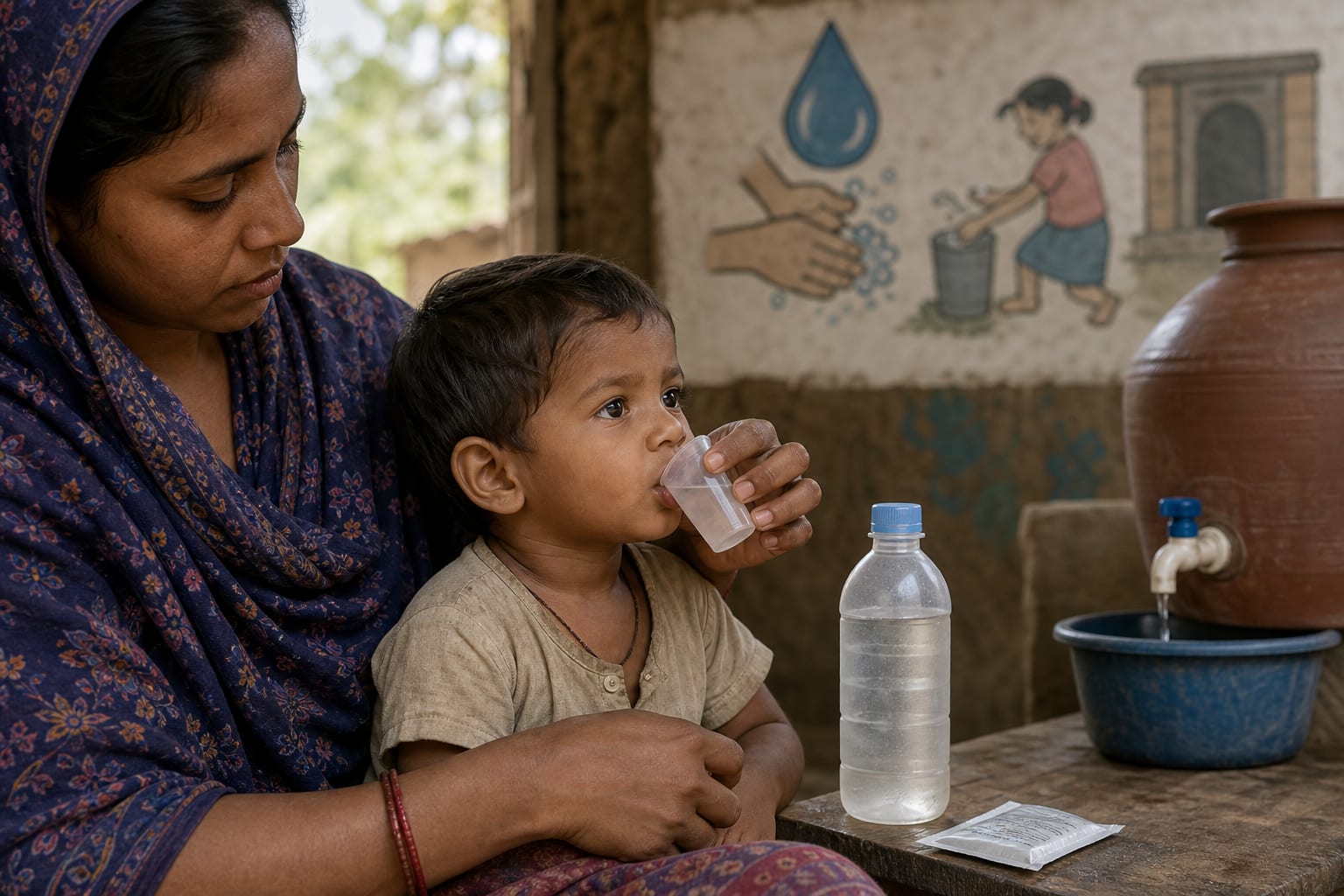
Community Prevention Insights: Shukla et al. emphasize the importance of prevention and early home management, revealing gaps in caregiver knowledge and practice regarding diarrhea management.
Hospital-Based Treatment Studies: Huo et al. and Li et al. investigate treatment approaches for children with gastrointestinal diseases, focusing on catheter infections and postoperative care.
Transmission and Diagnosis: Tang et al. report on hidden transmission of Salmonella in households, advocating for layered diagnostic strategies.
Antimicrobial Resistance Findings: Dinh et al. highlight the prevalence of carbapenem-resistant Enterobacterales in hospitalized children, stressing the need for infection prevention measures.
Key Findings:
Pediatric gastrointestinal infections are interconnected with malnutrition, unsafe water, and antimicrobial resistance.
Awareness of diarrhea management among caregivers does not always translate into effective practice.
Ceftriaxone shows the fastest antibacterial response in treating catheter infections.
Layered diagnostic strategies may uncover hidden transmission of pathogens.
Carbapenem-resistant Enterobacterales colonization is prevalent in hospitalized children, particularly in intensive care.
Interpretation:
Pediatric gastrointestinal infections are complex and influenced by various biological, social, and systemic factors.
Limitations:
The findings are based on specific studies and may not be generalizable across all pediatric populations.
The editorial does not provide quantitative data to support the claims made.
Conclusion:
A multifaceted approach integrating WASH, nutrition, caregiver education, and improved surveillance is essential to reduce the burden of gastrointestinal infections in children.