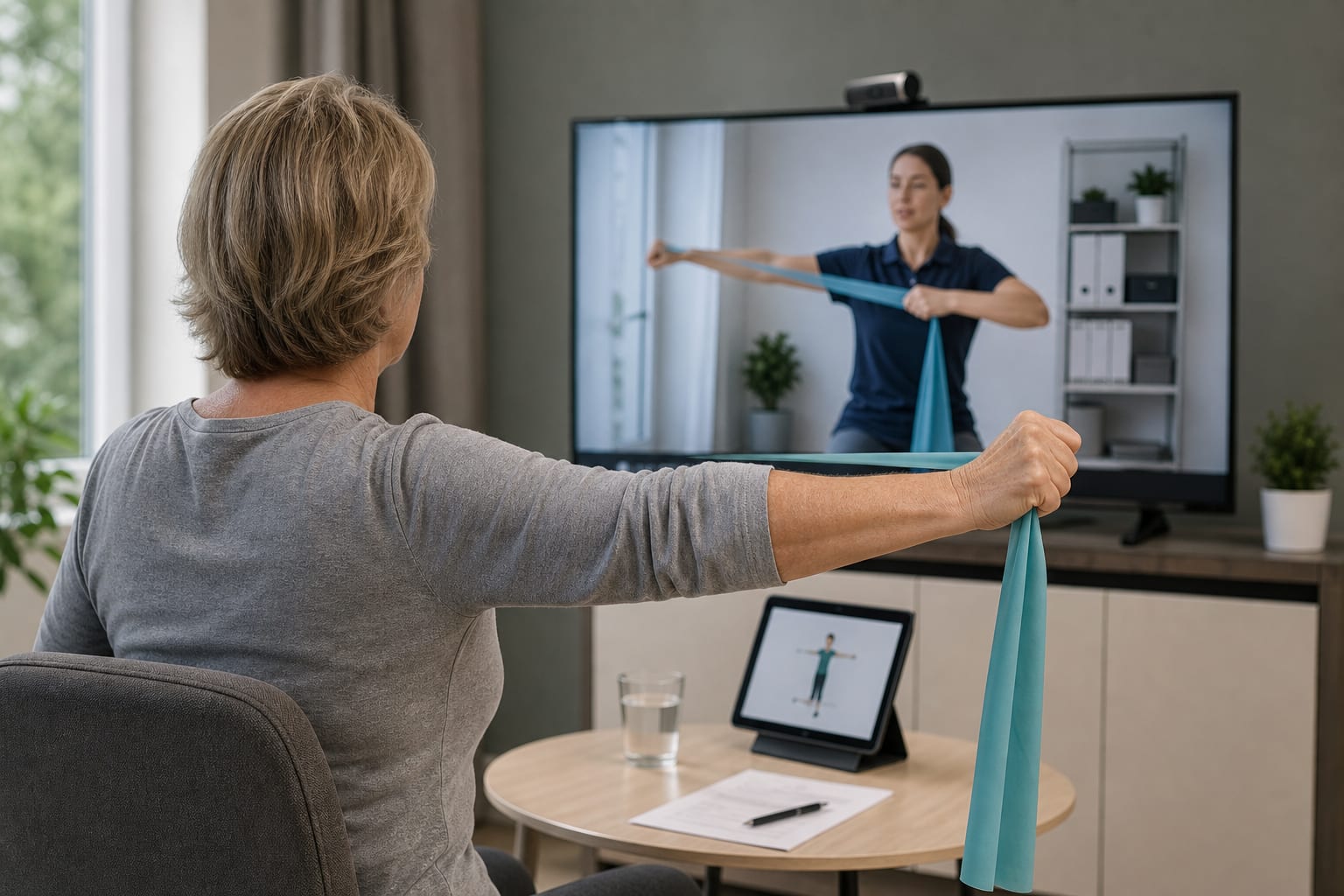
To examine patients’ acceptance of telerehabilitation and identify factors contributing to high acceptance levels.
Approach:
Study Design: A cross-sectional design was applied, recruiting participants from thirteen rehabilitation centers, with surveys conducted digitally or via paper.
Measurement: Acceptance was measured using the UTAUT2 model, supplemented with questions on privacy concerns, usability, and technology affinity.
Data Analysis: Descriptive analysis followed by structural equation modeling to determine factors influencing behavioral intention and use behavior.
Screening data from a UK clinical trial found low vitamin D levels in 55% of older patients and 72% of ethnic patients, with little variation despite summer months.
Nearly 90% of patients who met algorithmic criteria for postacute sequelae of SARS-CoV-2 infection had at least 1 chronic or potentially chronic condition requiring ongoing clinical management.