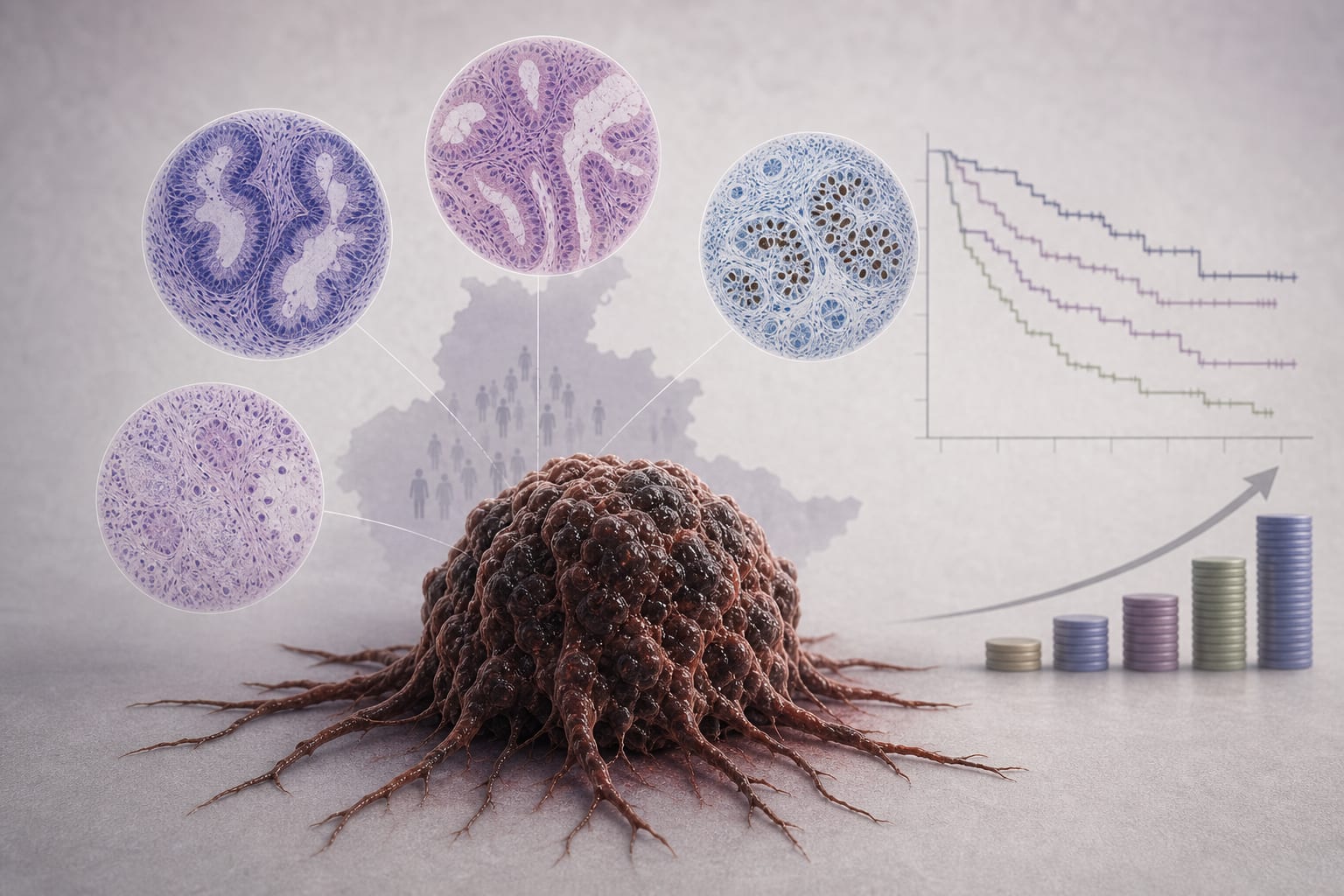
To estimate the prevalence of HPV-driven HNSCC versus HPV-associated HNSCC in Malaysia and identify the HPV genotypes involved, clarifying the distinction between the two categories.
Key Findings:
HPV-driven HNSCC prevalence and characteristics in Malaysian patients are under-researched, highlighting a gap in clinical knowledge.
p16INK4a IHC is a surrogate marker for HPV status but may yield false positives, necessitating caution in interpretation.
Combining p16INK4a IHC with molecular tests improves accuracy in determining HPV-driven tumours, which is crucial for treatment decisions.
Interpretation:
Accurate determination of HPV status is crucial for prognosis and treatment decisions in HNSCC patients, particularly in regions with varying prevalence rates, underscoring the need for standardized testing methods.
Limitations:
Limited existing data on HPV-driven HNSCC in Malaysia may affect the generalizability of findings.
Potential selection bias in case identification could influence results.
Lack of individual patient consent due to retrospective study design may limit patient engagement.
Conclusion:
The study highlights the need for standardized HPV testing methods in Malaysia to better understand the epidemiology of HPV-driven HNSCC and inform public health initiatives.