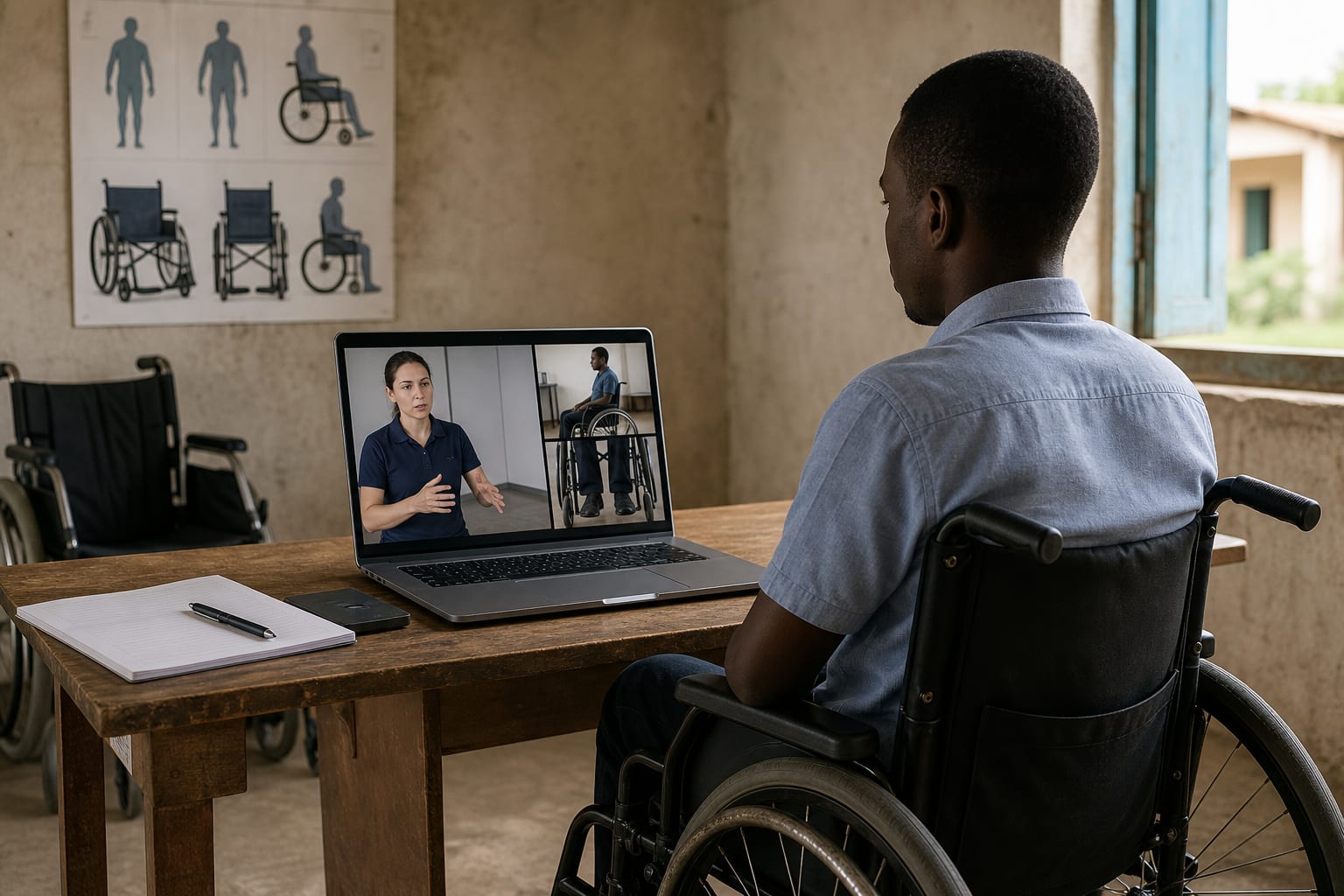
To map and describe existing evidence on telehealth wheelchair assessment practices, technologies used, stakeholder experiences, and implementation considerations, particularly in low-resource settings.
Approach:
Key Findings:
Over 2.5 billion people globally require assistive products, with 80 million needing wheelchairs.
Access to specialized wheelchair services is limited in low- and middle-income countries (LMICs), leading to unmet rehabilitation needs.
Early evidence suggests that telehealth may enhance access to wheelchair assessments, with outcomes comparable to in-person assessments.
Interpretation:
Successful implementation of tele-wheelchair assessment requires clear protocols, clinician training, adequate technology, and user-centered practices.
A structured overview of recent FDA recalls, corrections, and alerts involving medications, ventilators, insulin delivery systems, cardiovascular devices, anesthesia products, and other equipment used in clinical practice.