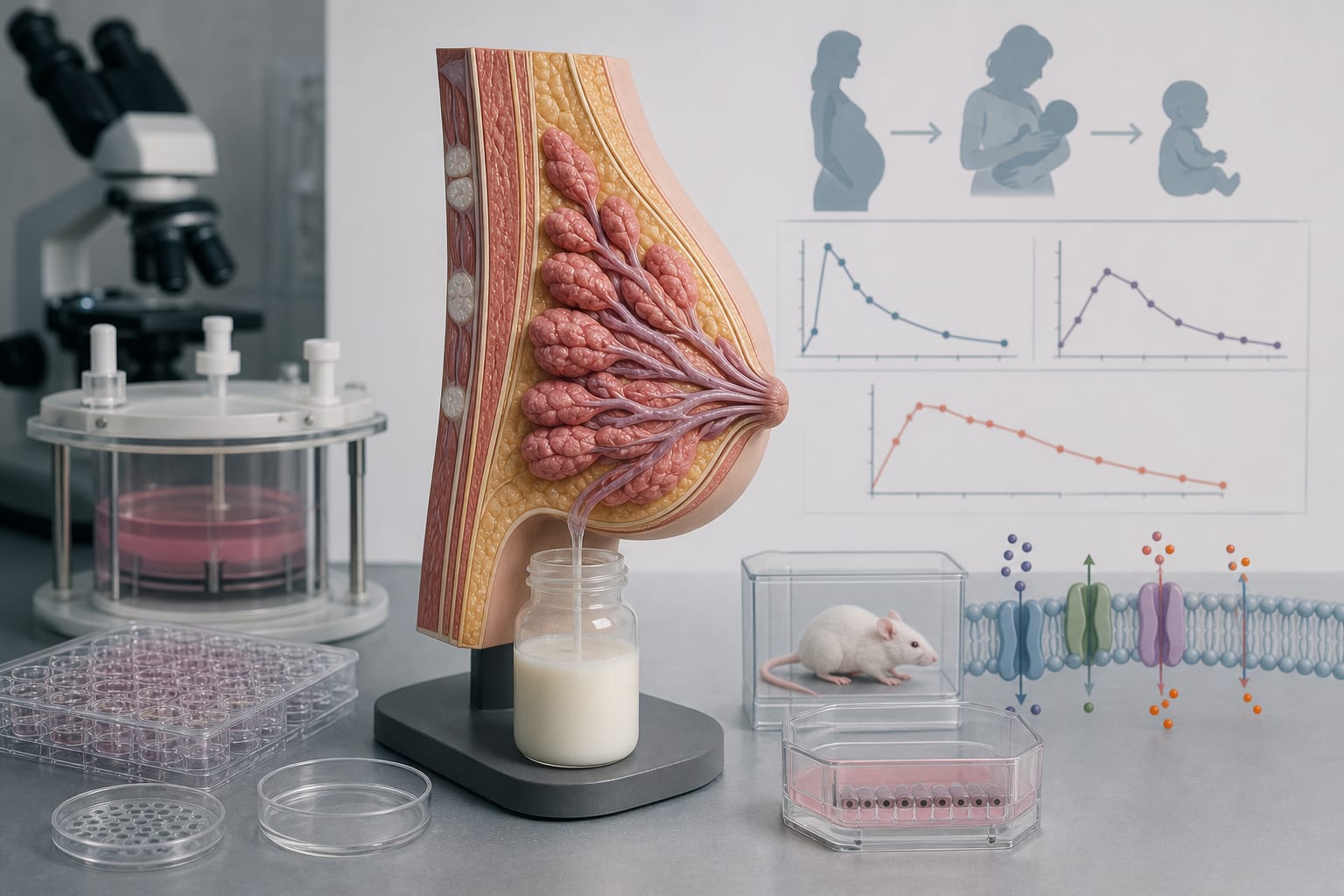
To summarize pharmacokinetic metrics for quantifying drug transfer to human milk and explore clinical study designs and non-clinical models relevant to lactation and drug safety.
Approach:
Key Findings:
66%-72% of nursing mothers use some form of medication, highlighting the need for safety data.
Only 2% of new medications have advisory statements supporting their use during lactation, indicating a significant gap in knowledge.
Most drug transfer to human milk occurs via passive diffusion, but this should not generally discourage breastfeeding; understanding individual drug profiles is crucial.
Interpretation:
Clinical data is essential for understanding drug transfer to human milk, yet significant challenges exist in enrolling lactating women in studies, which must be addressed to improve drug safety assessments.
Limitations:
Lack of standardized guidelines for conducting clinical lactation studies.
Ethical concerns regarding the risk-benefit ratio of medications for mothers and infants.
Limited human data primarily sourced from case studies, with variability in drug transfer among different medications.
Conclusion:
Inclusion of lactating women in clinical studies is crucial for generating real-world pharmacokinetic data, validating models, and developing standardized guidelines to enhance drug safety for infants.
The partner in the next room, the hormone in the blister pack, the cat on the couch, the minute-long chair stand. Several new studies suggest the factor shaping outcomes may be the one clinicians aren’t routinely measuring.