Telehealth Usability, Engagement Patterns, and Technical Infrastructure in Managing Noncommunicable Diseases Among Health Care Professionals in Brazil, Ghana, Honduras, and the United Kingdom: Multinational Cross-Sectional Study - Summary - MDSpire
Advertisement
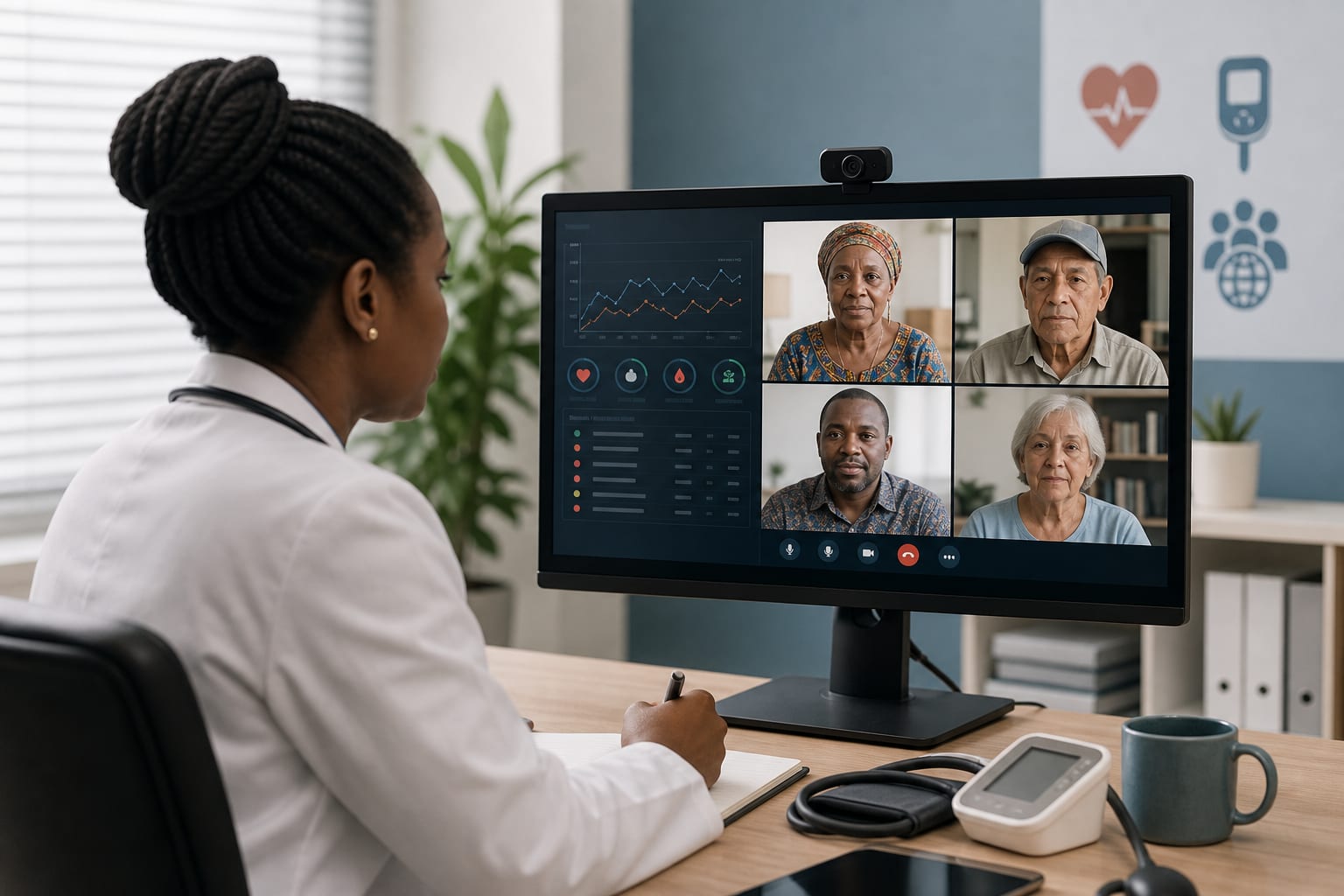
Telehealth Usability, Engagement Patterns, and Technical Infrastructure in Managing Noncommunicable Diseases Among Health Care Professionals in Brazil, Ghana, Honduras, and the United Kingdom: Multinational Cross-Sectional Study
To examine factors associated with telehealth usability among healthcare professionals managing noncommunicable diseases across diverse health care settings, highlighting its significance in global health.
Key Findings:
Telehealth is essential for managing NCDs, especially post-COVID-19, as it enhances access to care.
Usability is critical for both patients and healthcare professionals to effectively use telehealth, impacting overall health outcomes.
Technical reliability, including connection stability and support infrastructure, correlates with usability perceptions, affecting user satisfaction.
There are significant differences in telehealth engagement patterns and technical contexts across Brazil, Ghana, Honduras, and the UK, which may inform tailored interventions.
Interpretation:
User acceptance and usability perceptions of telehealth are crucial for its sustained use, particularly in managing NCDs in diverse healthcare environments, emphasizing the need for targeted strategies.
Limitations:
Limited research on telehealth usability from the healthcare professional perspective, which may skew understanding of its effectiveness.
Challenges in infrastructure in LMICs may affect telehealth implementation, potentially limiting generalizability of findings.
Conclusion:
Identifying factors influencing telehealth usability can optimize its integration for NCD management globally, ultimately improving health outcomes.
by Ken Brackstone, Roberta Lins Gonçalves, Adriana Silvina Pagano, Zilma Silveira Nogueira Reis, Seth Kwaku Afagbedzi, Lysien Ivania Zambrano, Tainá Costa Pereira Lopes, Sarah Almeida Cordeiro, Julia Macedo Nunes, Wagner Meira Jr, James Batchelor, Antonio Luiz Pinho Ribeiro
Patients are mining Reddit and TikTok for symptom intel while you're not — and a small study calls it epistemic injustice. Different knowledge, mutually unrecognized. Maybe ask where they've been reading before you wave it off as anecdote.