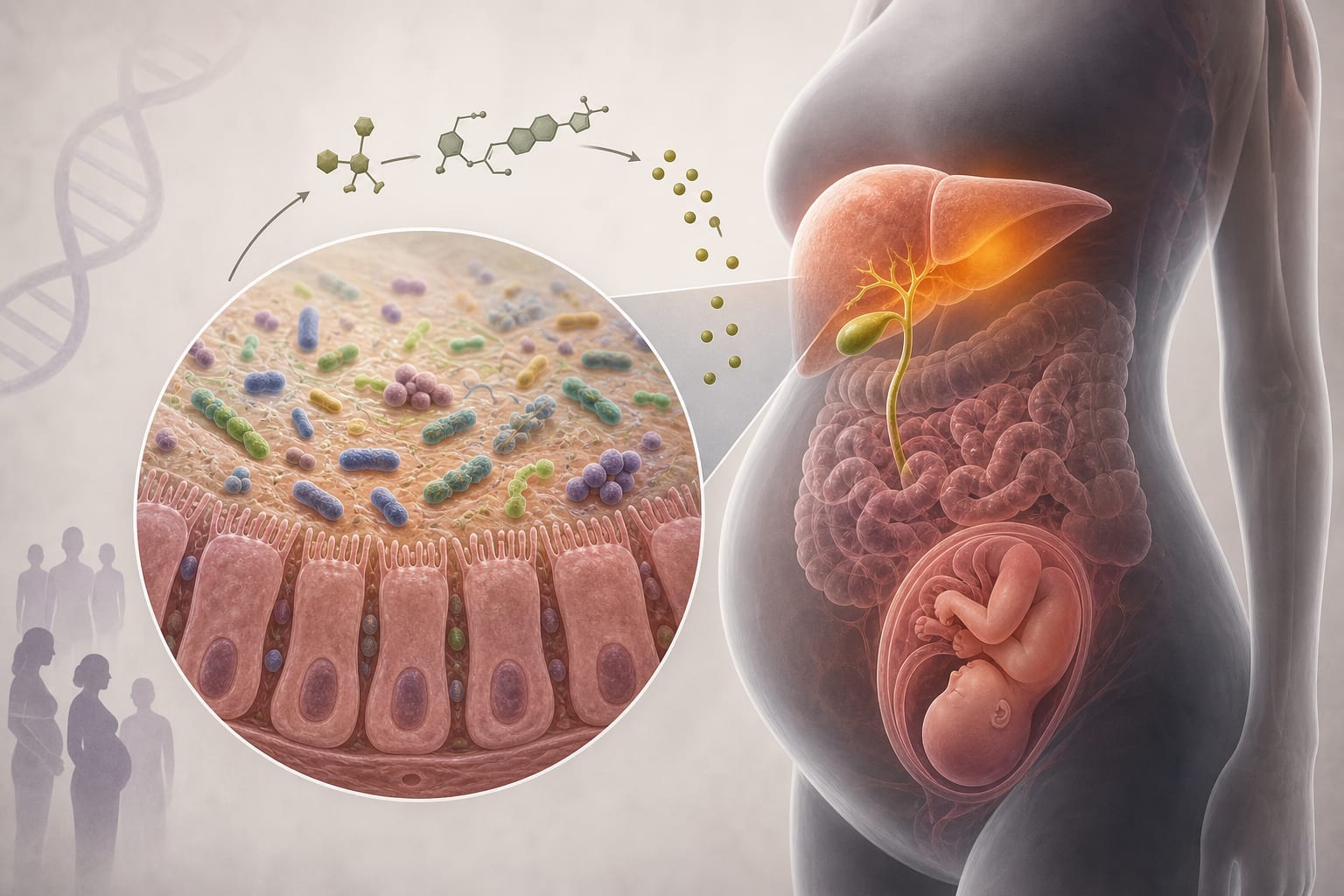
To examine the causal mechanisms through which gut microbiota dysbiosis might contribute to the pathogenesis of intrahepatic cholestasis of pregnancy (ICP) and its implications for therapeutic approaches, emphasizing the significance of this understanding.
Key Findings:
Dysbiosis in the gut microbiome has been implicated in various gastrointestinal and extraintestinal diseases, including ICP, with specific microbial taxa such as Lactobacillus and Bifidobacterium showing notable alterations.
Alterations in microbial taxa and depletion of certain bacteria involved in metabolic pathways have been observed in ICP.
The incidence of ICP varies significantly among different ethnic groups and geographical locations, ranging from 0.3% to 27.6%.
Risk factors for ICP include maternal age, body weight, prior use of oral contraceptives, multiple pregnancies, and genetic predispositions.
Interpretation:
The precise role of gut microbiome composition in the management and treatment of ICP is not fully understood, indicating a need for further investigation into specific microbial interactions and their clinical implications.
Limitations:
Current evidence on the gut microbiome's role in ICP is insufficient and lacks comprehensive reviews, particularly in longitudinal studies.
The complex pathomechanism of ICP is not fully elucidated, with gaps in understanding the interplay between genetic and environmental factors.
Conclusion:
Further investigation into microbial changes and molecular pathways could provide insights and identify potential pharmacological targets for ICP management, ultimately impacting clinical practice.
Achievable goals, activity tracking, and social support are among the strategies JAMA researchers recommend for patients with chronic medical conditions.