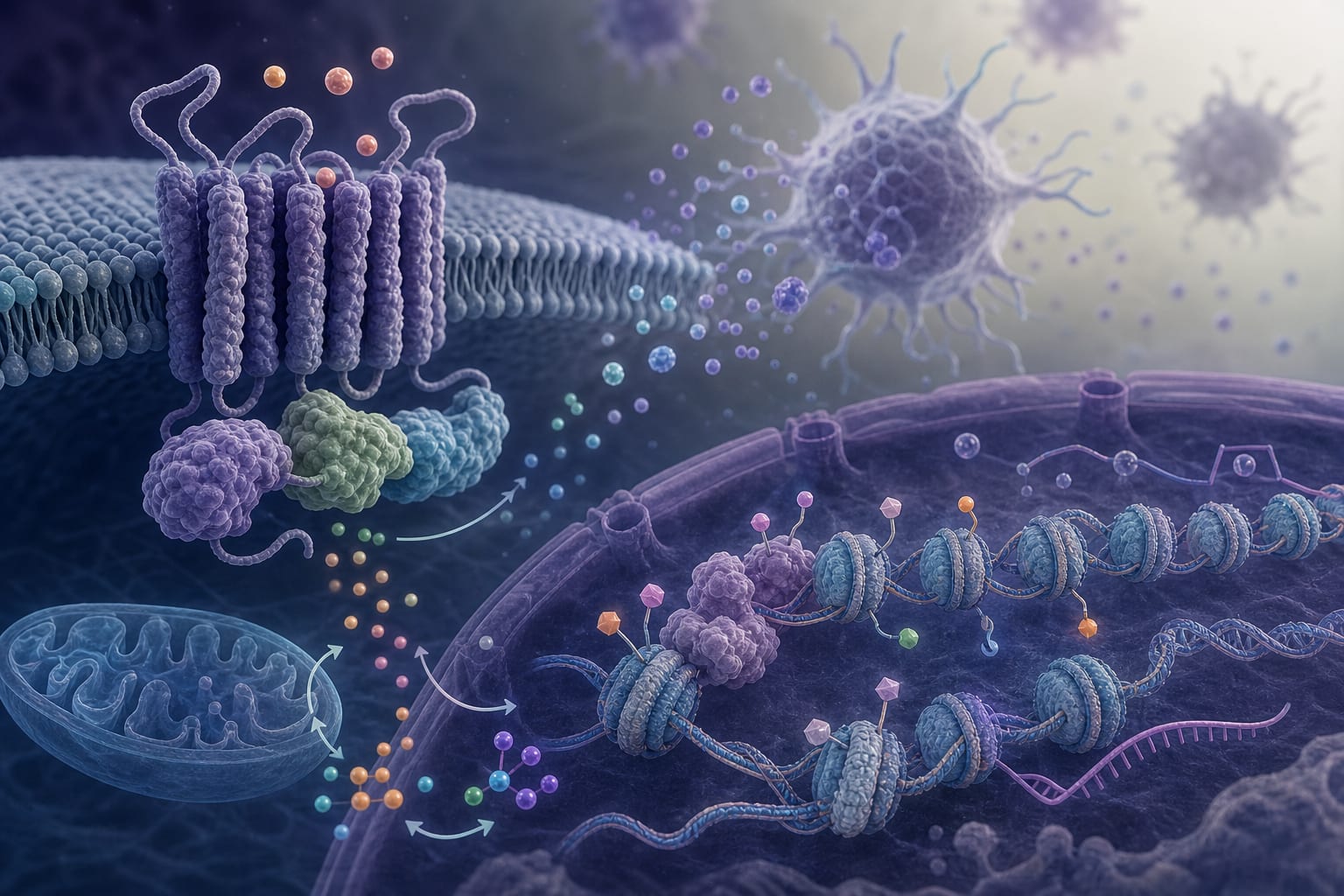
To synthesize mechanisms underlying inflammation-associated fatigue across various chronic inflammatory conditions, including ME/CFS, post-COVID syndrome, and autoimmune diseases, focusing on immunometabolism, GPCR signaling, and epigenetic modifications.
Key Findings:
Chronic fatigue is linked to inflammation-driven mechanisms across conditions like ME/CFS, post-COVID syndrome, and autoimmune diseases.
Metabolic dysfunction, including mitochondrial impairment and altered glycolysis, contributes to persistent fatigue.
GPCR signaling and epigenetic modifications play crucial roles in regulating immune and metabolic responses related to fatigue.
Evidence linking GPCR pathways to fatigue is primarily indirect, derived from cellular and animal studies rather than direct human evidence.
Interpretation:
The interplay between inflammation, metabolism, and immune signaling provides a comprehensive framework for understanding chronic fatigue, suggesting potential biomarkers and therapeutic targets that could guide future research.
Limitations:
Direct causal evidence in human fatigue syndromes remains limited, which may hinder the development of targeted therapies.
Much of the current understanding is based on indirect evidence from cellular and animal models, necessitating further validation in human studies.
Conclusion:
A multidimensional approach is essential for understanding chronic inflammation-driven fatigue, highlighting the need for further mechanistic and translational research to address existing gaps.
The nurse practitioner profession claims the No. 1 spot across three categories in the U.S. News & World Report 2026 Best Jobs rankings for the third consecutive year.