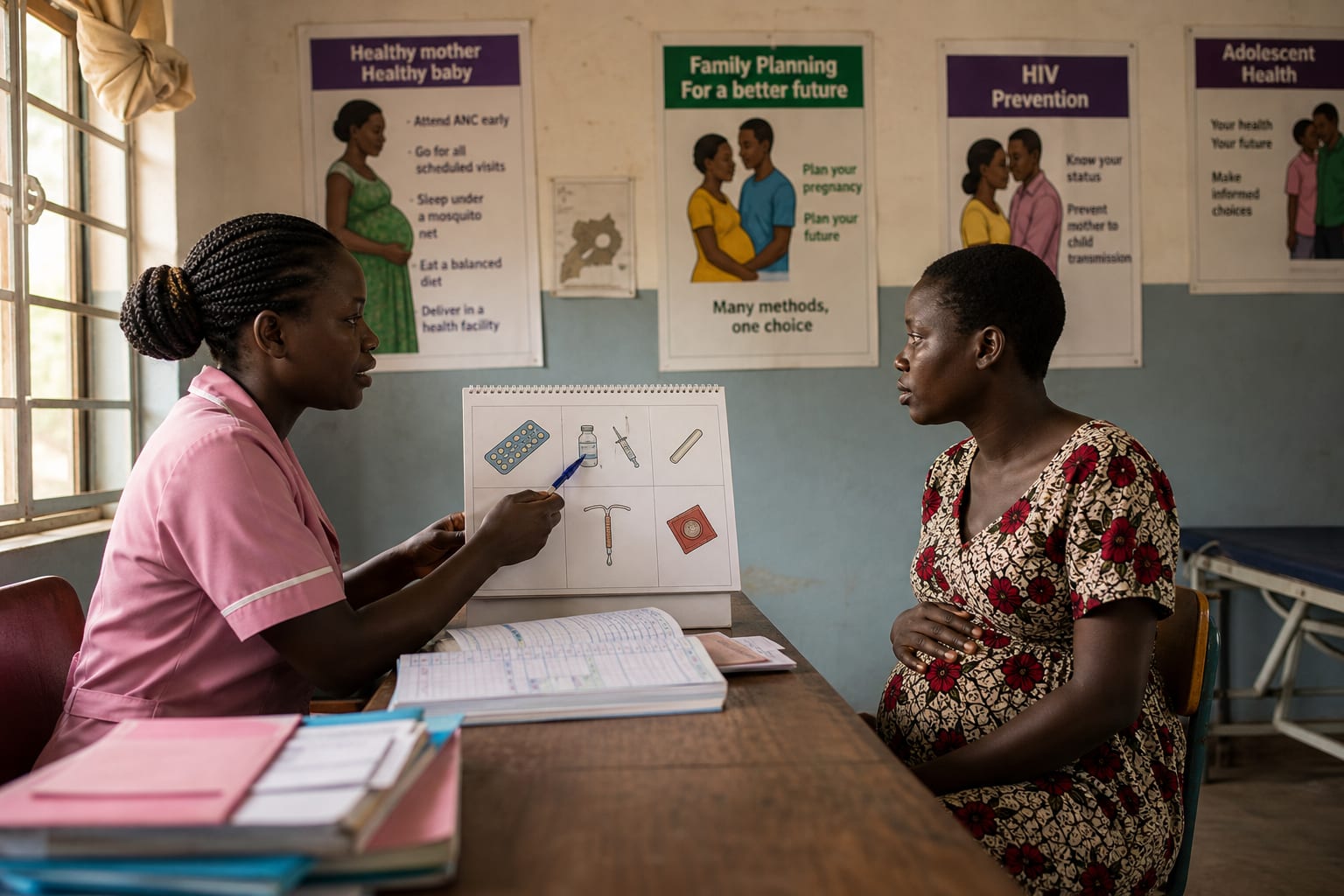
To detail a sustainable model for integrating IUD services into an independent student-run free clinic (SRFC) in Northern Illinois, emphasizing the critical need to address barriers to contraception access for uninsured populations.
Approach:
Key Findings:
Uninsured populations face high rates of unplanned pregnancy due to limited access to effective contraception, highlighting the urgent need for improved services.
LARC, such as IUDs, are highly effective but often inaccessible due to cost and lack of funding, necessitating innovative solutions.
The model demonstrates that independent SRFCs can successfully expand reproductive health services through community partnerships, potentially reducing unplanned pregnancies.
Interpretation:
The study illustrates a replicable framework for independent SRFCs to enhance contraceptive access for uninsured individuals, overcoming traditional barriers associated with hospital affiliations and funding, and suggesting broader applications for similar clinics.
Limitations:
The model's sustainability and effectiveness may vary in different community contexts, and ongoing evaluation is necessary.
The study does not quantify the barriers faced by patients in accessing external referrals prior to IUD service implementation, which could inform future improvements.
Conclusion:
The integration of IUD services into an independent SRFC provides a viable solution to improve contraceptive access for uninsured populations, serving as a model for similar clinics and emphasizing the importance of community partnerships.