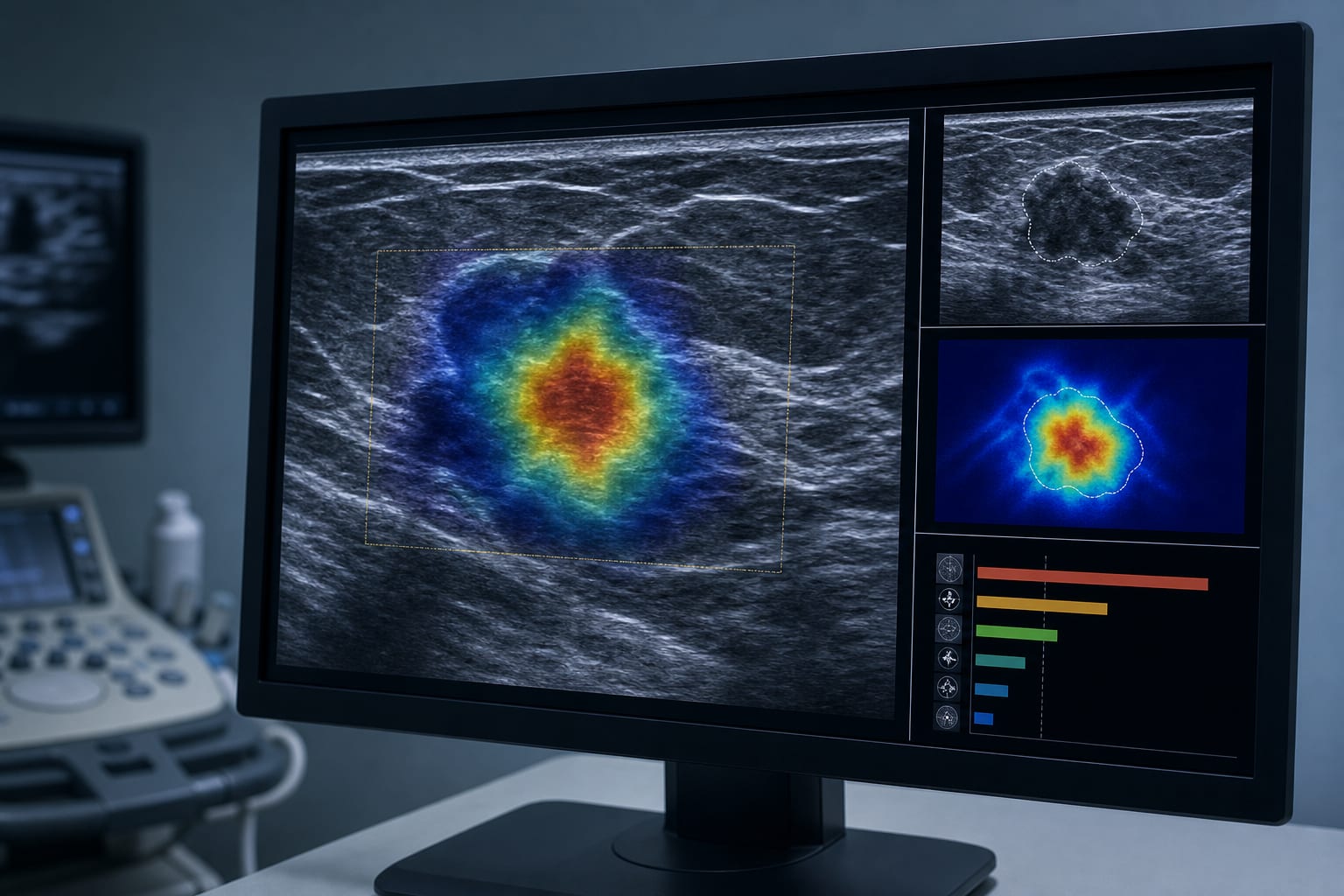
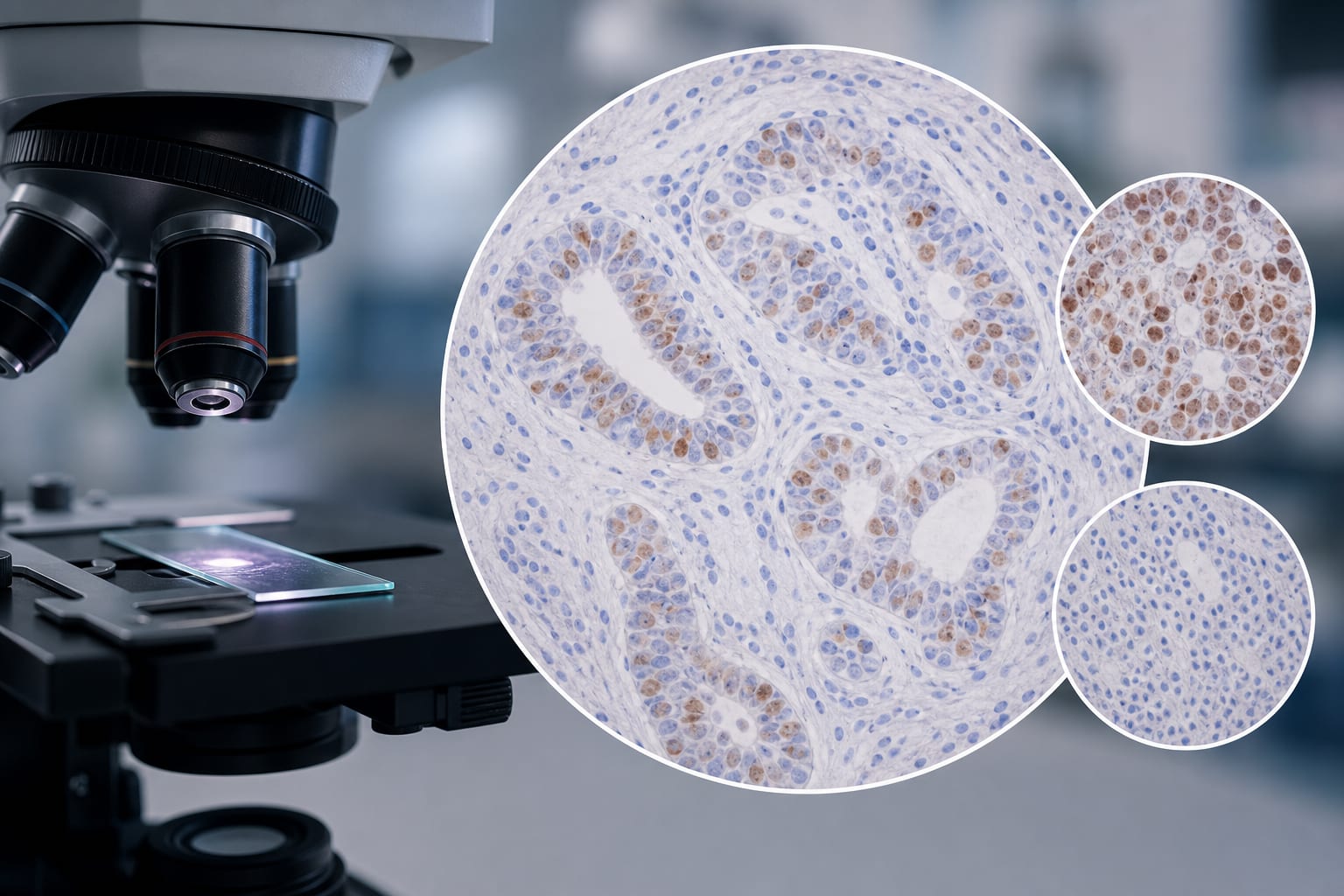
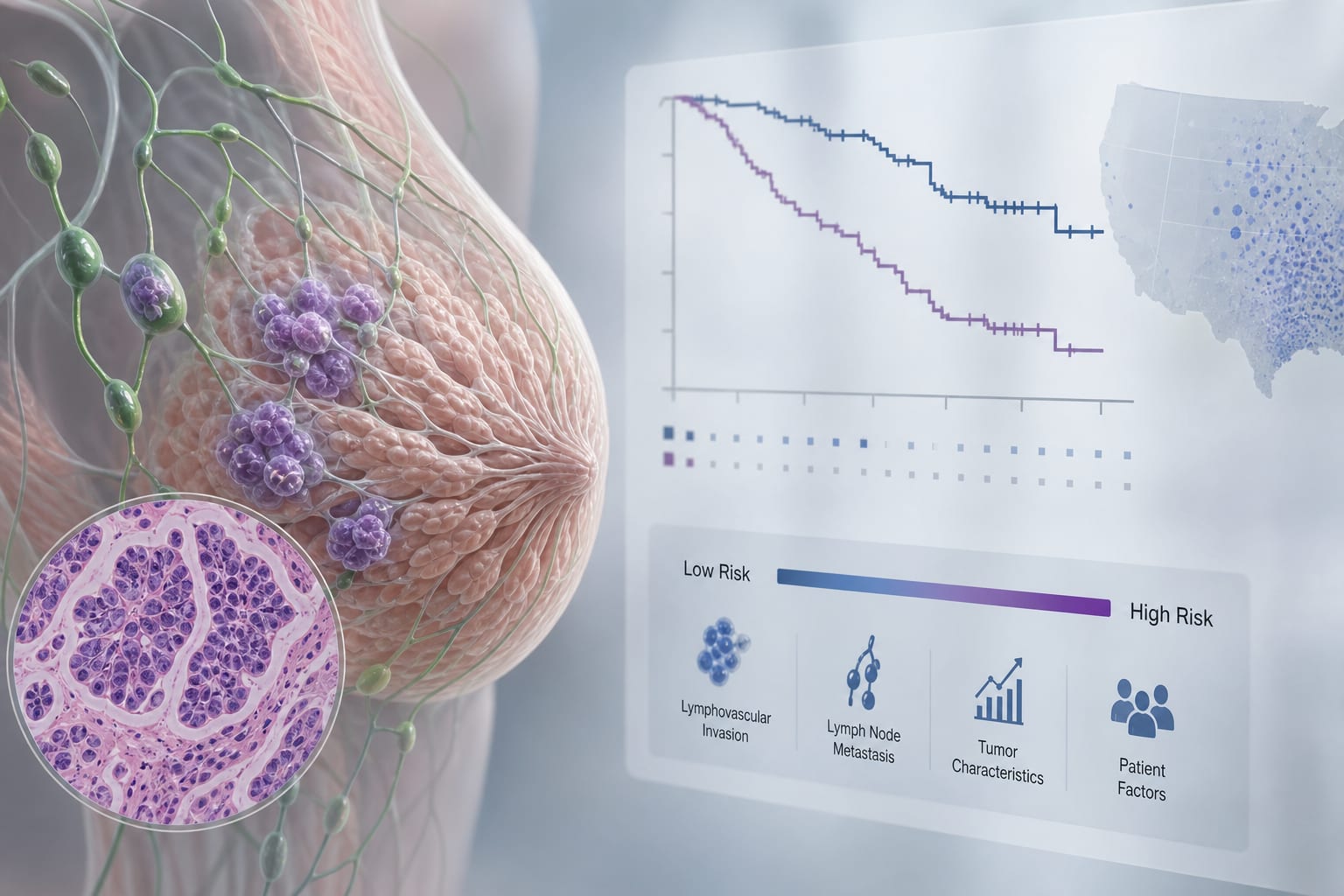
To summarize current developments in Explainable Artificial Intelligence (XAI) applied to ultrasound imaging for breast cancer diagnosis and identify significant obstacles.
Approach:
Key Findings:
Deep learning methods have significantly improved the automation of breast cancer detection and classification in ultrasound imaging.
The black-box nature of deep learning models poses challenges for clinical acceptance and reliability.
XAI methods like Grad-CAM, LIME, and SHAP can enhance the interpretability of these models.
Interpretation:
Limitations:
Lack of standardized evaluation metrics for XAI methods.
Limited clinical validation of XAI approaches.
Difficulty in interpreting explanations in noisy imaging conditions.