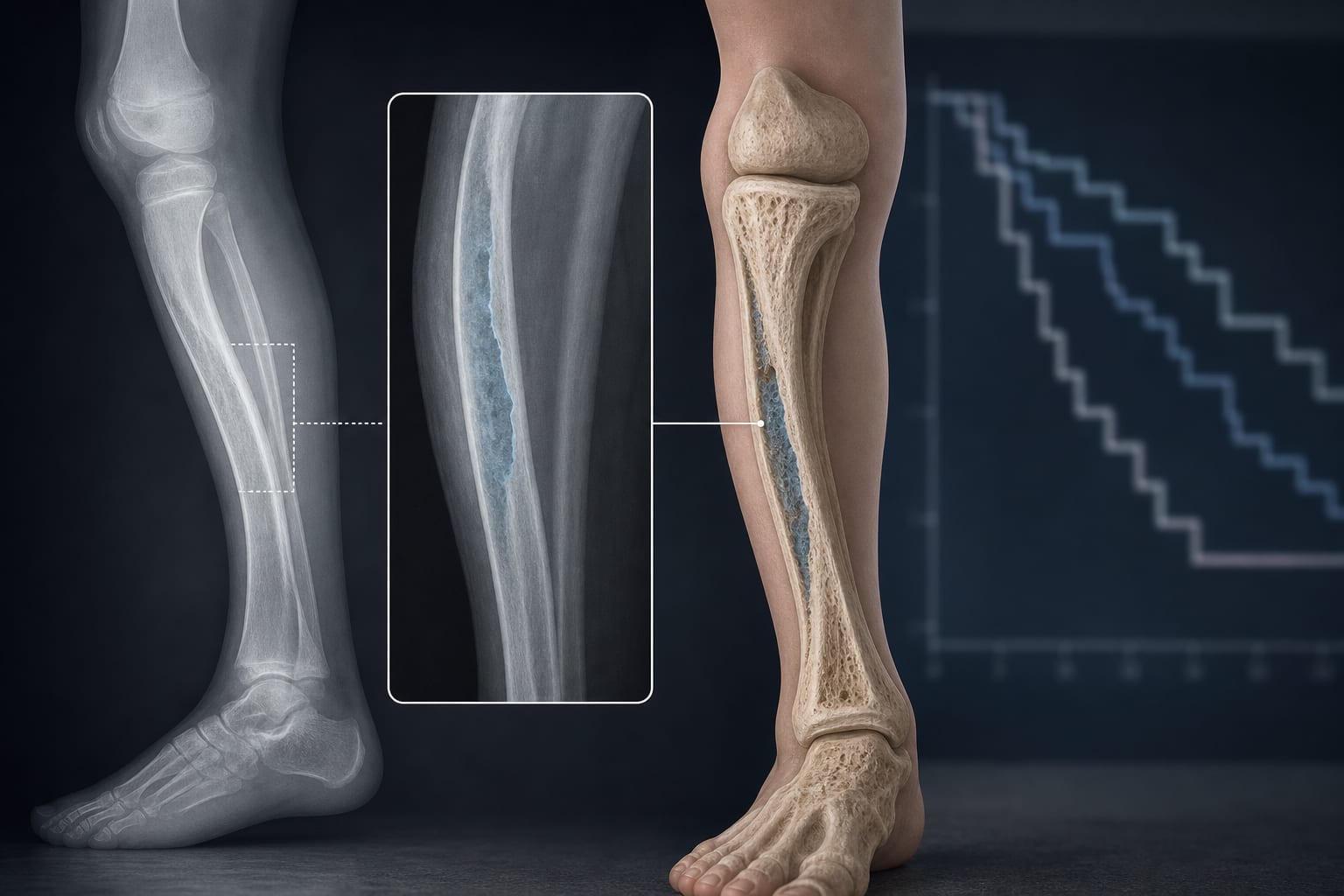
To determine whether dynamic fluctuations in serum ferritin below a critical threshold (30 ng/mL) independently predict antipsychotic treatment discontinuation in children with tic disorders, and to evaluate effect modification by antipsychotic class.
Approach:
Key Findings:
High-fluctuation patients had significantly higher discontinuation rates (60.3% vs. 24.0%; P < 0.001).
High ferritin fluctuation predicted a >2-fold discontinuation risk (HR = 2.24, 95% CI: 1.43–3.52; P < 0.001).
Subgroup analysis indicated a stronger association with typical antipsychotics (HR = 4.12, 95% CI: 2.12–8.38) compared to atypical agents (HR = 1.87, 95% CI: 0.93–3.76; P interaction = 0.021).
Baseline ferritin <30 ng/mL alone was non-predictive (HR = 1.18; P = 0.42).
Interpretation:
Dynamic ferritin fluctuations below 30 ng/mL independently predict antipsychotic discontinuation in pediatric tic disorders, particularly for users of typical antipsychotics.
Limitations:
Single-center study may limit generalizability.
Retrospective design may introduce bias in data collection.
Conclusion:
Serial ferritin monitoring may identify high-risk patients.