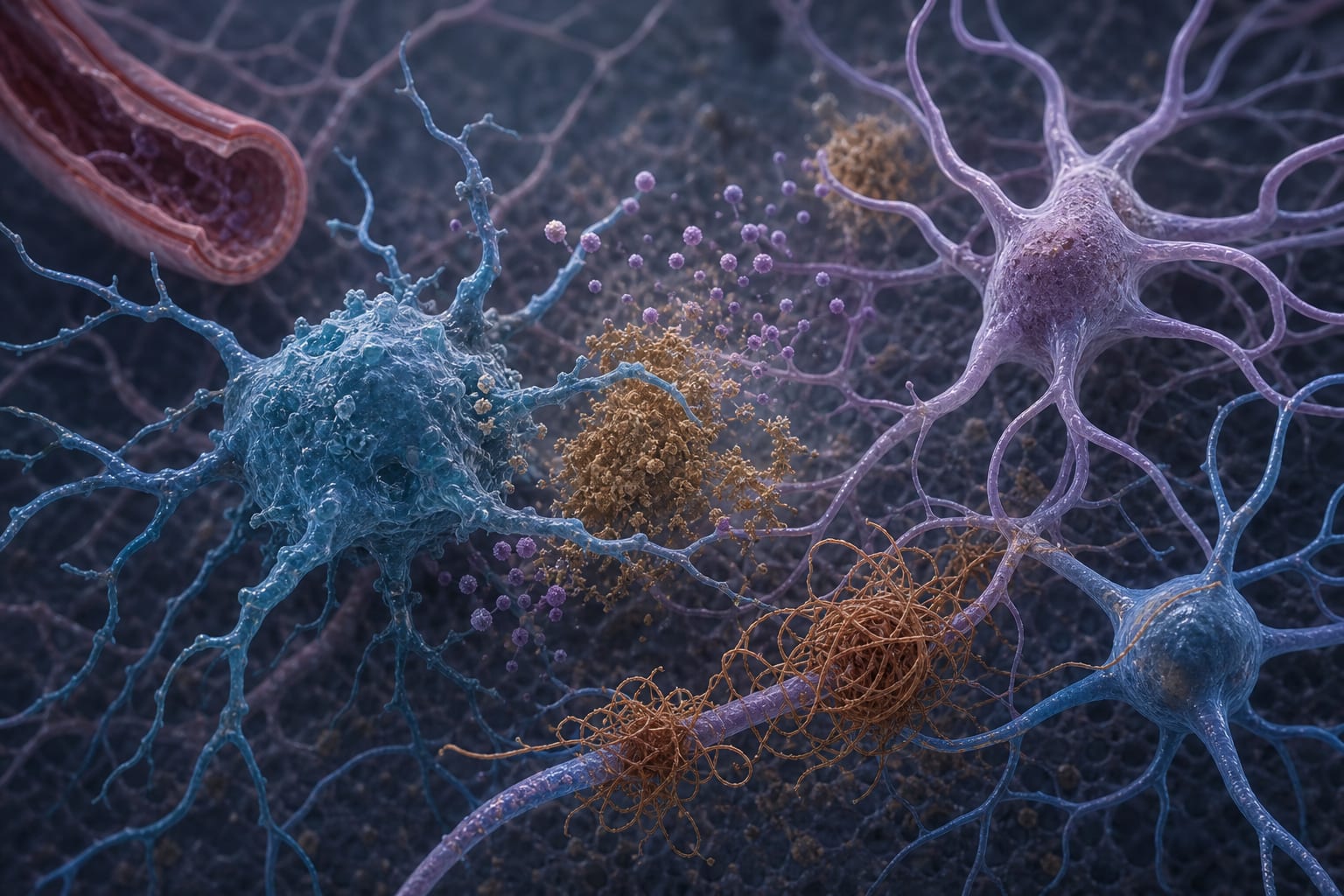
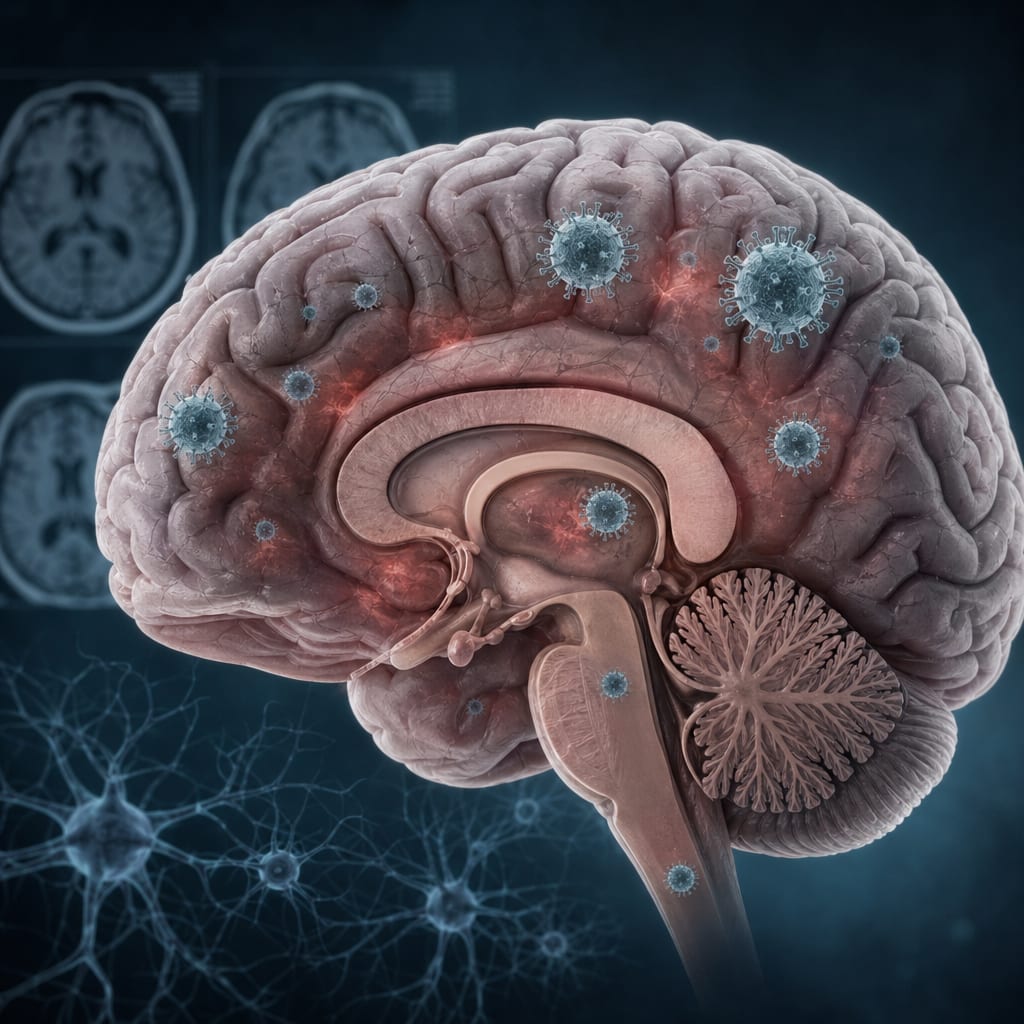
To provide a synthesis of neuroinflammation in Alzheimer's disease (AD), focusing on microglia and astrocytes, their interactions, and therapeutic considerations.
Key Findings:
Amyloid-targeting therapies show benefits that are limited by various factors.
Neuroinflammation is a context-dependent process that can be protective or maladaptive based on the review's findings.
Microglia and astrocytes play crucial roles in AD pathology through their responses to Aβ and tau as discussed in the review.
Interpretation:
The review highlights the importance of understanding glial states in AD without making unsupported claims about future strategies.
Limitations:
The review does not cover all immune-related mechanisms or potential anti-inflammatory interventions.
Focuses primarily on microglia and astrocytes, potentially overlooking other immune cells.
Conclusion:
Understanding the roles of glial cells in AD may inform future research directions regarding neuroinflammation.