SCO‑792 alleviates HFD‑aggravated chronic pancreatitis by modulating the gut–pancreas axis via the AMPK/ACC and TLR4/NF‑κB signaling pathways - Summary - MDSpire
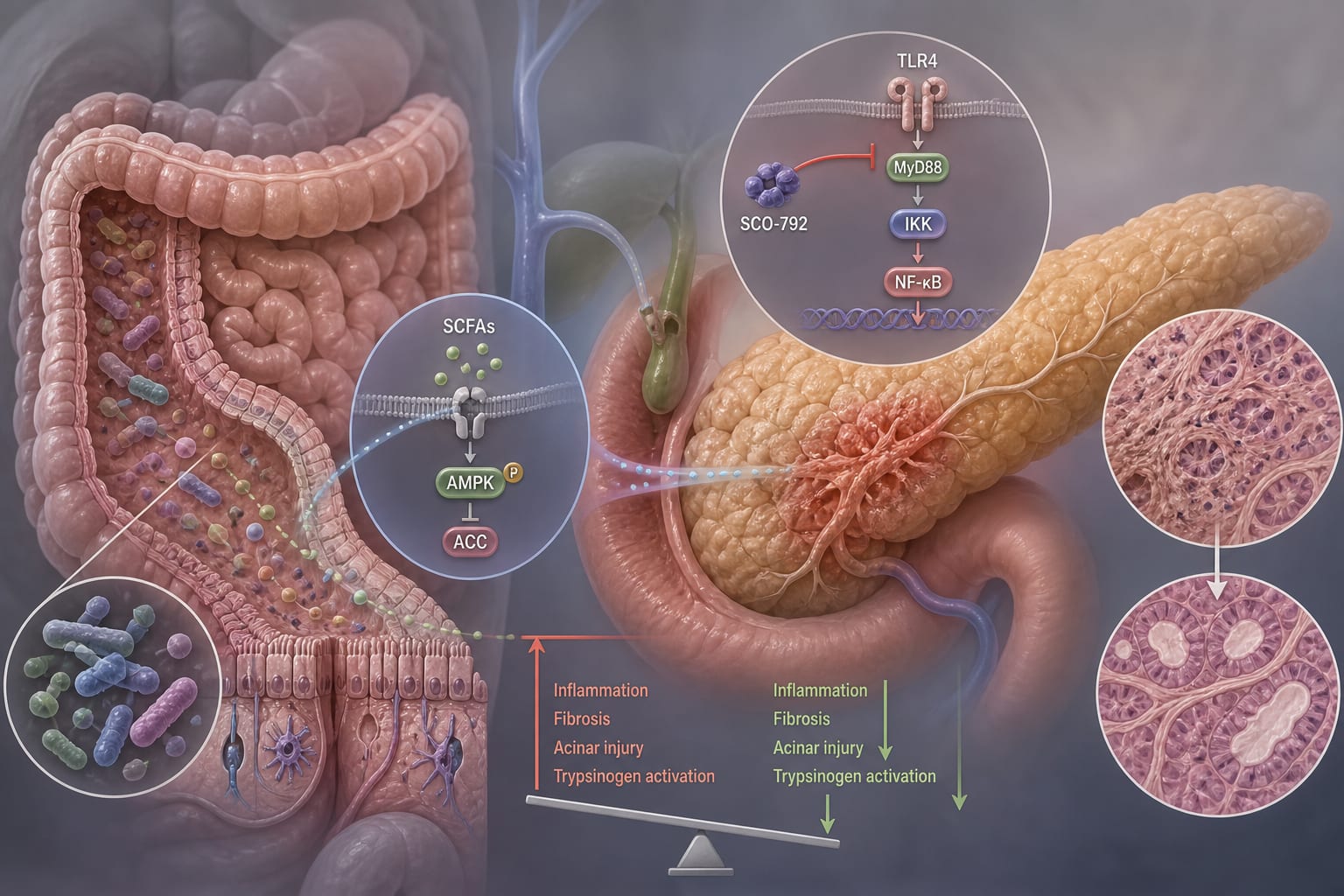
To evaluate the effects of SCO-792, a novel enteropeptidase inhibitor, in high-fat diet (HFD)-aggravated chronic pancreatitis (CP) and investigate the underlying mechanisms.
Approach:
Supplementation: The gut-pancreas axis was validated by supplementing animals with Akkermansia muciniphila and propionate, which were shown to influence gut health and metabolic processes.
Key Findings:
SCO-792 mitigated HFD-exacerbated pancreatic injury and fibrosis, evidenced by lower histological scores and reduced collagen accumulation.
SCO-792 maintained pancreatic lipid metabolic homeostasis through the AMPK/ACC pathway.
SCO-792 reconstituted gut microbial composition by increasing beneficial bacterial taxa and promoting SCFA production.
The goal of this clinical trial is to find out if giving extra adaptive radiation therapy after standard chemoradiation treatment is safe and helpful for people with rectal cancer.
The goal of this clinical trial is to learn if Adaptive Radiation Therapy (ART) is safe and effective in treating patients with locally advanced pancreatic cancer.