To systematically integrate the roles of exosomes in the pathogenesis of diabetic nephropathy and analyze the application evidence of exosome-derived biomarkers across various clinical functions.
Approach:
Pathogenesis Overview: Discusses the complex pathogenesis of diabetic kidney disease (DKD) involving metabolic abnormalities, chronic inflammation, oxidative stress, immune dysregulation, and fibrosis.
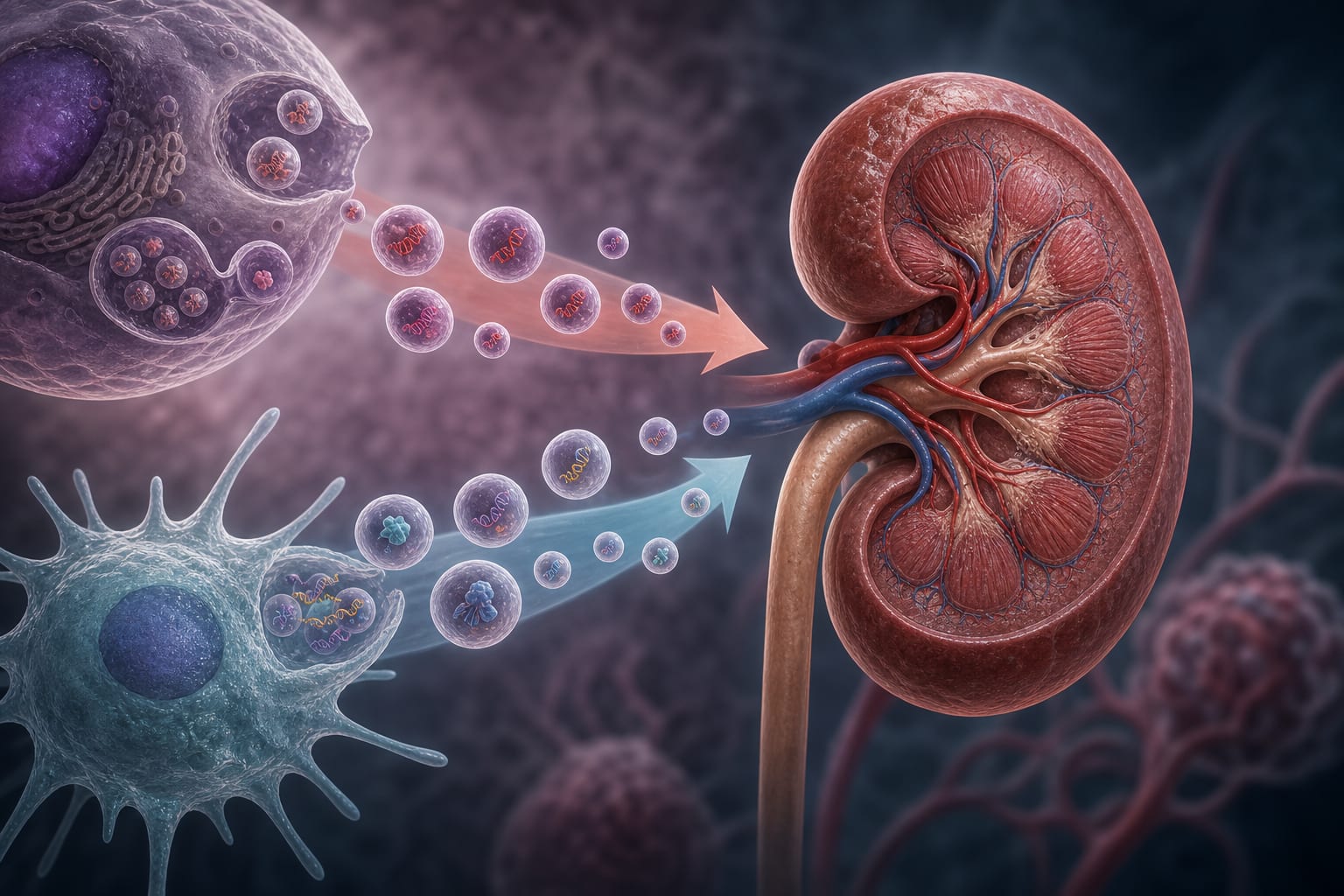
Exosome Functionality: Examines the dual role of exosomes in DKD as both pathogenic agents and potential therapeutic targets.
Research Gaps: Identifies key knowledge gaps and challenges in the clinical translation of exosome research, including the lack of standardized separation techniques and the need for large-scale validation.
Key Findings:
Exosomes derived from damaged kidney cells can transmit harmful substances that exacerbate kidney damage through inflammation and fibrosis.
Therapeutic exosomes derived from stem cells have the potential to protect and repair kidney tissues.
Current biomarker studies are limited by small sample sizes and lack multi-center validation.
Interpretation:
Exosomes play a dual role in DKD, acting as both agents of disease progression and potential therapeutic vehicles.
Limitations:
Absence of a 'gold standard' for exosome separation and purification techniques.
High heterogeneity of exosomes and their dynamic changes at various stages of DKD.
Challenges in the large-scale production and quality control of engineered exosomes.
Conclusion:
Research into the dual role of exosomes in DKD can elucidate mechanisms of disease progression and offer insights for developing biomarkers and targeted therapeutic strategies.