To review fertility preservation strategies for female leukemia patients, emphasizing the importance of addressing challenges and emerging approaches.
Key Findings:
Leukemia treatments are highly gonadotoxic, leading to long-term infertility and endocrine dysfunction in female survivors, necessitating urgent attention.
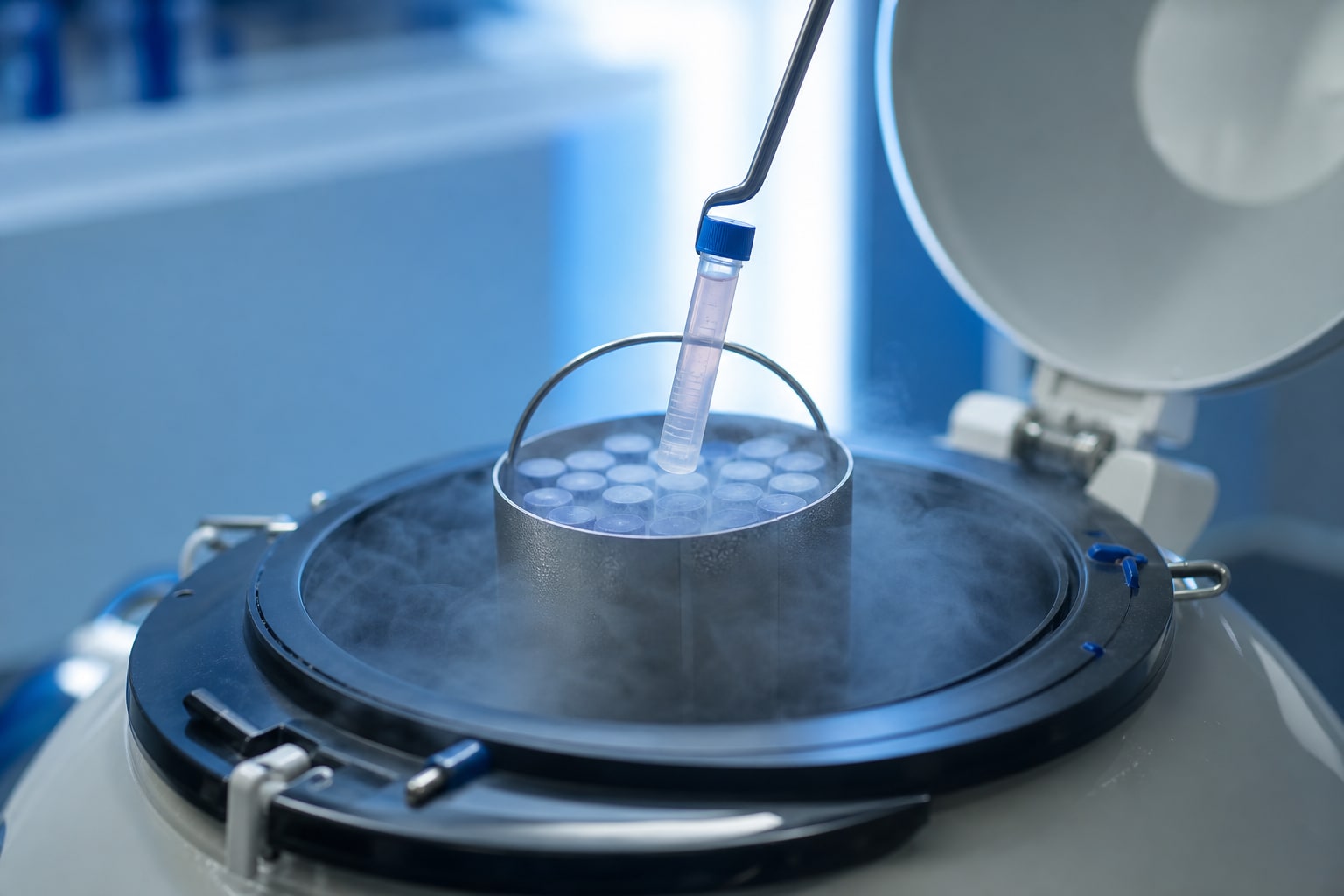
Ovarian tissue cryopreservation is the primary fertility preservation option for prepubertal girls, but carries significant risks of leukemic cell contamination.
Leukemic infiltration into ovarian tissue raises serious concerns about the integrity and function of reproductive tissues, impacting fertility preservation strategies.
Interpretation:
The review highlights the critical need for careful evaluation of fertility preservation methods in female leukemia patients due to the risks associated with leukemic infiltration and treatment-related gonadotoxicity, urging further research.
Limitations:
Controversy surrounding the safety of ovarian tissue cryopreservation due to potential leukemic cell contamination, which could affect patient decisions.
Limited options for fertility preservation in prepubertal girls, highlighting a significant gap in available strategies.
Conclusion:
The review synthesizes current knowledge and identifies critical gaps in understanding the impact of leukemia on female fertility, emphasizing the urgent need for improved strategies.
Dr. Eunice Wang reviews what plans and protocols are in place to keep our non-COVID-19 patients safe and continued on their treatment plan, while Dr. Brahm Segal discusses how we are managing therapies for our COVID-19 positive patients.
Morristown Medical Center now offers patients access to innovative clinical trials for immunotherapies including the use of Chimeric Antigen Receptor T Cells (CAR-T) and Tumor Infiltrating Lymphocytes (TIL).