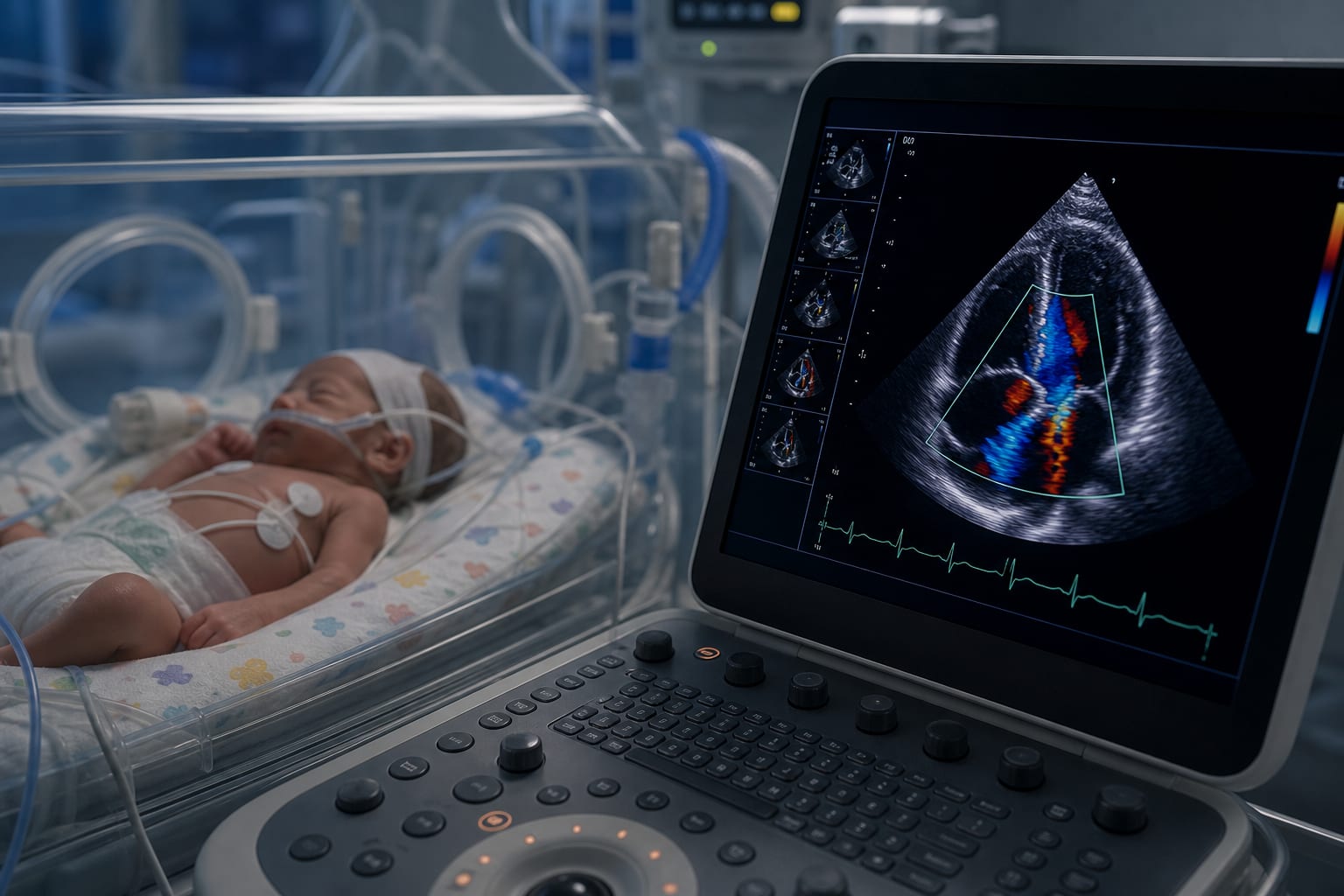
To provide an overview of the historical evolution of cardiac imaging technologies and their impact on cardiovascular therapeutics.
Approach:
Historical Overview: The editorial discusses the transition from bedside clinical examination to advanced imaging techniques in diagnosing and treating cardiovascular diseases, highlighting the significant milestones in this evolution.
Development of Imaging Techniques: It highlights the introduction of various imaging modalities, including angiography, computed tomography coronary angiography (CTA), and intravascular imaging, along with the methodologies developed for data processing and analysis.
Role of Artificial Intelligence: The editorial reviews the integration of AI in imaging analysis, particularly in enhancing image quality, expediting data analysis, and addressing challenges in clinical applications.
Key Findings:
Angiography became the reference standard for assessing coronary artery disease, as noted in studies by Mason Sones.
CTA has emerged as a non-invasive tool for evaluating coronary artery pathology, with methodologies developed to assess lesion severity.
AI-based solutions are being developed to improve imaging quality and treatment planning, as discussed in various reviews.
Interpretation:
The advancements in imaging technologies have significantly transformed the management of cardiovascular diseases, enabling more accurate diagnosis and treatment planning, as detailed in the editorial.
Limitations:
CTA has limitations in assessing plaque biology and inflammation, as highlighted in the review of Bajaj et al.
PET imaging faces challenges such as poor resolution and co-registration with CTA data, which are discussed in the source.
Conclusion:
The evolution of imaging modalities has played a crucial role in understanding cardiovascular diseases and enhancing therapeutic interventions, as emphasized throughout the editorial.