To summarize current knowledge of phage innate immune recognition, immunomodulatory effects, and implications for phage therapy, particularly in the context of rising antibiotic resistance.
Approach:
Key Findings:
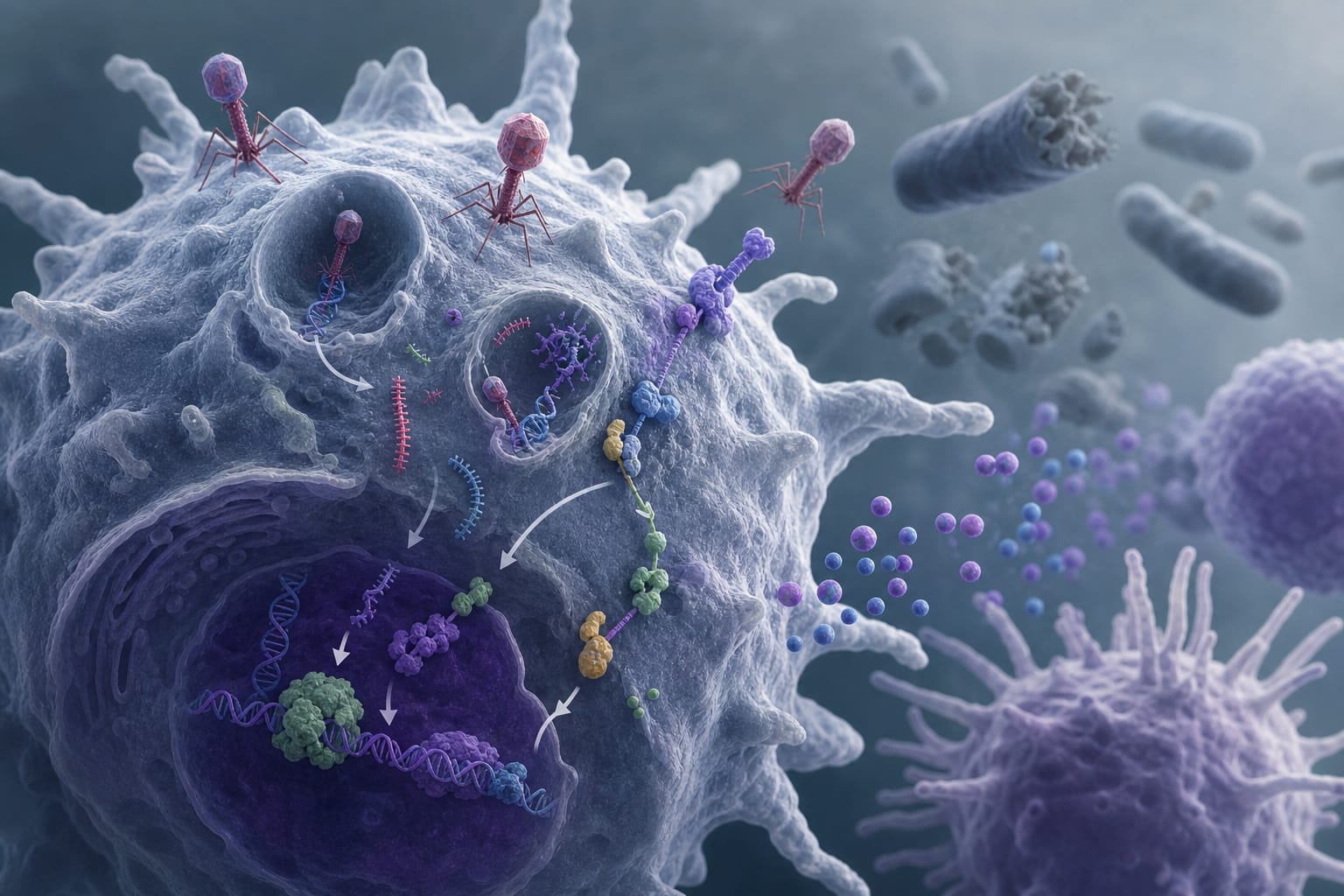
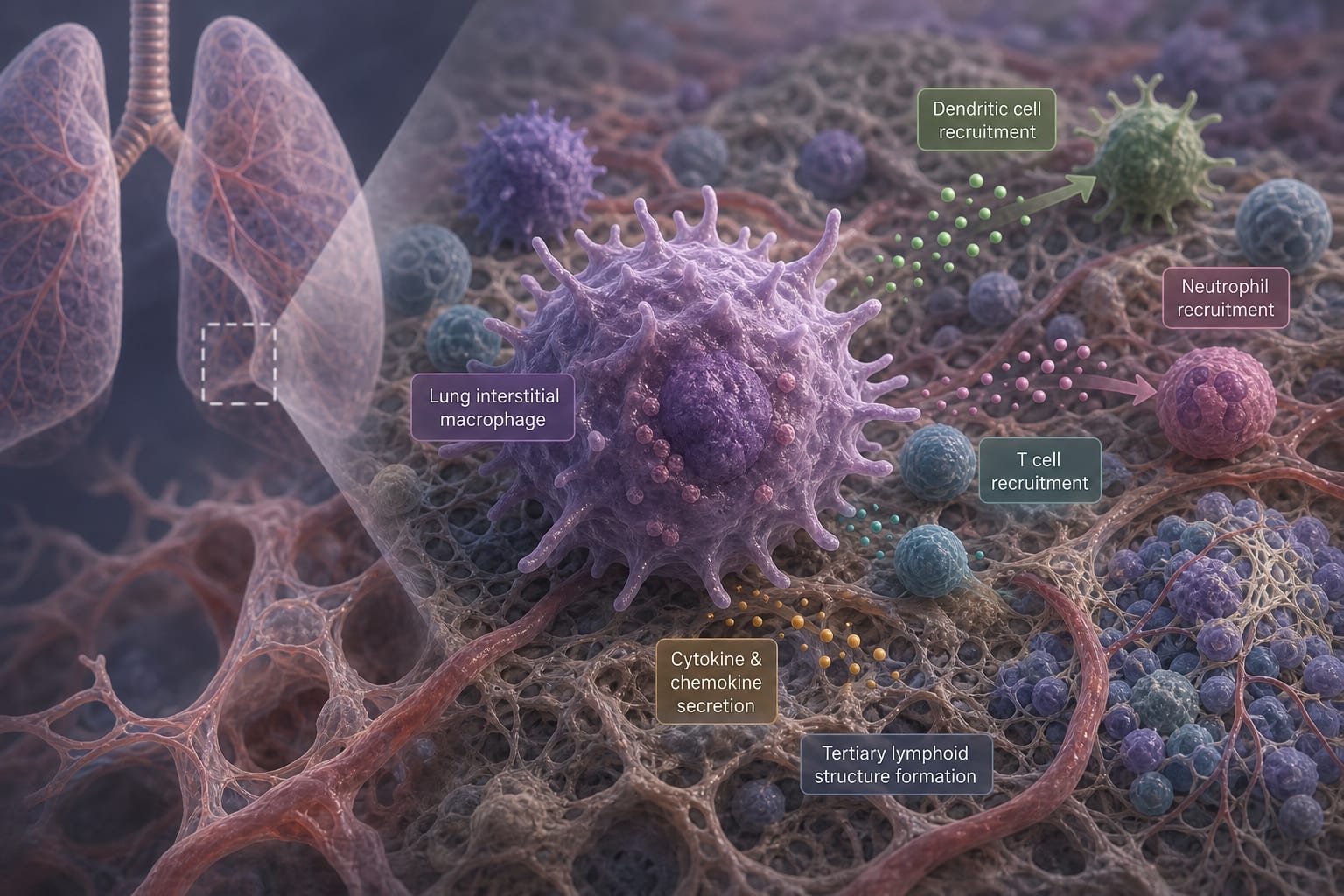
Phages interact with the host immune system, modulating innate immune responses, which can significantly impact treatment outcomes.
Phage components are recognized by PRRs, leading to activation or suppression of inflammatory pathways, with varying effects on infection resolution.
Phage-induced immunomodulation can influence infection outcomes positively or negatively, depending on the context of the immune response.
Interpretation:
A deeper understanding of phage–immune system interactions is essential for optimizing phage therapy and guiding future research directions.
Limitations:
Phage-mediated immune regulation may impair antibacterial immunity in certain contexts, such as in patients with compromised immune systems.
The precise mechanisms of phage modulation of the immune system remain unclear, necessitating further investigation.
Conclusion:
Understanding phage interactions with the immune system is crucial for developing effective phage therapies tailored to specific disease contexts and host immune responses.