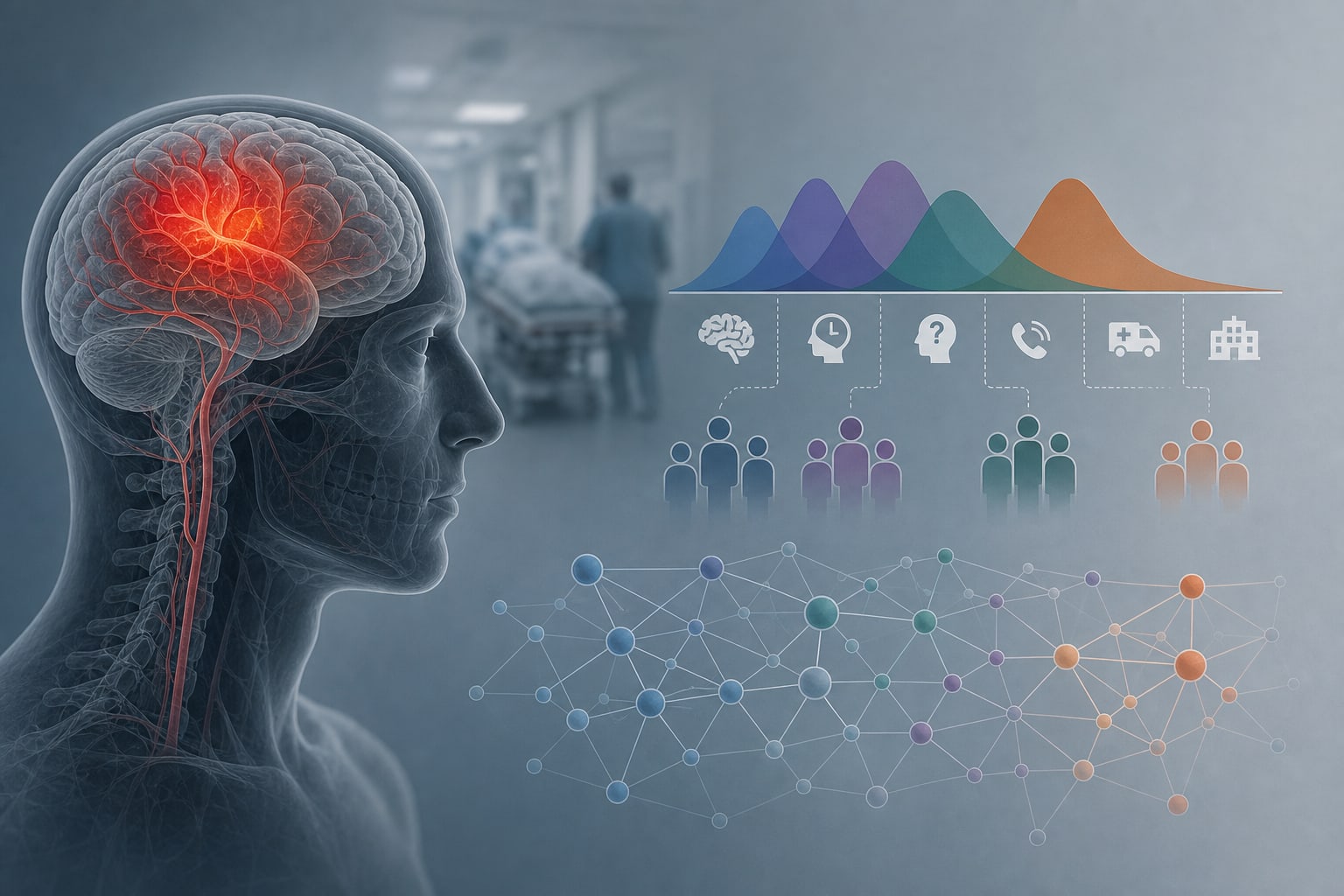
To analyze the available evidence on patients with spontaneous intracranial hypotension (SIH) presenting with an initial brain MRI without typical findings, comparing their features with MRI-positive cases and evaluating diagnostic and therapeutic outcomes.
Approach:
Search Strategy: A comprehensive search of PubMed/Medline, Web of Science, and Scopus was conducted to identify relevant studies, following PRISMA guidelines.
Eligibility Criteria: Included studies had to report on patients with SIH or CSF hypotension without typical brain MRI findings, be peer-reviewed, and provide original data on diagnosis, treatment, and outcomes.
Key Findings:
A substantial minority of patients with SIH may present with normal brain MRI findings.
Patients with MRI-negative SIH share core clinical symptoms with MRI-positive cases but often have longer symptom duration and higher recurrence rates.
Advanced imaging techniques such as CT myelography, MR myelography, and digital subtraction myelography are crucial for identifying occult CSF leaks.
Epidural blood patch treatment may provide clinical benefit in selected patients, while surgical repair of identified leaks can lead to significant clinical improvement.
Interpretation:
In patients with suggestive clinical presentations of SIH, the absence of typical brain MRI findings should not exclude the diagnosis, indicating the need for further diagnostic evaluation.
Limitations:
Variability in definitions of MRI negativity, imaging protocols, and diagnostic thresholds across studies may affect the interpretation of results.
The systematic review may not encompass all relevant studies due to exclusion criteria.
Conclusion:
Further diagnostic evaluation is essential for patients with clinical presentations suggestive of SIH, even in the absence of typical brain MRI findings.
by Marina Romozzi, Giuseppe Garignano, Valid Rastegar, Francesco Onorati, Catello Vollono, Federico Tosto, Masahito Katsuki, Yasuhiko Matsumori, Francesco Signorelli