To explore the role of serum inflammatory cytokines in the multifactorial pathophysiology, diagnosis, and treatment of depression.
Key Findings:
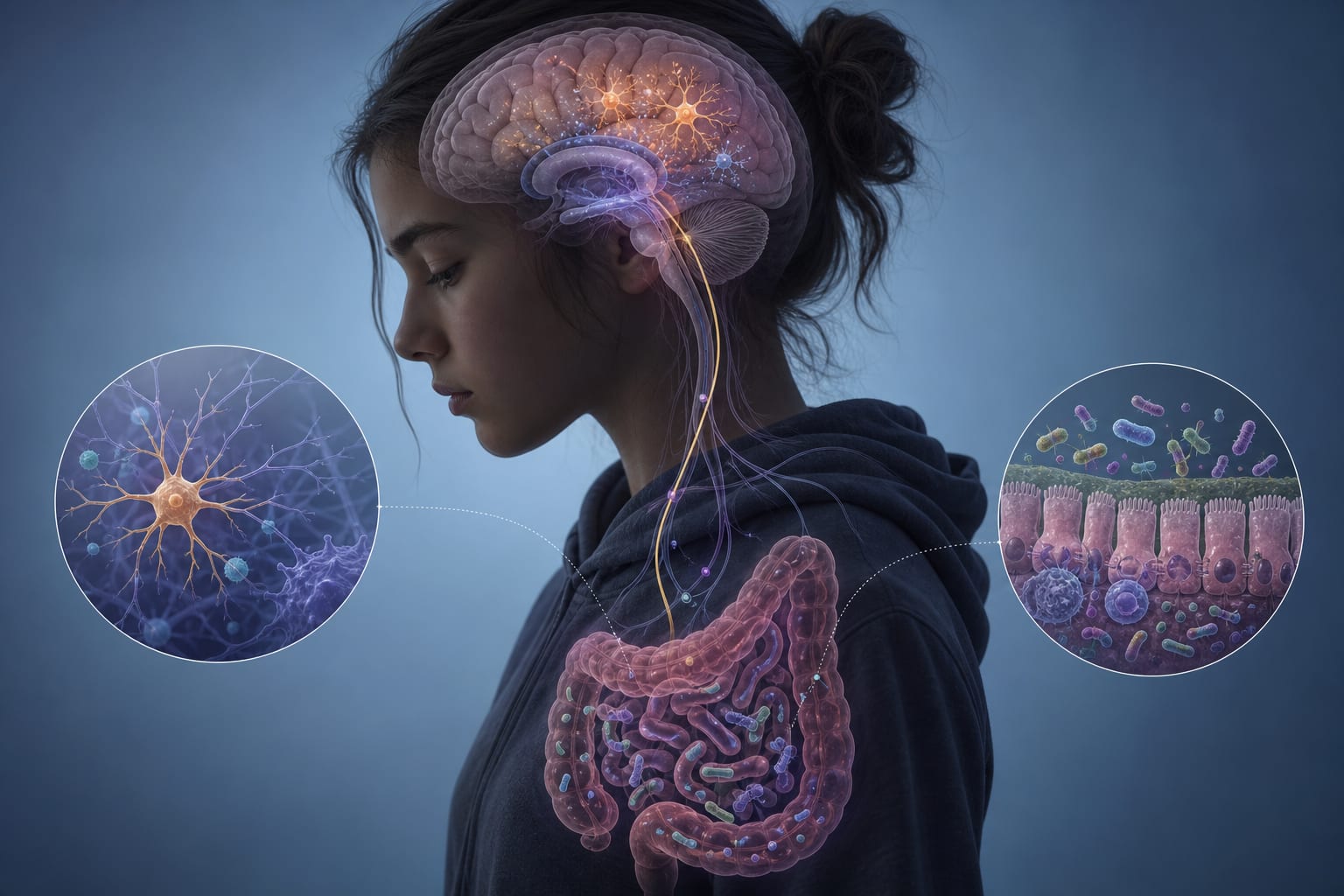
Serum inflammatory cytokines like IL-1β, IL-6, TNF-α, and C-reactive protein are linked to the initiation and progression of depression, highlighting the role of neuroinflammation.
Cytokines activate immune signaling pathways that disrupt neurotransmission and neuroplasticity, contributing to depressive symptoms.
Clinical studies correlate inflammatory cytokine levels with depression severity, cognitive impairment, and treatment resistance.
Anti-inflammatory treatments may enhance the efficacy of traditional antidepressants by targeting neuroinflammation.
Interpretation:
The findings suggest that inflammatory cytokines could serve as biomarkers for depression and potential therapeutic targets, indicating a need for precision medicine approaches in treatment, particularly in understanding individual responses.
Limitations:
The review primarily focuses on correlational data, which may not establish direct causation; further randomized controlled trials are needed to fully elucidate the mechanisms by which cytokines influence depression.
Conclusion:
Targeting inflammatory cytokines may improve treatment outcomes for depression, highlighting their significance in both diagnosis and management, and suggesting a need for further exploration in clinical settings.