To investigate the clinical utility of the QuantiFERON-TB Gold Test (QFT) in identifying patients with tuberculosis infection and detecting TB-associated uveitis in a context characterized by low endemicity of TB.
Approach:
Key Findings:
QFT has a sensitivity of 62-95% and specificity of 92-100% for detecting prior exposure to Mycobacterium tuberculosis, highlighting its clinical relevance.
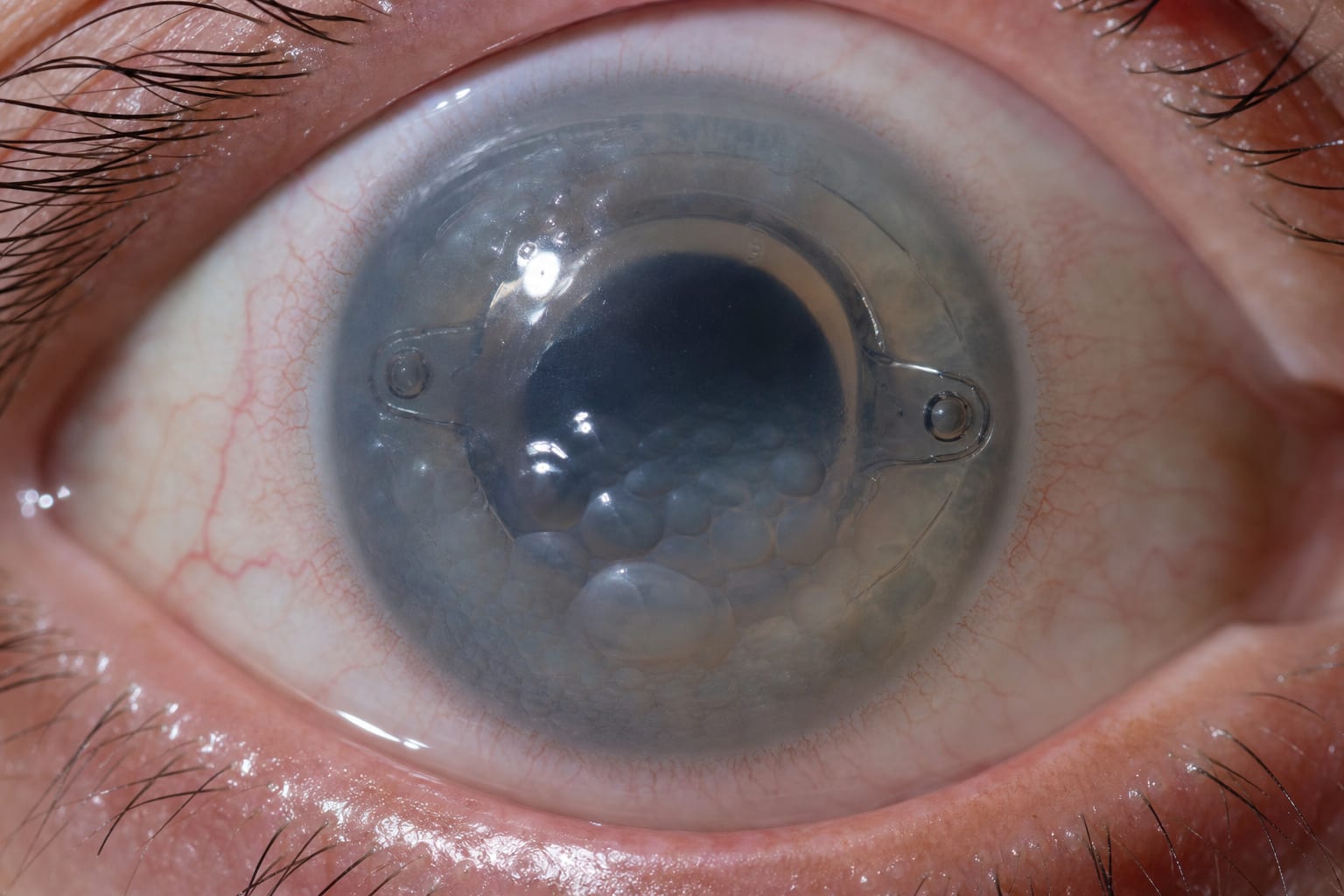
Tubercular uveitis can present with various phenotypes and may occur in patients with both tuberculosis disease and those with immune-mediated responses, indicating the need for careful diagnosis.
Routine TB screening is recommended for all uveitis patients, especially those on immunosuppressive therapies, to prevent TB reactivation.
Interpretation:
The QFT test is a valuable tool in diagnosing tubercular uveitis and identifying patients at risk of TB reactivation, particularly in non-endemic areas, reinforcing the need for its routine use.
Limitations:
The study is retrospective and may be subject to selection bias, which could influence the generalizability of the findings.
The reliance on QFT does not differentiate between active TB disease and latent infection, which may impact treatment decisions.
Conclusion:
The QuantiFERON-TB Gold Test is effective in diagnosing tubercular uveitis and should be routinely used in uveitis patients, especially those receiving immunosuppressive treatment.