To critically evaluate ketamine’s therapeutic potential for substance use disorders (SUDs) while examining its neurobiological mechanisms, clinical efficacy, and risk of misuse.
Approach:
Review Methodology: A structured narrative review conducted in accordance with the SANRA framework using databases such as PubMed, Scopus, PsycINFO, and Web of Science, covering literature published until March 2026.
Key Findings:
Ketamine combined with psychotherapy has shown promising reductions in craving and increases in abstinent days in small-to-moderate Phase 2 trials for alcohol and cocaine use disorders.
Variability in dosing strategies, comparator conditions, and follow-up periods limits the generalizability of findings.
Effects on relapse prevention are inconsistent and less reliably positive.
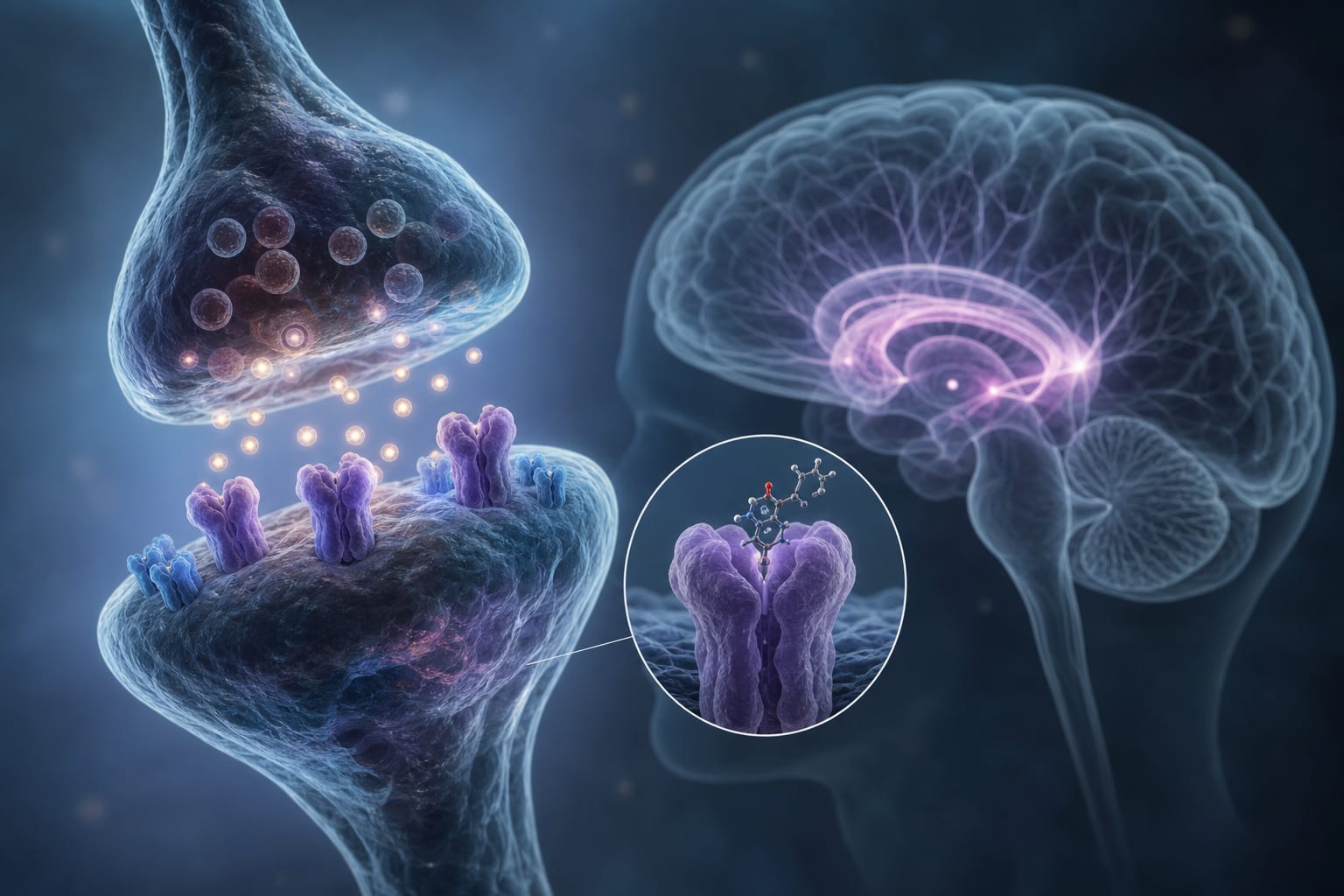
Ketamine promotes synaptic plasticity via NMDA receptor antagonism and downstream glutamatergic signaling.
There is a well-established risk of misuse associated with ketamine, particularly in unsupervised or high-dose settings.
Interpretation:
Ketamine represents a promising but experimental intervention for refractory depression and selected SUDs, requiring careful patient selection and structured delivery.
Limitations:
Lack of larger-scale trials and long-term safety data.
Variability in study designs and methodologies across the literature.
Conclusion:
Ketamine may redefine treatment paradigms for TRD and addiction, but further research is essential to define its role within psychiatric and addiction treatment frameworks.
A systematic review and meta-analysis found small, consistent reductions in craving across substance use disorders, while evidence for withdrawal symptoms and substance dependence remained limited.