A triple-layer, autograft-free reconstruction strategy for skull base repair after standard endoscopic endonasal resection of pituitary adenomas - Summary - MDSpire
Advertisement
A triple-layer, autograft-free reconstruction strategy for skull base repair after standard endoscopic endonasal resection of pituitary adenomas
To evaluate the efficacy of a simple, triple-layer reconstruction strategy for preventing CSF rhinorrhea following the standard EEA for pituitary adenomas.
Approach:
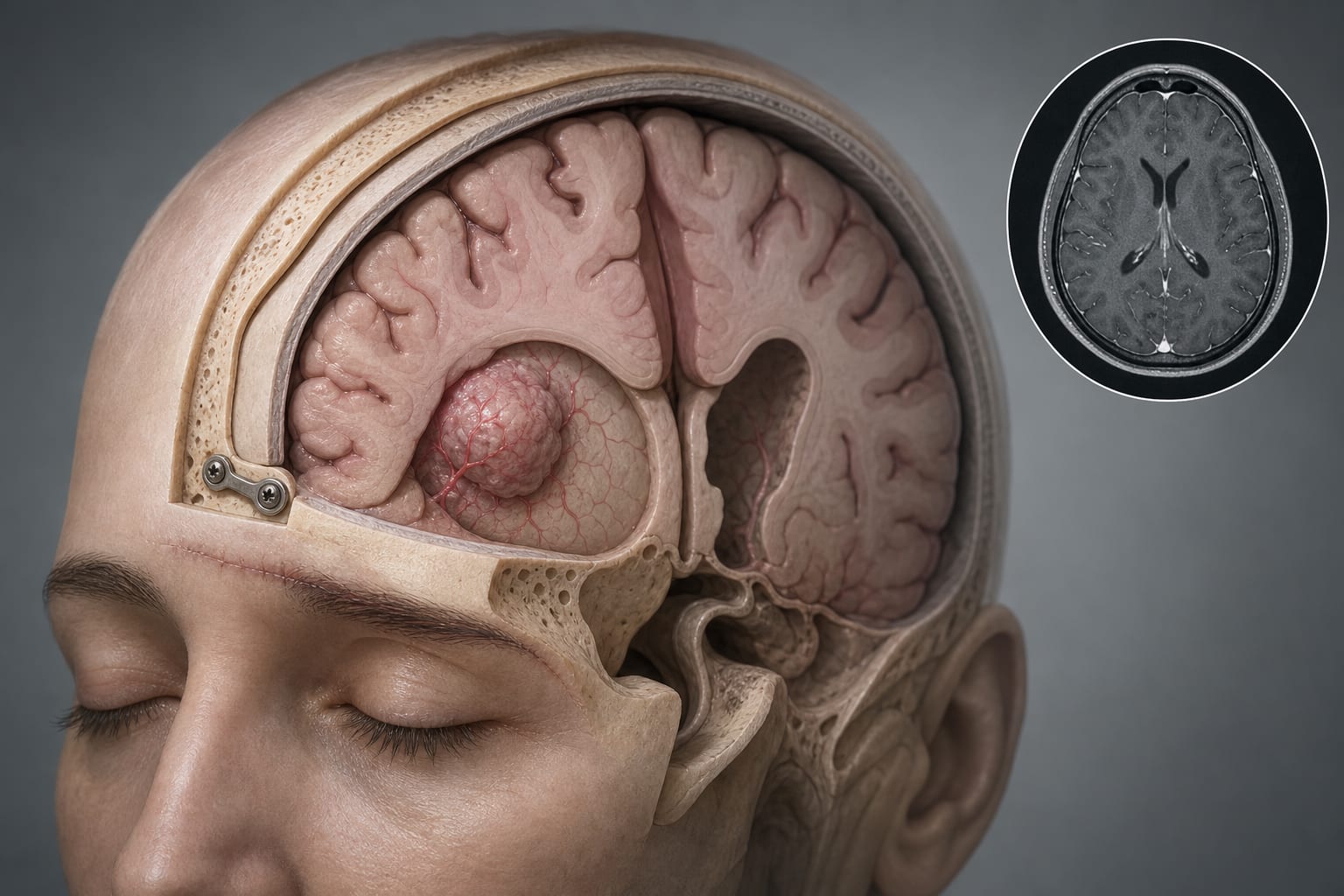
Study Design: Retrospective analysis of 213 patients who underwent standard EEA for primary pituitary adenomas from January 2023 to March 2025.
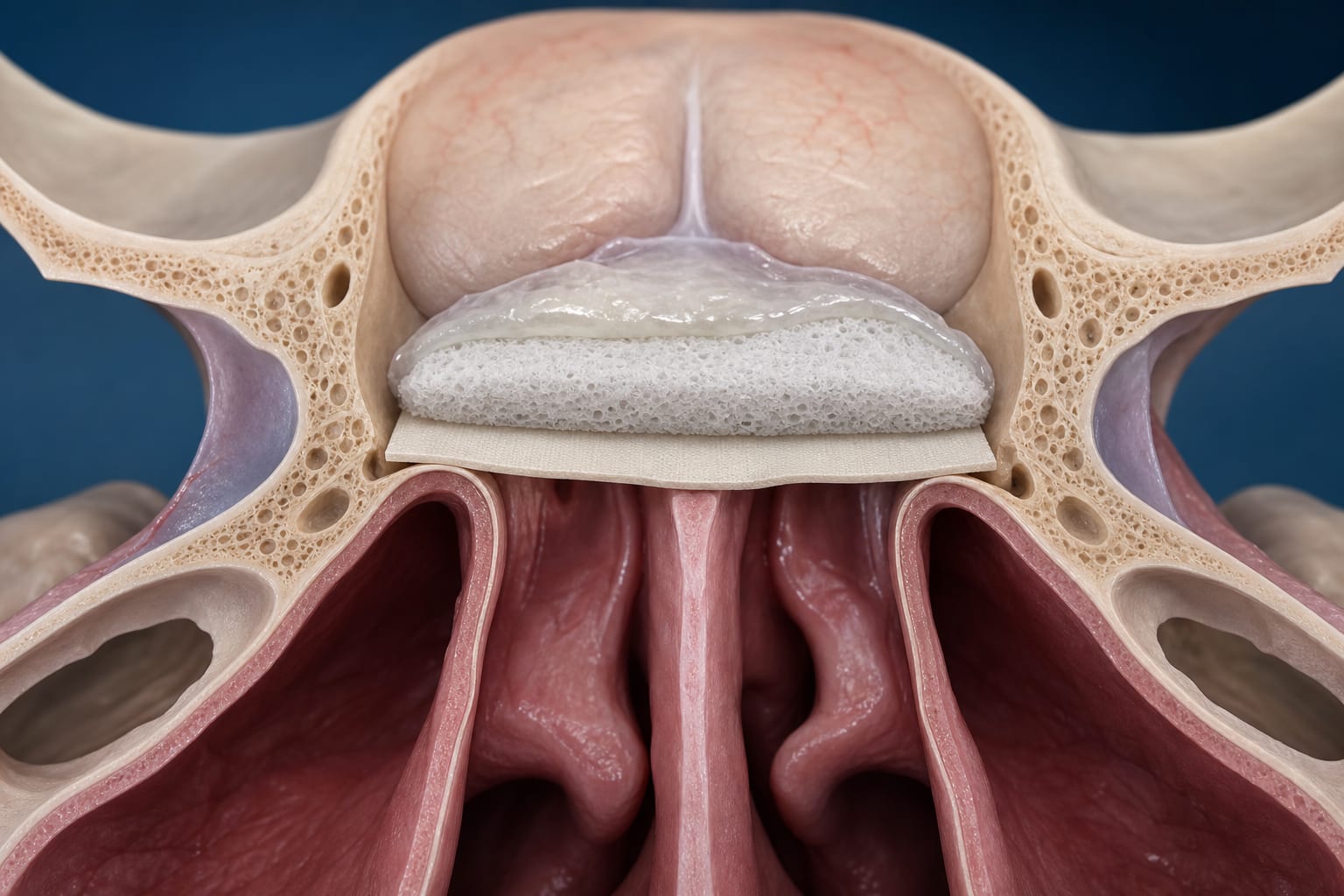
Reconstruction Technique: Involved artificial dura mater placement, gelatin sponge packing, and porcine fibrin sealant sealing, without autograft harvesting.
Outcome Measures: Postoperative outcomes including CSF rhinorrhea, meningitis, and subjective olfactory changes were recorded during at least three months of follow-up.
Key Findings:
Intraoperative CSF leakage occurred in 97 patients (45.54%).
Postoperative CSF rhinorrhea developed in 3 of 213 patients (1.41%).
Among patients with intraoperative CSF leakage, the postoperative leak rate was 3.1%.
No postoperative CSF rhinorrhea was observed among patients with Grade 3 intraoperative leaks.
Meningitis occurred in 4 patients (1.88%), with two also having CSF rhinorrhea.
Postoperative hyposmia was reported by 2 patients (0.94%), both of whom recovered normal olfaction by 6 months.
Interpretation:
The triple-layer reconstruction strategy was associated with a low postoperative CSF leak rate following standard EEA for primary pituitary adenomas.
Limitations:
The study is retrospective and lacks a control group.
Findings are preliminary and require confirmation in prospective, controlled studies.
Conclusion:
The technique avoided autograft harvest and donor-site morbidity.