To summarize current evidence on the mechanisms, clinical efficacy, and biomarker-driven strategies for neoadjuvant immunotherapy in non-small cell lung cancer (NSCLC), highlighting its significance in improving patient outcomes.
Approach:
Key Findings:
Neoadjuvant immunotherapy can enhance long-term survival in NSCLC patients, with studies showing a significant percentage of patients achieving major pathological response.
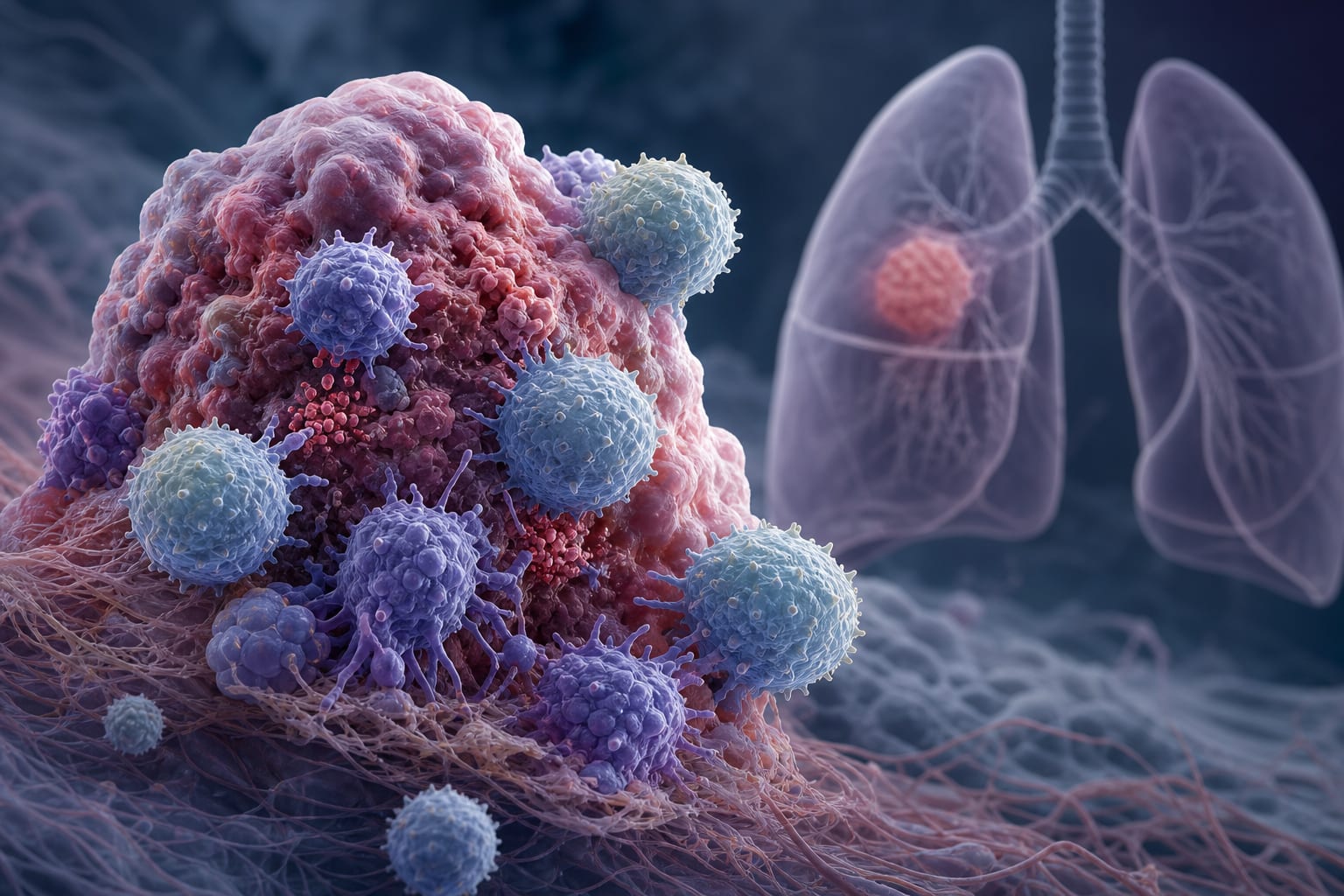
ICIs demonstrate efficacy in restoring anti-tumor immunity and promoting T cell activation, with specific data supporting these outcomes.
Combination therapies show improved outcomes compared to monotherapy, as evidenced by clinical trial results.
Interpretation:
Neoadjuvant immunotherapy represents a promising approach to improve treatment outcomes in NSCLC by leveraging the immune system's response to tumors.
Limitations:
The review does not address specific challenges in implementing neoadjuvant immunotherapy in clinical practice, such as patient selection and treatment accessibility.
Further research is needed to validate the predictive biomarkers for patient selection and to explore the long-term effects of neoadjuvant immunotherapy.
Conclusion:
Neoadjuvant immunotherapy has the potential to significantly improve outcomes in NSCLC, warranting further investigation into its mechanisms and clinical applications.