To examine individual variations in symptom emphasis and their influence on treatment responsiveness in Mal de Débarquement Syndrome (MdDS).
Approach:
Key Findings:
Many symptoms correlated with the overall severity rating, but even those that showed strong correlation among many subjects, such as dizziness, fatigue, and brain fog, were endorsed variably across subjects.
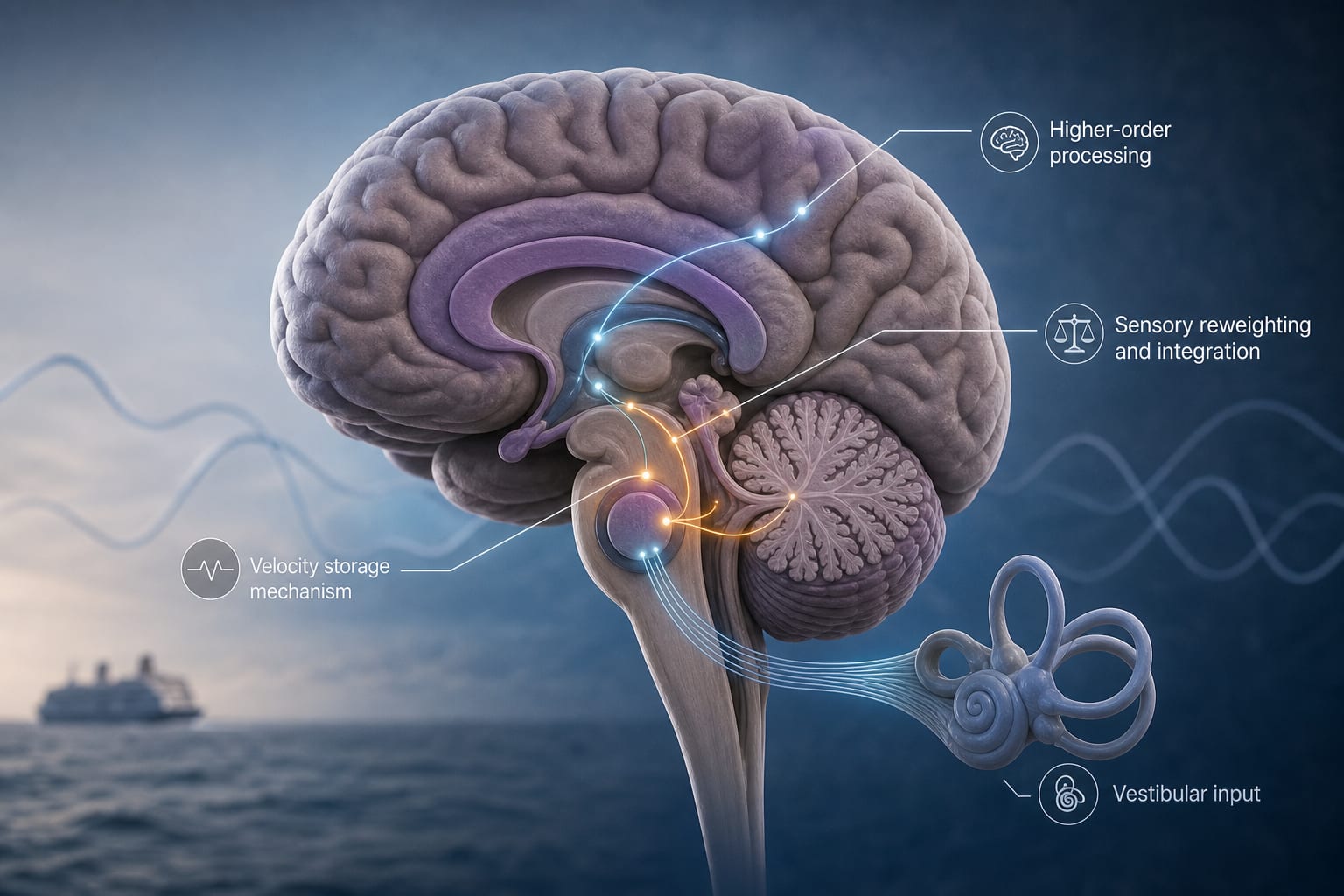
A moderate unfavorable dependence on visual sensitivity was found for the responsiveness to the velocity storage attenuation treatment, which distinguished the two treatment approaches.
Interpretation:
Individual variations in symptom presentation may influence the choice of treatment approach for MdDS.
Limitations:
The subjective nature of symptom assessment complicates the evaluation of treatment efficacy.
Variability in symptom emphasis among patients may affect the generalizability of findings.
Conclusion:
Understanding individual symptom emphasis may aid in personalizing treatment approaches for MdDS.