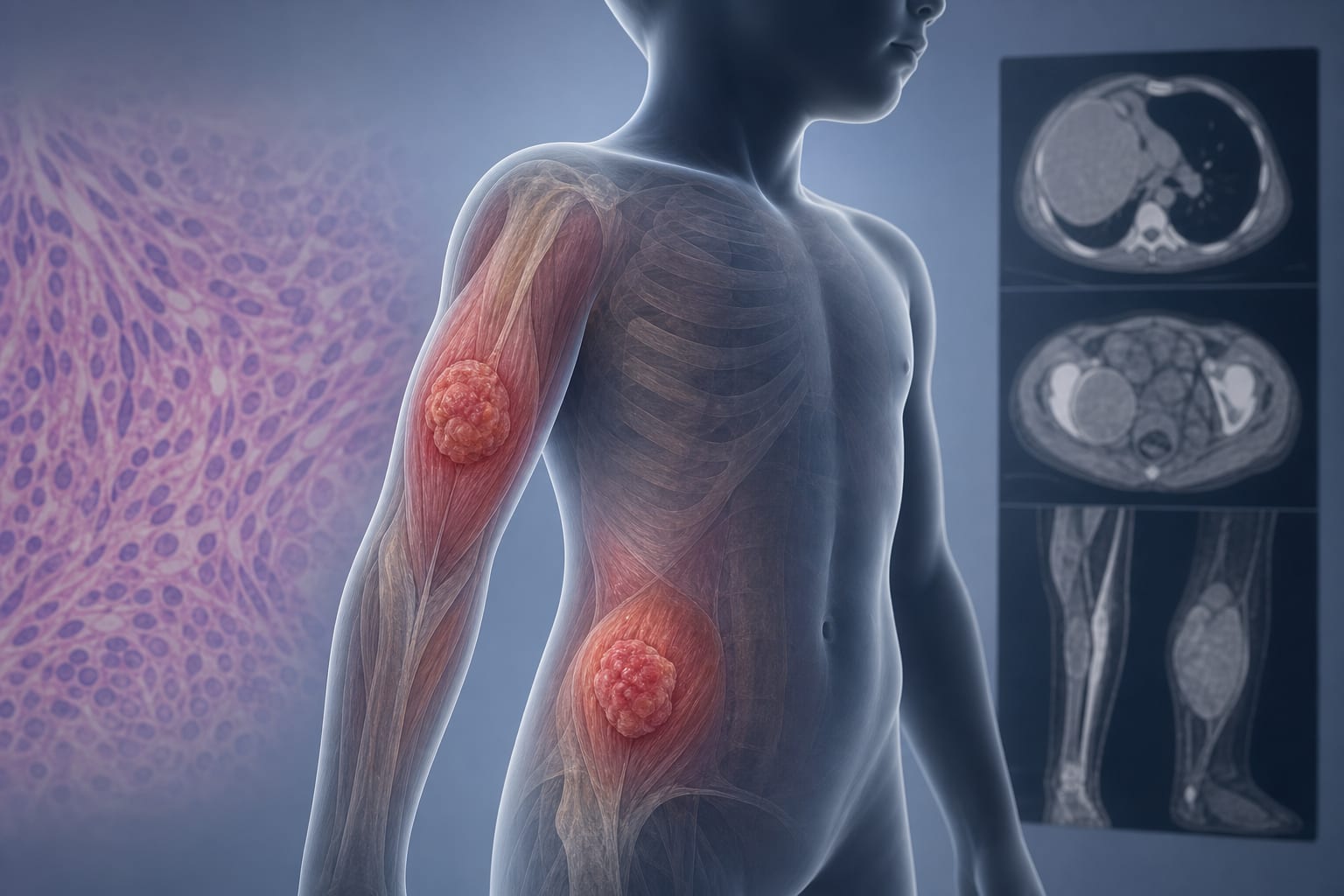
To investigate the clinical features and risk factors associated with relapse/progression in pediatric patients with rhabdomyosarcoma (RMS) of the trunk and extremities.
Approach:
Study Design: A retrospective analysis of clinical data from 15 children with trunk and extremity RMS treated at Shanghai Children’s Hospital between January 2011 and December 2024.
Treatment: All patients received multimodal therapy, including surgery, chemotherapy, and radiotherapy.
Statistical Analysis: Associations between clinical characteristics and relapse/progression rates were analyzed using descriptive statistics and Fisher’s exact test.
Key Findings:
The median follow-up duration was 48 months.
The 5-year event-free survival (EFS) was 60% (95% CI: 34.5%-85.5%).
The 5-year overall survival (OS) was 66.7% (95% CI: 42.1%-91.3%).
The overall relapse/progression rate was 40% (95% CI: 16.8%-68.7%).
Higher relapse/progression rates were observed in patients with metastasis at diagnosis (85.7%, P<0.001), high-risk stratification (75.0%, P=0.010), and macroscopic residual disease after surgery (100%, P<0.001).
Interpretation:
Limitations:
The study is based on a small sample size of 15 patients.
Findings may not be generalizable to larger populations.
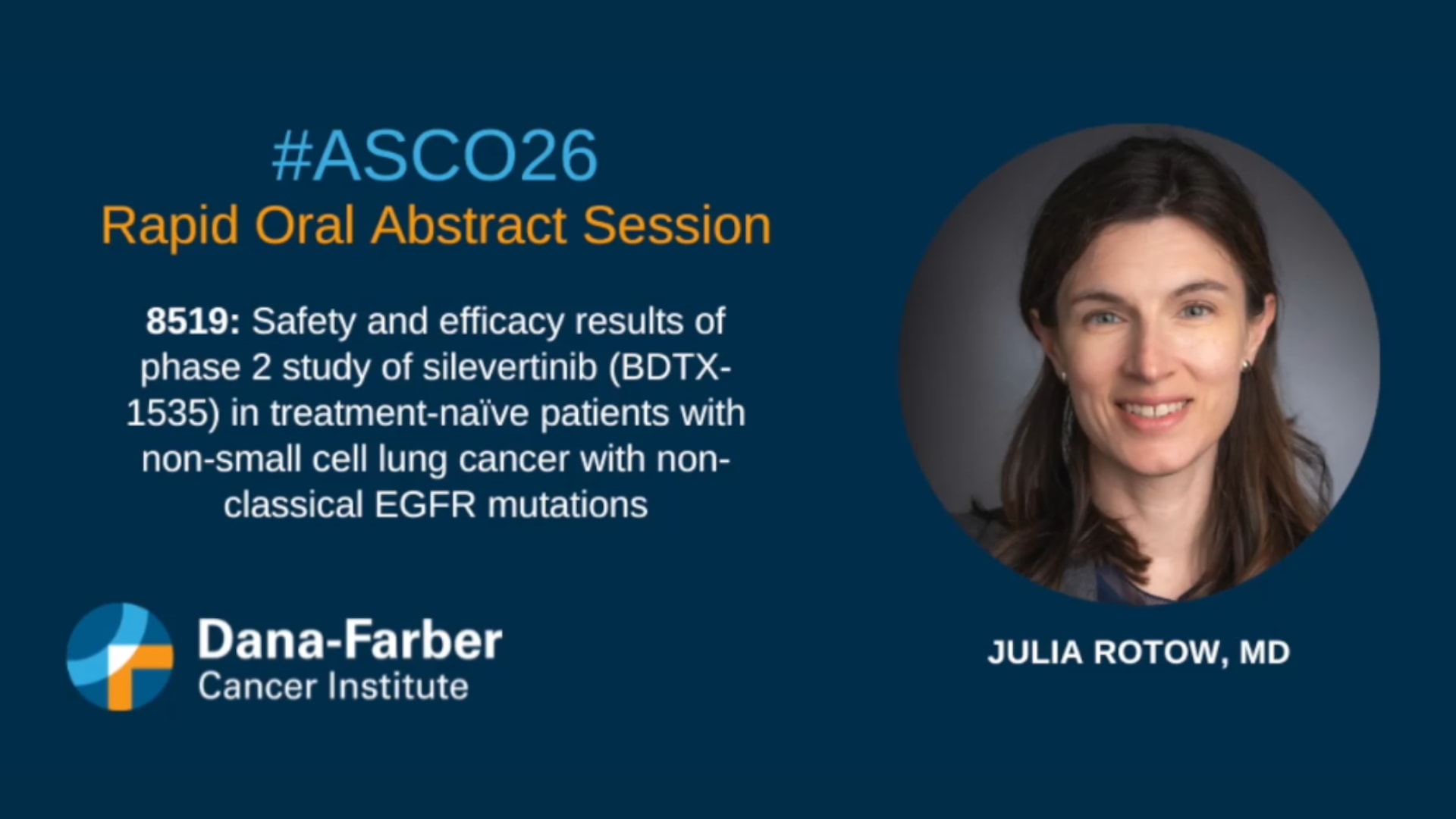
Dana-Farber Cancer Institute's Dr. Julia Rotow reported on a study looking at silevertinib, with data showing it may offer a new first-line option for hard-to-treat EGFR non-small cell lung cancer variants, with encouraging brain activity and manageable side effects.