Revision rate and postoperative volume development of chronic subdural hematomas after burr hole craniotomy in combination with tranexamic acid vs. surgery alone – a single-center propensity score-matched analysis - Summary - MDSpire
Conexiant’s news site is now MDSpire News. Learn more
Advertisement
Postoperative Volume Changes and Revision Rates of Chronic Subdural Hematomas Following Burr Hole Craniotomy with Tranexamic Acid Compared to Surgery Alone: A Propensity Score-Matched Study from a Single Center
To evaluate the efficacy of tranexamic acid in reducing postoperative recurrence rates and hematoma volume following surgical evacuation of chronic subdural hematomas.
Approach:
Key Findings:
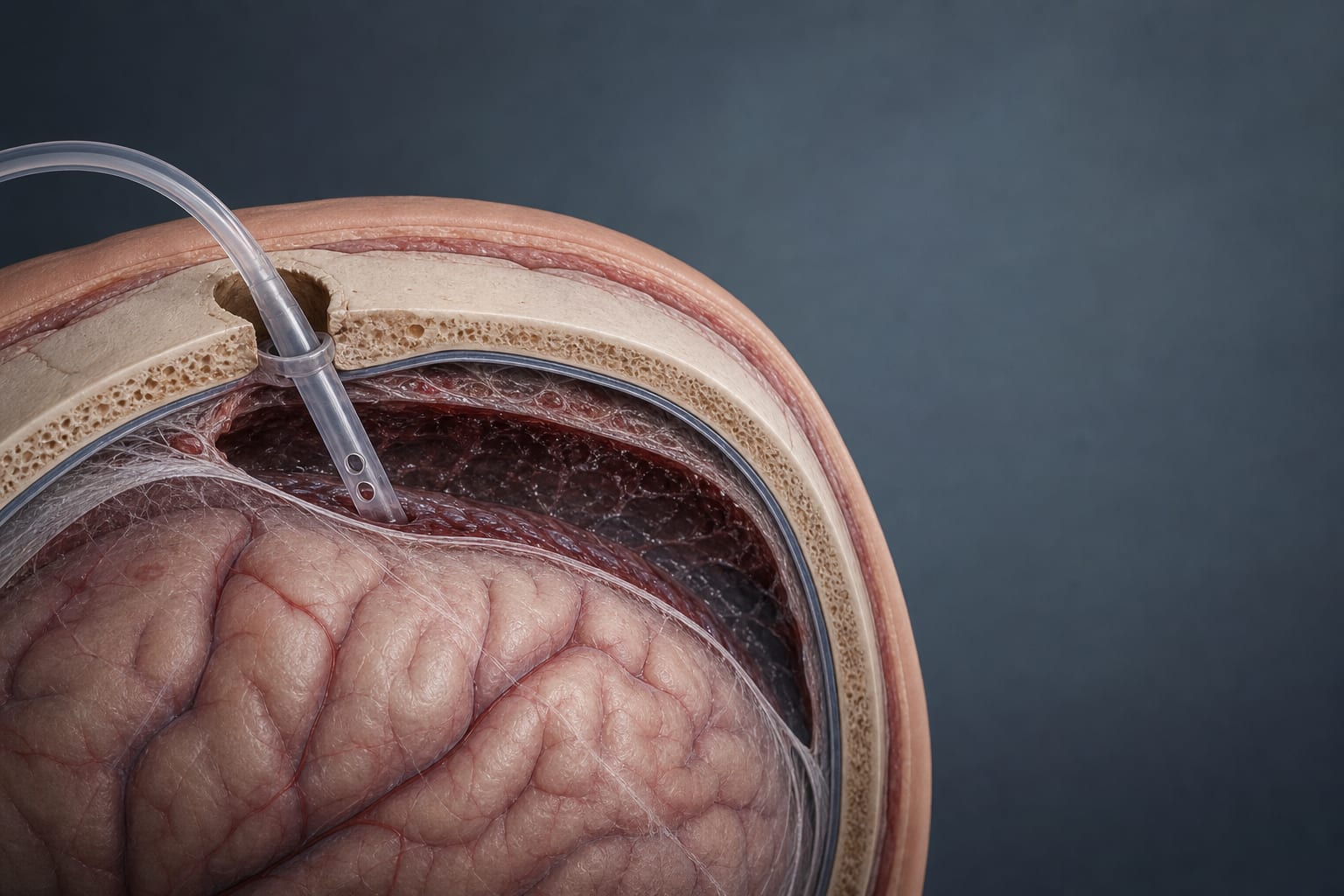
Chronic subdural hematoma is prevalent, particularly among older adults, with notable recurrence rates following surgical intervention.
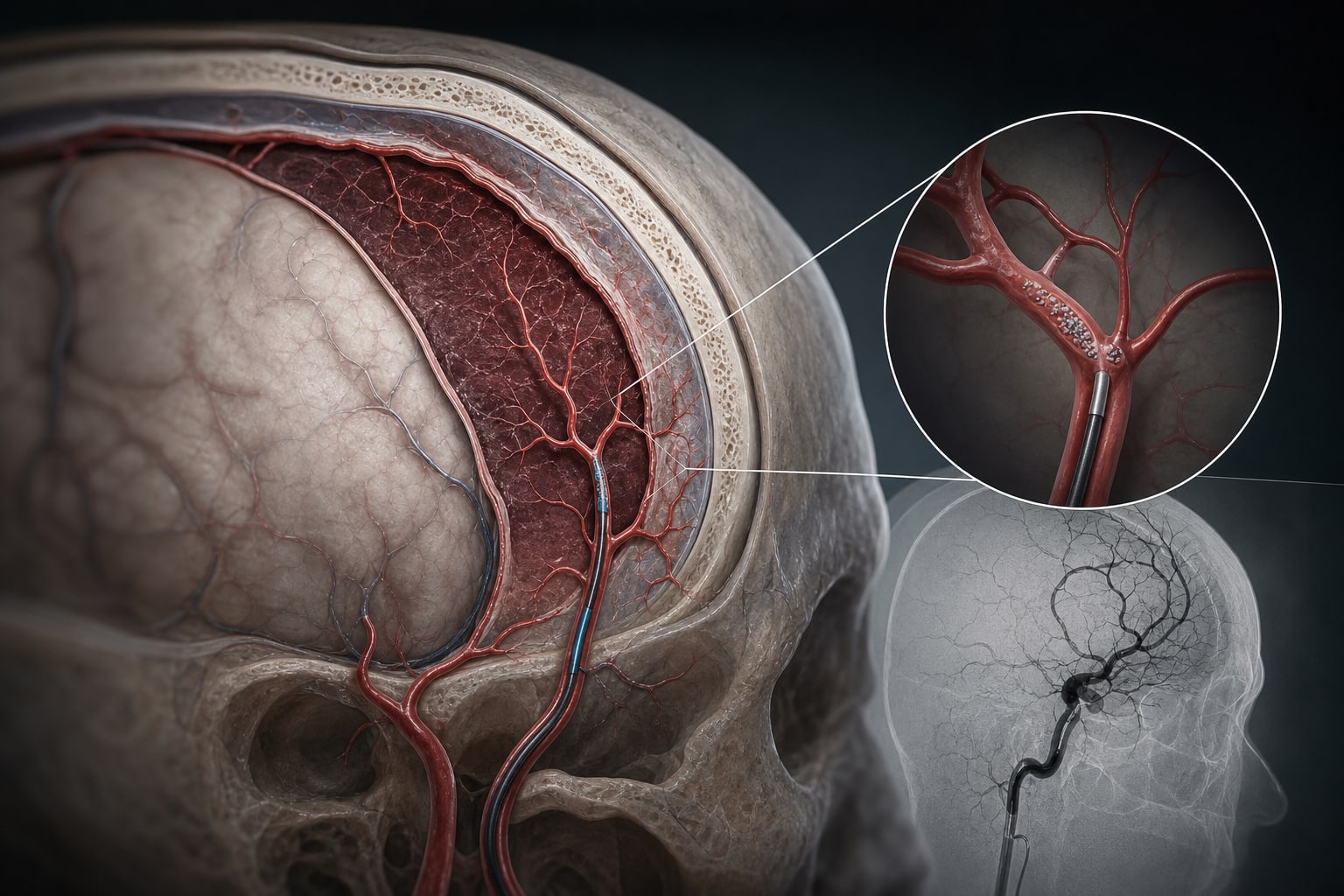
The administration of tranexamic acid may mitigate hyperfibrinolysis, which is associated with the re-expansion of hematomas.
This study aims to provide evidence regarding the effectiveness of TXA in lowering revision surgery rates and reducing hematoma volume.
Interpretation:
This study aims to clarify the role of tranexamic acid in the management of chronic subdural hematomas, addressing inconsistencies found in prior research.
Limitations:
Potential indication bias due to lack of standardized treatment protocols for TXA administration.
Retrospective design may limit the generalizability of findings.
Conclusion:
The findings of this study may enhance the understanding of tranexamic acid's effectiveness in managing chronic subdural hematomas.