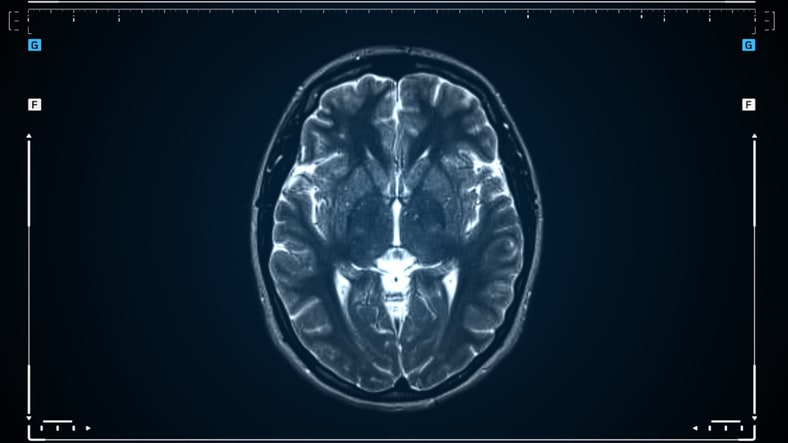
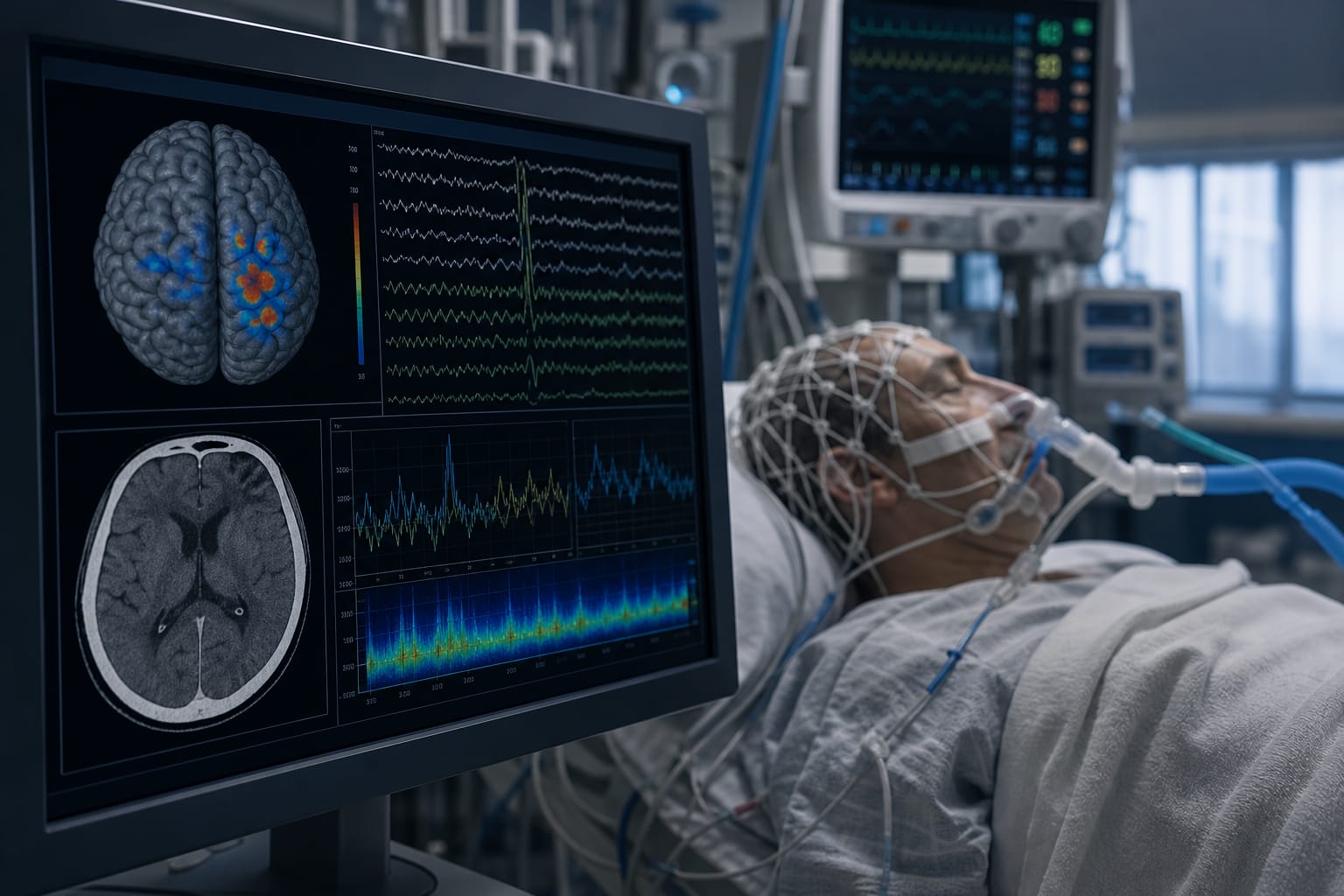
To compare inflammatory indices and metabolic biomarkers in hospitalized patients with Myasthenia Gravis (MG) and Guillain–Barré Syndrome (GBS), emphasizing their significance in neurocritical conditions and assessing correlations with disease severity and clinical outcomes.
Key Findings:
Mechanical ventilation was used in 10.5% of patients, strongly correlating with initial neurological severity (p < 0.001), indicating a critical need for monitoring in severe cases.
In MG, NLR and SII were strong predictors of severe disease and negative outcomes, suggesting their potential role in risk stratification.
LDH-related parameters, especially LAR, correlated with disease severity and respiratory involvement in MG, highlighting the importance of metabolic stress indicators.
In GBS, outcomes were primarily influenced by neurological severity, with limited prognostic significance from inflammatory indices, suggesting a need for tailored approaches.
Post-treatment increases in transaminases were modestly correlated with more severe disease in GBS, indicating potential secondary effects of treatment.
Interpretation:
Biomarkers exhibit varying prognostic utility between MG and GBS; in MG, inflammatory and LDH-related metrics are significant for risk stratification, while in GBS, clinical severity is the main predictor of outcomes, necessitating different management strategies.
Limitations:
Study is retrospective and may not capture all variables influencing outcomes, including potential biases.
Findings require prospective validation to confirm prognostic significance and should include diverse patient populations.
Conclusion:
Inflammatory markers and LDH metrics in MG may assist in identifying patients at risk for respiratory decline, while GBS outcomes are primarily determined by neurological impairment, underscoring the need for tailored clinical approaches.
Federal prosecutors allege that a Florida physician and research staff fabricated clinical trial records that were submitted into database systems used to evaluate investigational drugs.