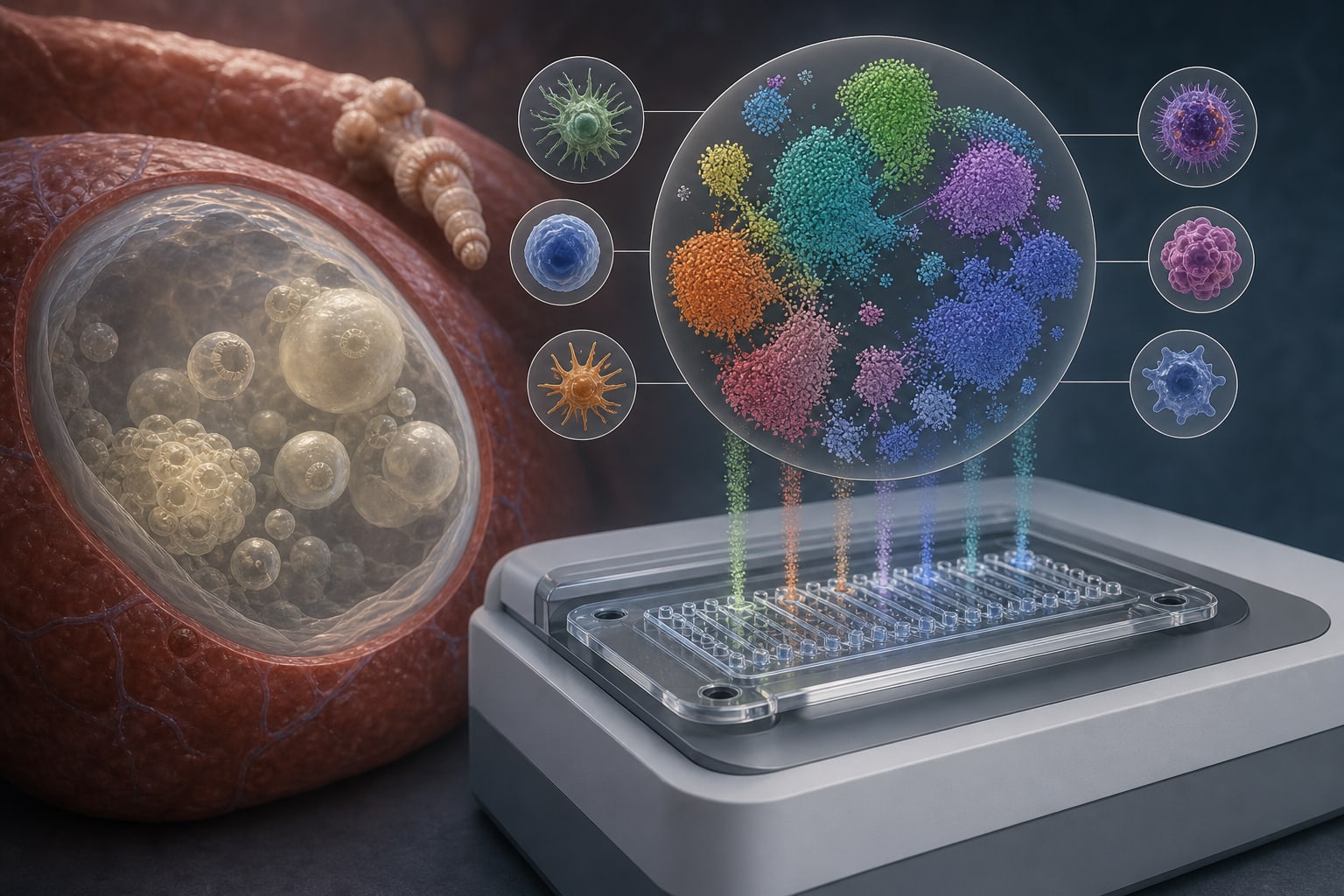
To explore the application of single-cell RNA sequencing in understanding hepatic echinococcosis and its molecular immunopathogenesis.
Approach:
Single-Cell RNA Sequencing: The review focuses on the use of single-cell RNA sequencing to analyze infiltrating immune cells, cell subpopulations, immune suppression, and the immune microenvironment in hepatic echinococcosis.
Key Findings:
Hepatic echinococcosis is classified into hepatic alveolar and hepatic cystic echinococcosis, both significantly affecting quality of life in endemic areas.
Single-cell RNA sequencing has advanced the understanding of biological heterogeneity and immune interactions in hepatic echinococcosis, particularly in analyzing infiltrating immune cells and the immune microenvironment.
The disease poses a major global health burden, with significant disability-adjusted life years (DALYs) attributed to both cystic and alveolar forms.
Interpretation:
The application of single-cell transcriptomics provides insights into the immune mechanisms and biological characteristics of hepatic echinococcosis.
Limitations:
Current treatment options for hepatic echinococcosis are limited, with few chemotherapeutic drugs available.
The complexity of Echinococcus species and their interactions with hosts complicates prevention and control efforts.
Conclusion:
Single-cell transcriptomic analysis enhances understanding of hepatic echinococcosis.