Case Report: Percutaneous closure of patent ductus arteriosus with the KONAR-MF™ device: initial experience and results at 6 months in a tertiary center - Summary - MDSpire
Conexiant’s news site is now MDSpire News. Learn more
Advertisement
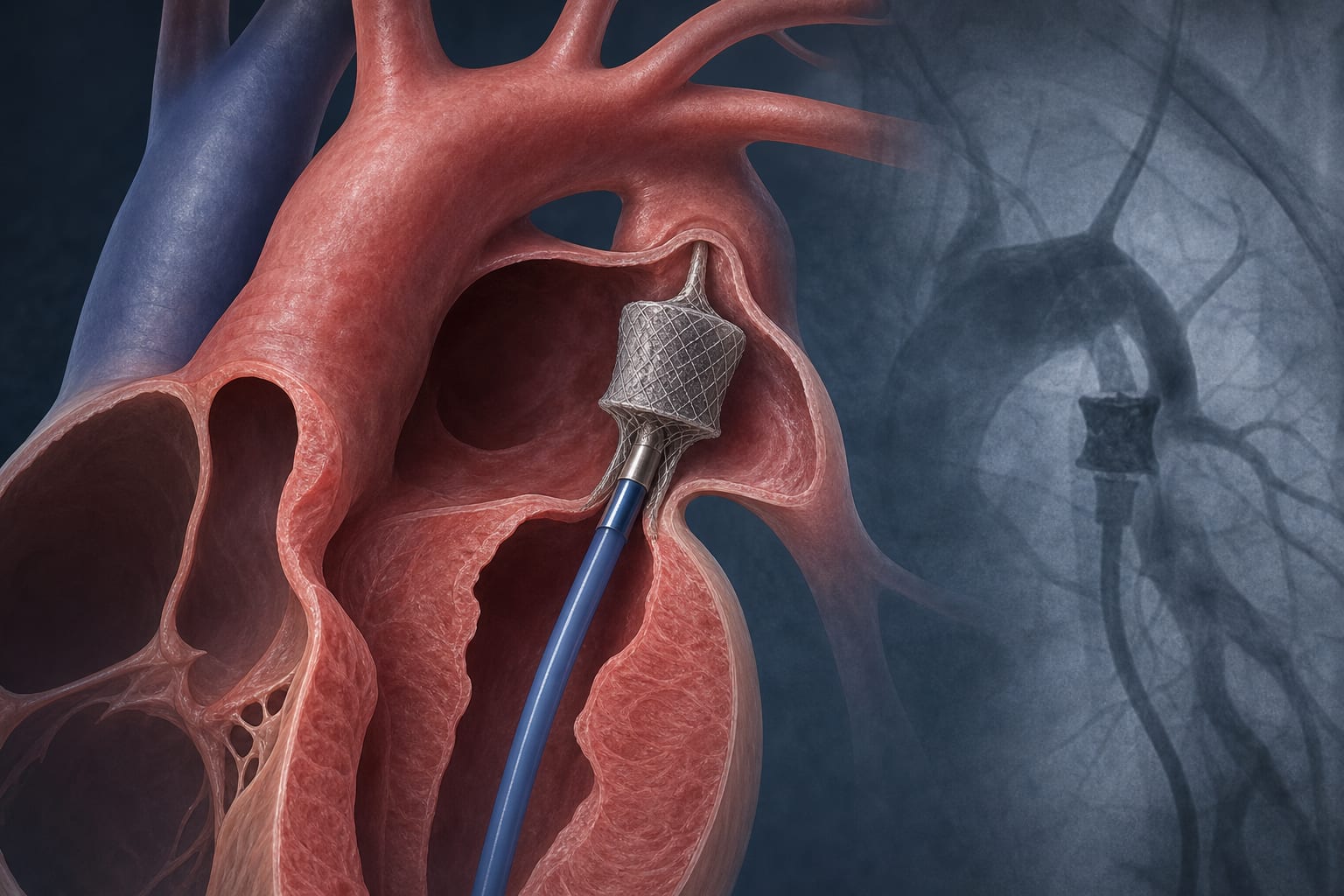
Initial Experience and Outcomes of Percutaneous Patent Ductus Arteriosus Closure Using the KONAR-MF™ Device: A Six-Month Follow-Up from a Tertiary Care Center
To evaluate the clinical and epidemiological characteristics of patients in whom PDA was closed using the off-label KONAR-MF™ device and to report outcomes at 6 months postprocedure, highlighting its significance compared to existing treatments.
Key Findings:
Seventeen patients were analyzed with a median age of 1 year and median weight of 11 kg.
58.8% of patients were female, and 58.8% presented with functional class III.
Severe pneumonia was the admission reason for 23.5% of patients, and 17.6% had Down syndrome.
47.1% of PDAs were classified as type C, with a median minimum ductal diameter of 5 mm and median ductal length of 8 mm.
The median pulmonary artery pressure was 25 mmHg, median fluoroscopy time was 9.7 min, and median radiation dose was 46 mGy/cm2.
A residual shunt was detected in 23.5% of patients, resolving in all by 6 months.
11.7% of patients had associated ventricular septal defects.
Interpretation:
The findings suggest that the KONAR-MF™ device may be a valid alternative for PDA closure in complex anatomies or underweight patients, warranting further investigation into its clinical implications.
Limitations:
Small sample size limits generalizability.
Retrospective design may introduce bias, affecting data accuracy.
Conclusion:
The KONAR-MF™ device shows promise for PDA closure in selected patients, indicating a need for further studies to validate these findings.
by Alex Ismael Catalán Cabrera, Mónica Karem Medina Durand, Karen del Rosario Condori Alvino, Cesar Augusto Puma Laura, Norma Maribel Portilla Marroquin