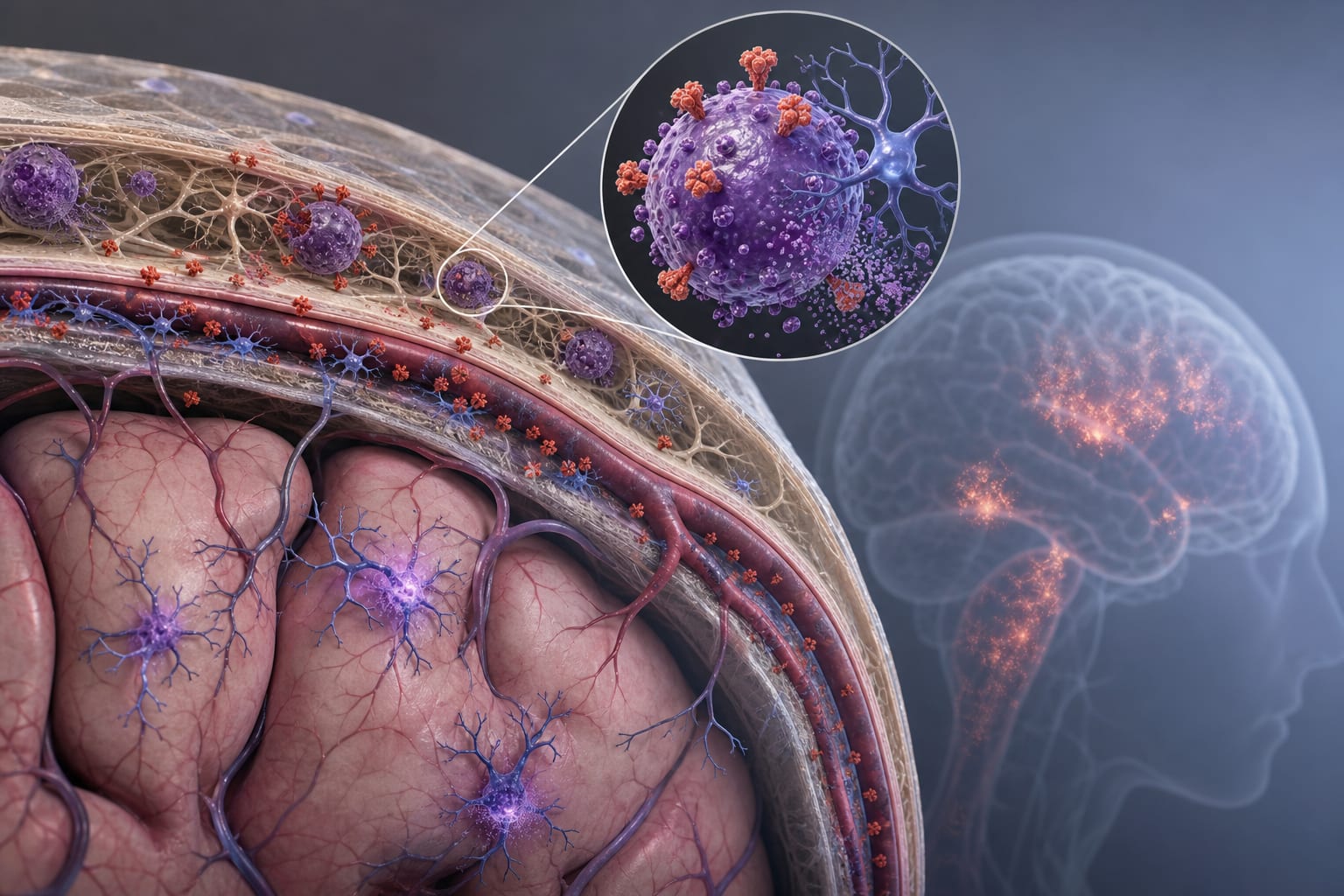
To explore how the SARS-CoV-2 Spike protein and neuroinflammatory molecules contribute to Long-COVID and related neurological disorders.
Approach:
Long-COVID Overview: Discusses the prevalence and symptoms of Long-COVID, including persistent fatigue, cognitive impairment, and neuropsychiatric disorders.
Epidemiology of Long-COVID: Examines the variation in Long-COVID prevalence across different SARS-CoV-2 variants, noting the highest rates associated with the ancestral strain.
Pathogenesis of Long-COVID: Addresses the unknown mechanisms of Long-COVID, focusing on immune responses, cytokine release, and the role of the Spike protein.
Microglia Activation: Highlights the role of microglia in neuroinflammation and their potential involvement in the neurological effects of COVID-19.
Key Findings:
Approximately 50% of SARS-CoV-2 infected patients develop Long-COVID symptoms, including fatigue, cognitive impairment, and neuropsychiatric disorders.
Long-COVID prevalence varies by SARS-CoV-2 variant, with the ancestral strain showing the highest rates.
Microglial activation and inflammation are implicated in the neurological effects of COVID-19.
Interpretation:
The mechanisms underlying Long-COVID are complex and involve direct neuroinflammation and immune responses.
Limitations:
The exact duration and long-term effects of Long-COVID remain unclear, and the pathogenesis is not fully understood.
Conclusion:
Further research is needed to elucidate the role of the Spike protein and neuroinflammatory processes in Long-COVID.