To evaluate the relevance of daptomycin in treating Enterococcus faecium bacteremia in ICU patients and discuss treatment outcomes compared to alternative regimens.
Approach:
Key Findings:
Daptomycin treatment was associated with increased risk of treatment failure compared to alternative regimens, as noted in the study.
No follow-up MIC testing was performed in cases of treatment failure, limiting interpretation of resistance mechanisms.
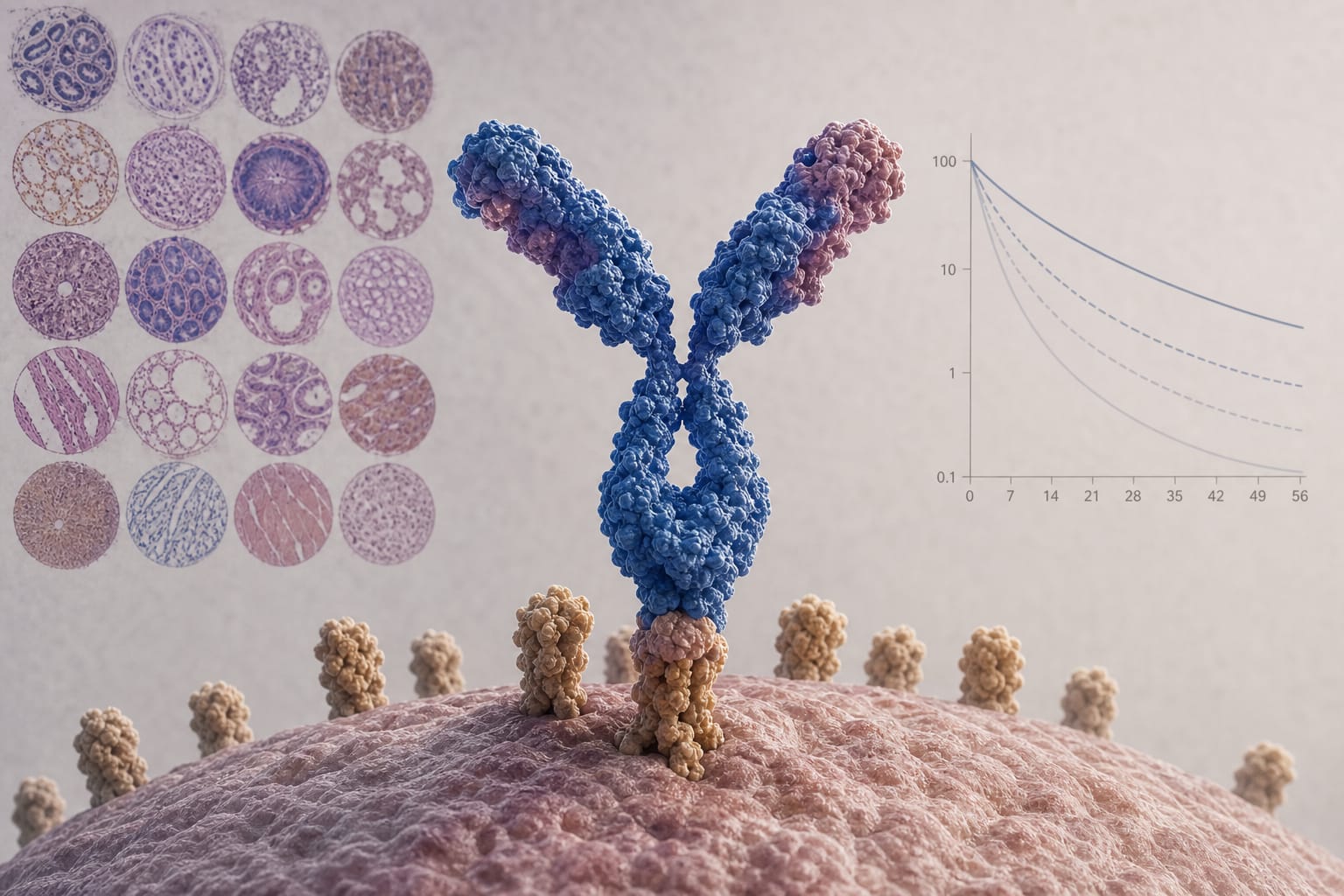
Resistance emergence during daptomycin treatment is possible, particularly under subinhibitory conditions.
Pharmacokinetic alterations in critically ill patients may lead to suboptimal daptomycin concentrations.
Combination therapy with beta-lactams may offer synergistic effects but lacks direct comparative studies against vancomycin.
Interpretation:
The study indicates that the optimal treatment strategy for Enterococcus faecium bacteremia in critically ill patients remains uncertain, with daptomycin monotherapy showing poorer outcomes in the studied cohort.
Limitations:
Lack of follow-up MIC testing in treatment failure cases.
Limited data on the clinical efficacy of daptomycin-based combination therapy.
Small cohort size and retrospective nature of the study.
Conclusion:
The study suggests that further investigation is needed to clarify the role of daptomycin and combination therapies in treating Enterococcus faecium bacteremia.