Syphilis Linked to Adverse Cardiovascular Outcomes - Summary - MDSpire

Syphilis Linked to Adverse Cardiovascular Outcomes

  • By

  • Kathryn Wighton

  • April 20, 2026

  • 3 min

Share

Objective:

To evaluate the association between syphilis infection and cardiovascular outcomes in patients without preexisting cardiovascular disease.

Key Findings:
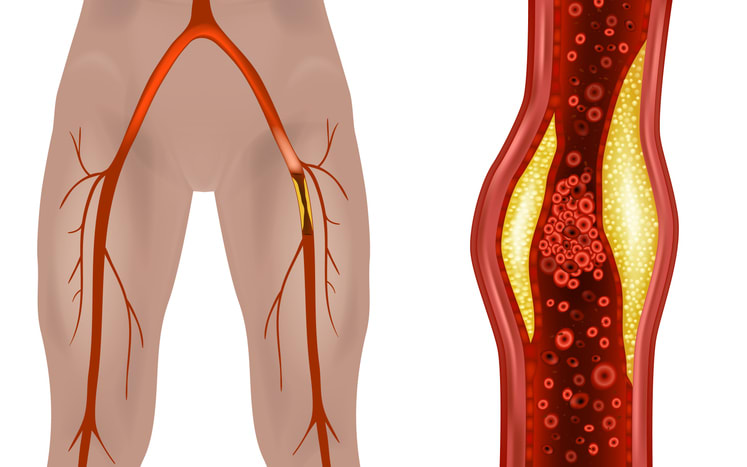
  • Patients with syphilis had higher rates of myocardial infarction (7% vs 4%), ischemic stroke (10% vs 6%), hemorrhagic stroke (2% vs 1%), aortic aneurysm or dissection (3% vs 1%), and peripheral artery disease (6% vs 4%).
  • Syphilis was independently associated with increased risk of multiple cardiovascular outcomes after multivariable adjustment.
  • Markedly elevated mortality risk associated with syphilis (hazard ratio, 5.80; 95% CI, 3.81–8.82).
  • No significant differences observed for heart failure, atrial fibrillation, aortic regurgitation, or venous thromboembolism.
  • Tertiary syphilis was linked to increased cardiovascular risks, while primary or secondary syphilis showed no associations.
Interpretation:

Syphilis infection is associated with increased risks of several adverse cardiovascular outcomes, particularly affecting vascular tissues.

Limitations:
  • Retrospective design may introduce bias.
  • Potential residual confounding.
  • Reliance on diagnostic codes for syphilis identification.
  • Lack of data on treatment status or laboratory measures.
Conclusion:

Early detection and treatment of syphilis may be crucial, and cardiovascular risk assessment should be integrated into syphilis management.

Original Source(s)

Related Content