To investigate the association between absolute and functional iron deficiency and the risk of dementia in adults aged 50 years and older.
Approach:
Key Findings:
Dementia occurred in 7% of the cohort, with higher rates in those with iron deficiencies (9.5% absolute, 9.3% functional).
Absolute iron deficiency linked to a 24% higher likelihood of dementia; functional iron deficiency linked to a 21% higher likelihood.
In individuals aged 50-74, absolute iron deficiency associated with a 50% higher likelihood of dementia.
Among those aged 75+, functional iron deficiency associated with a 40% higher likelihood of dementia.
For individuals with a Charlson Comorbidity Index score of at least one, absolute iron deficiency linked to a 54% higher likelihood of dementia.
Interpretation:
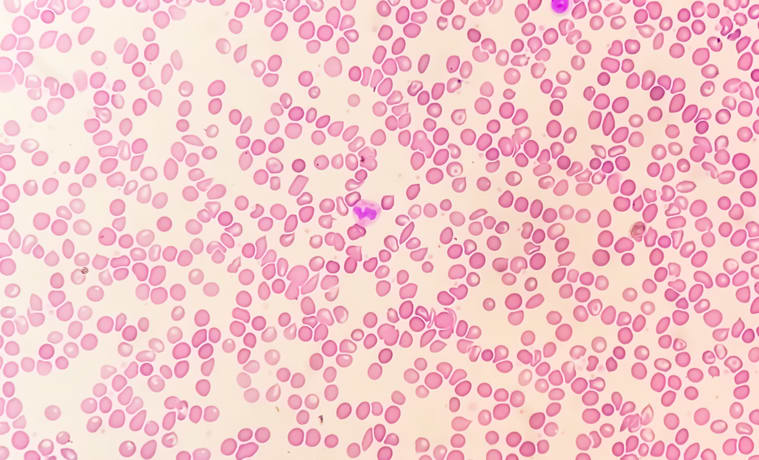
Iron deficiency, distinct from anemia, is associated with increased dementia risk, suggesting that addressing iron deficiency may be important for dementia prevention.
Limitations:
Dementia ascertainment primarily relied on specialist care data, potentially missing cases diagnosed in primary care.
Limited lifestyle data and potential residual confounding may have influenced results.
Selection bias related to biomarker testing cannot be fully excluded.
Conclusion:
Resolving iron deficiency may be relevant for dementia prevention in older adults.