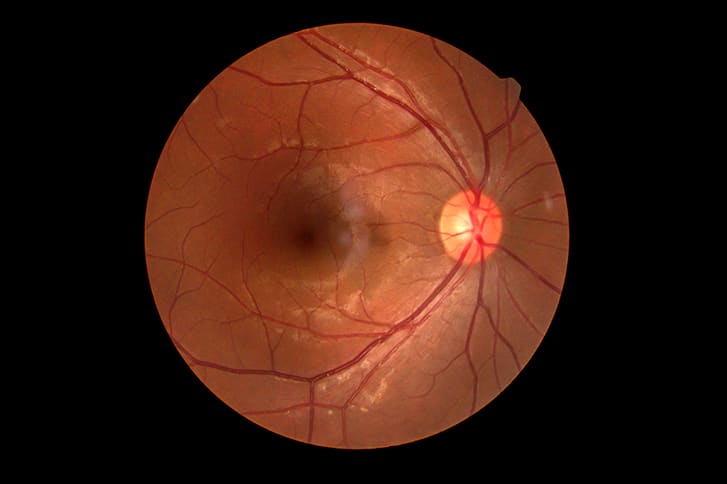
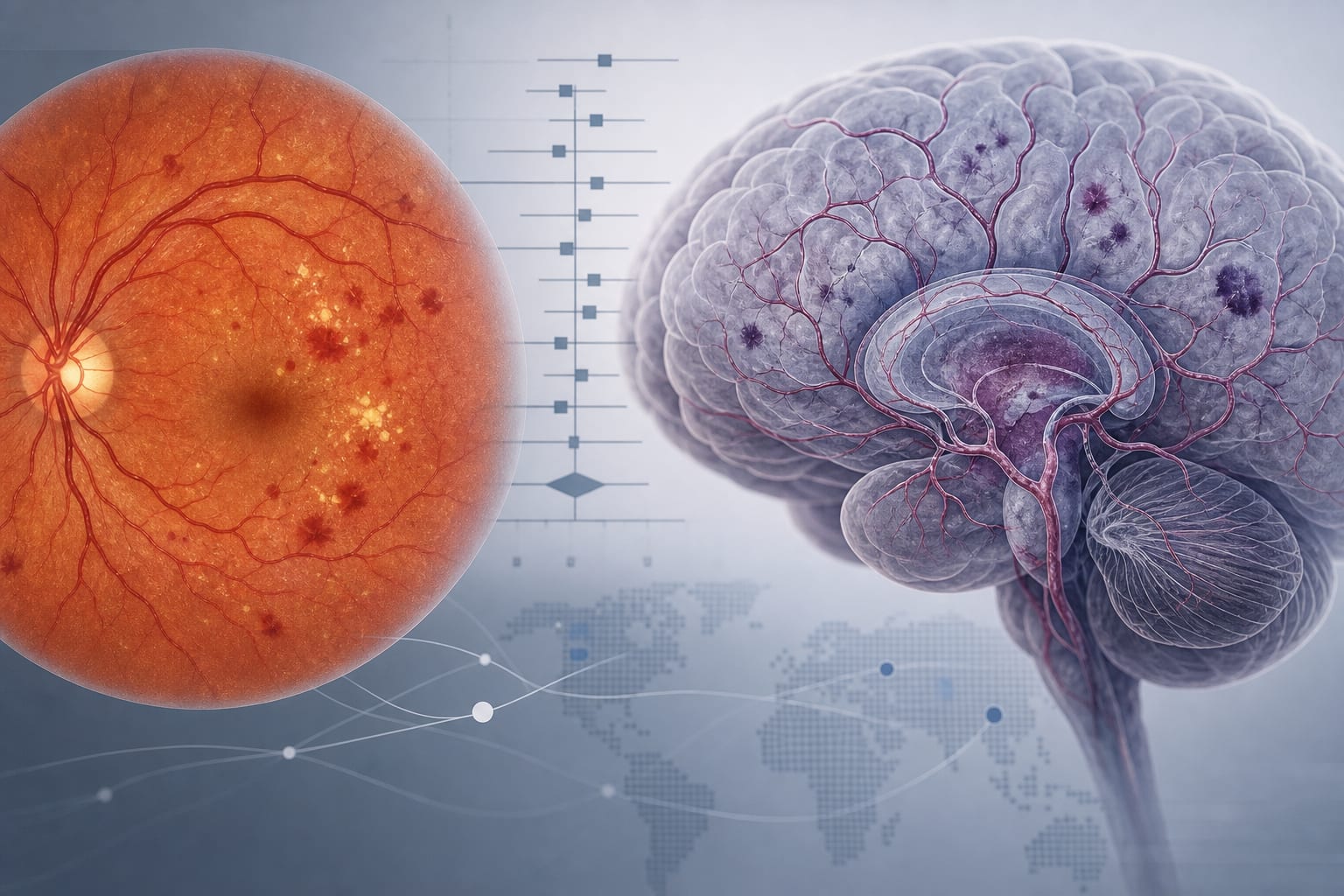
To summarize cell-specific alterations in the neurovascular unit (NVU) and the molecular mechanisms driving neurovascular uncoupling in diabetic retinopathy (DR), and to discuss existing therapeutic approaches.
Approach:
Framework Overview: The review discusses the NVU as a structural and functional entity that includes retinal neurons, glial cells, vascular cells, and the extracellular matrix, emphasizing their coordinated interactions.
Pathological Mechanisms: It outlines how chronic hyperglycemia, oxidative stress, inflammation, and other factors disrupt NVU interactions, leading to neurovascular uncoupling.
Key Findings:
Diabetic retinopathy is increasingly recognized as a neurovascular degenerative disorder involving coordinated injury to neuronal, glial, vascular, and extracellular matrix components.
Neurovascular uncoupling occurs due to chronic hyperglycemia and other metabolic disturbances.
Functional abnormalities can precede visible vascular lesions in diabetic retinopathy.
Interpretation:
Reframing DR as a disorder of early NVU uncoupling may shift clinical focus towards neurovascular protection and precision treatment strategies.
Limitations:
The review does not provide new experimental data but synthesizes existing literature.
Further research is needed to validate proposed therapeutic approaches.
Conclusion:
Understanding the NVU's role in DR can enhance early diagnosis and treatment strategies tailored to different disease stages.