To examine the complexity of dendritic cell (DC) biology in cancer and its implications for personalized immunotherapy.
Key Findings:
DCs are dynamic regulators influenced by the tumor microenvironment, not merely defective effectors, as shown in specific studies.
Therapeutic strategies must consider the specific DC populations and their functional programming, with examples from the literature.
DC dysfunction varies significantly across different malignancies, affecting immune responses, as illustrated by case studies.
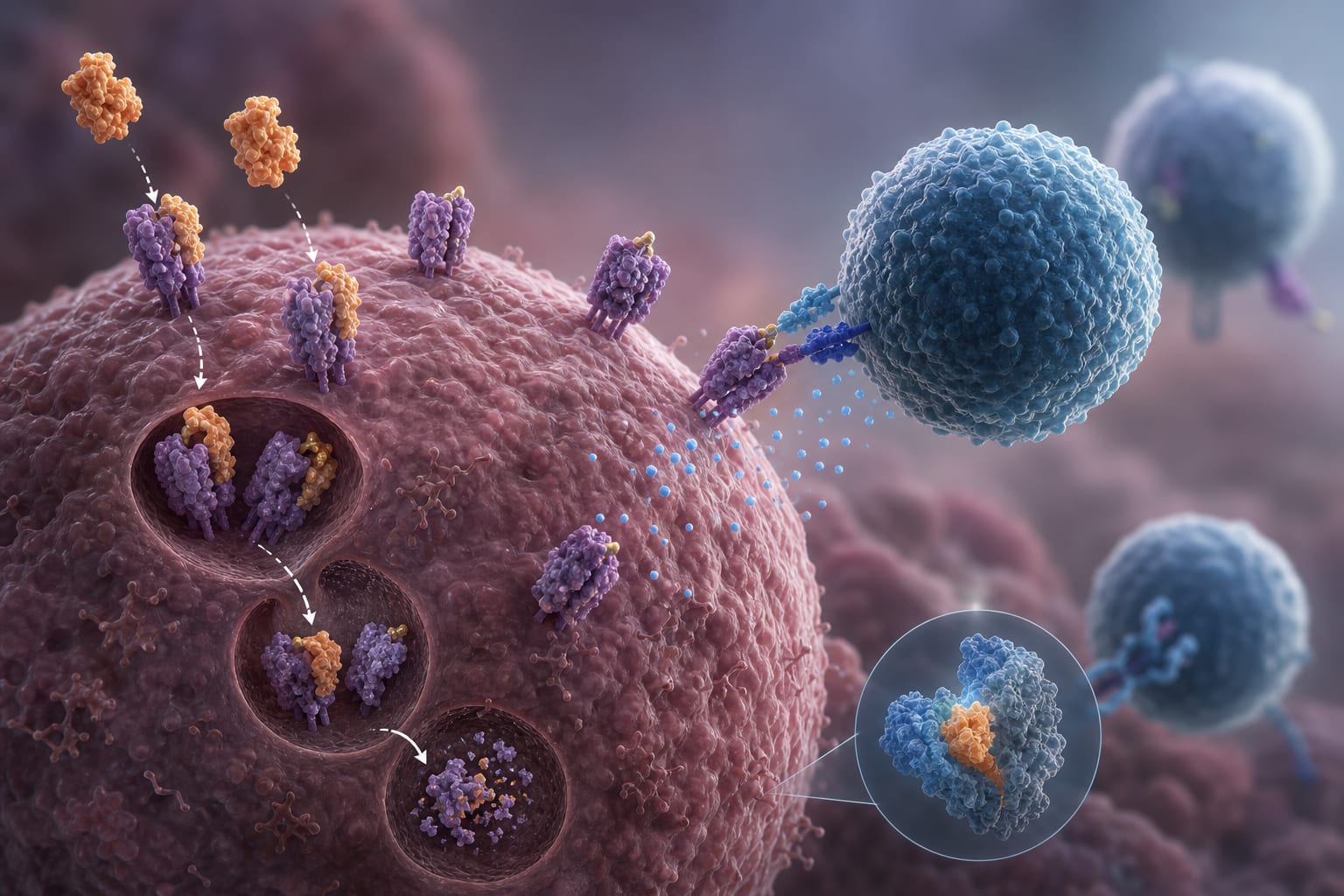
DC-derived exosomes may serve as novel, engineerable anticancer agents, with potential applications discussed.
Interpretation:
The findings suggest that a nuanced understanding of DC biology is crucial for developing effective cancer immunotherapies, moving beyond simplistic views of DC deficiency and recognizing the complexity of their roles.
Limitations:
The variability in DC function across tumor types complicates the development of universal therapeutic strategies, as evidenced by specific case studies.
Current clinical applications of DC-based therapies have not consistently translated into broad clinical benefits, highlighting the need for tailored approaches.
Conclusion:
Future advances in DC-based cancer immunotherapy will depend on improved patient stratification, understanding tumor-induced immune suppression, and aligning therapeutic approaches with DC biology, emphasizing the importance of context-dependence.