Levofloxacin Prophylaxis in Pediatric and Young Adult Allogeneic Hematopoietic Stem Cell Transplantation Recipients Does not Prevent Infective Complications and Infections-related Deaths - Summary - MDSpire
Advertisement
Levofloxacin Prophylaxis in Pediatric and Young Adult Allogeneic Hematopoietic Stem Cell Transplantation Recipients Does not Prevent Infective Complications and Infections-related Deaths
To evaluate the efficacy of levofloxacin prophylaxis in preventing infectious complications and mortality in pediatric and young adult patients undergoing allogeneic hematopoietic stem cell transplantation, amidst ongoing controversy regarding its use.
Key Findings:
No significant differences in overall survival, event-free survival, or incidence of aGvHD between the two groups.
Higher incidence of bloodstream infections in the levofloxacin group (25.6% vs 34.1%; P = .236), warranting further investigation.
Levofloxacin prophylaxis was associated with a higher prevalence of quinolone-resistant strains (P = .001), raising concerns about antibiotic resistance.
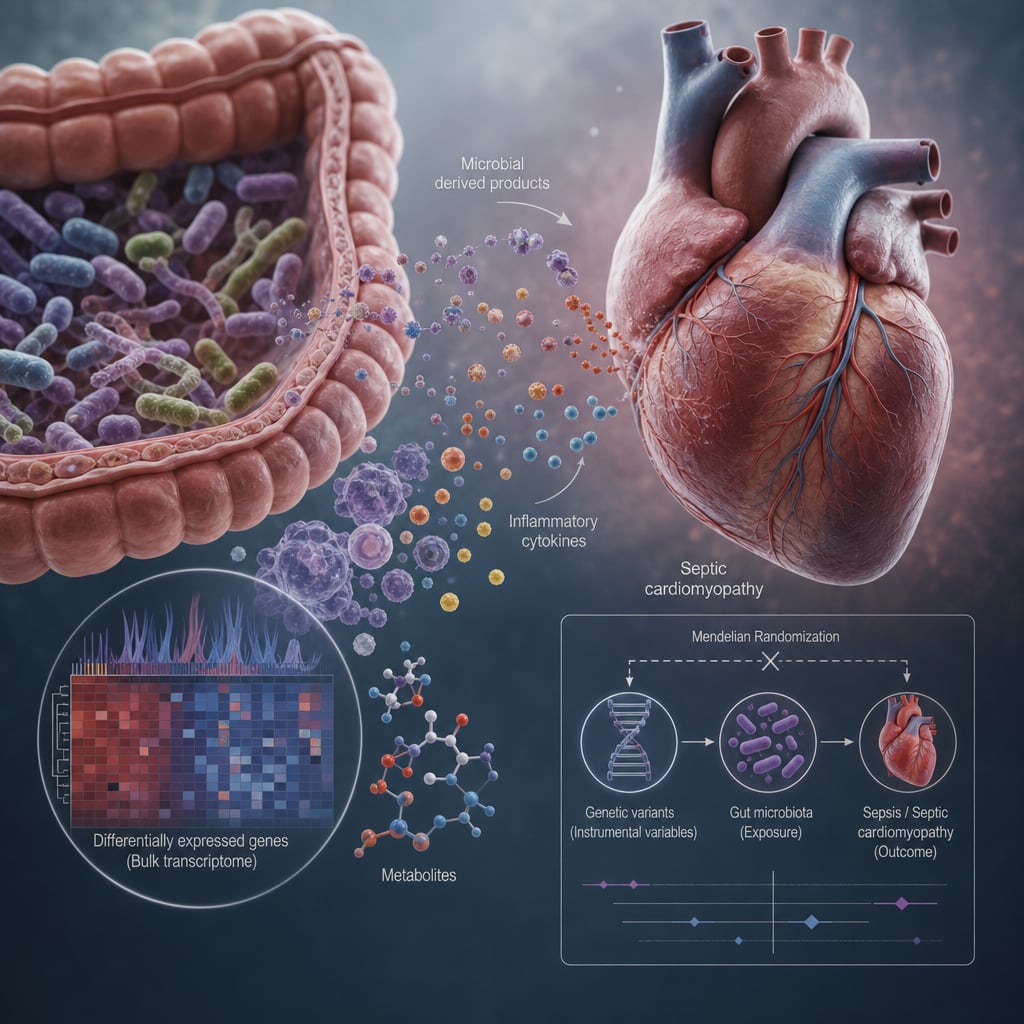
Altered gut microbiota composition in patients receiving levofloxacin, with lower abundance of specific bacteria, indicating potential dysbiosis.
Interpretation:
Levofloxacin prophylaxis does not prevent infectious complications in pediatric allo-HCT recipients and may increase antibiotic resistance and alter gut microbiota, suggesting a need for cautious use.
Limitations:
Single-center study may limit generalizability.
Retrospective design may introduce bias.
Small sample size for subgroup microbiota analysis.
Potential confounding factors affecting outcomes were not fully addressed.
Conclusion:
Levofloxacin prophylaxis in pediatric allo-HCT does not improve clinical outcomes and raises concerns about antibiotic resistance and microbiota dysbiosis, highlighting the need for further research.