Conexiant’s news site is now MDSpire News. Learn more
Advertisement
Identification of Aggressive Acral Melanoma Phenotype with Depleted NK Cells and Resistance to Checkpoint Inhibition through Locus-Specific HERV Expression
To define a prognostic HERV signature for acral melanoma (AM) and characterize its immune and molecular state.
Approach:
Sample Analysis: Quantified locus-specific TE expression from RNA sequencing of 36 AM samples from 33 patients.
Statistical Integration: Integrated TE expression results with clinical outcomes, tumor purity, and immune cell deconvolution.
Key Findings:
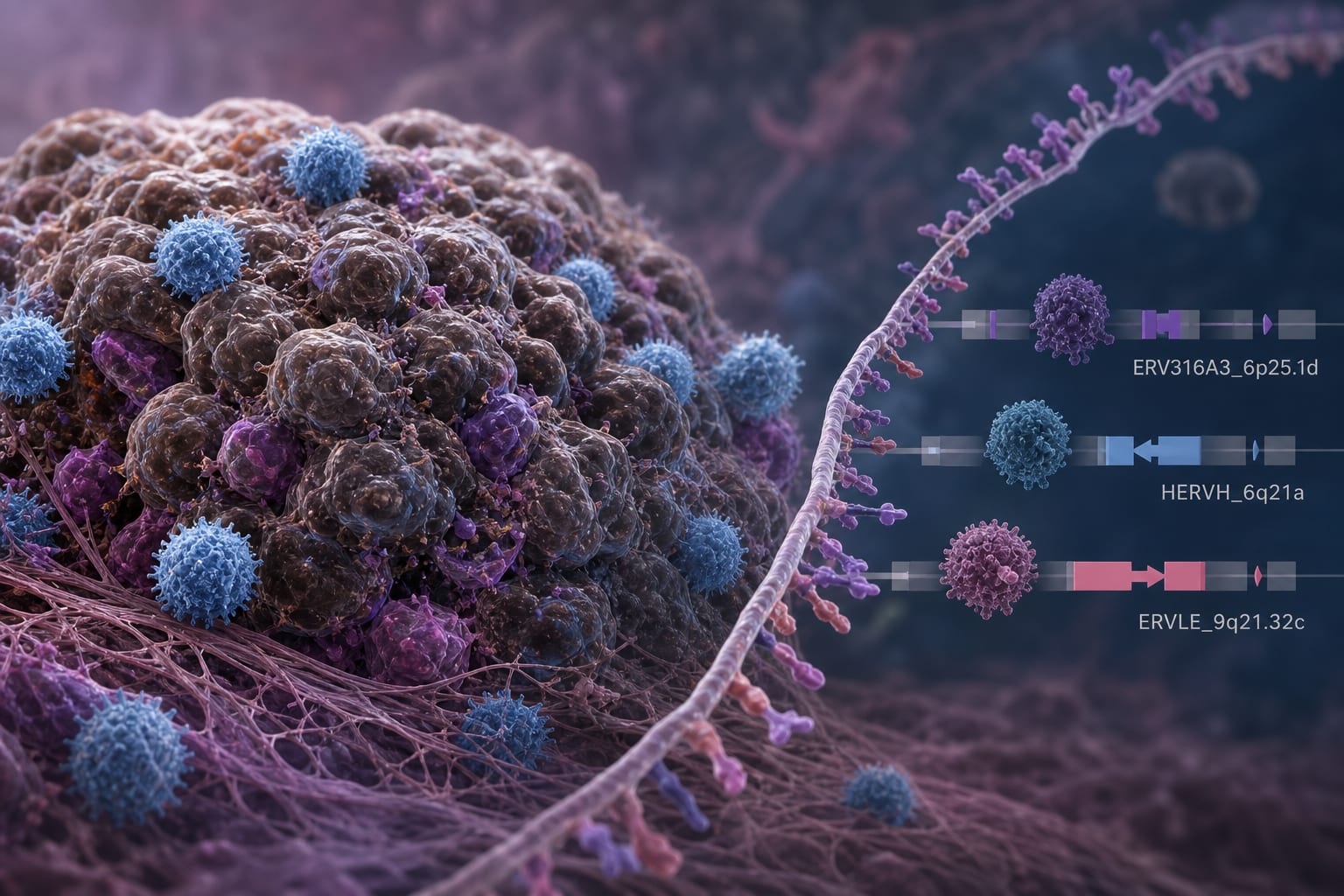
A three-locus HERV signature, composed of ERV316A3_6p25.1d, HERVH_6q21a, and ERVLE_9q21.32c, stratified AM tumors by overall survival with a C-index of 0.778.
High-risk tumors were NK-cell-depleted and showed elevated LIN28A and HMGA2 expression.
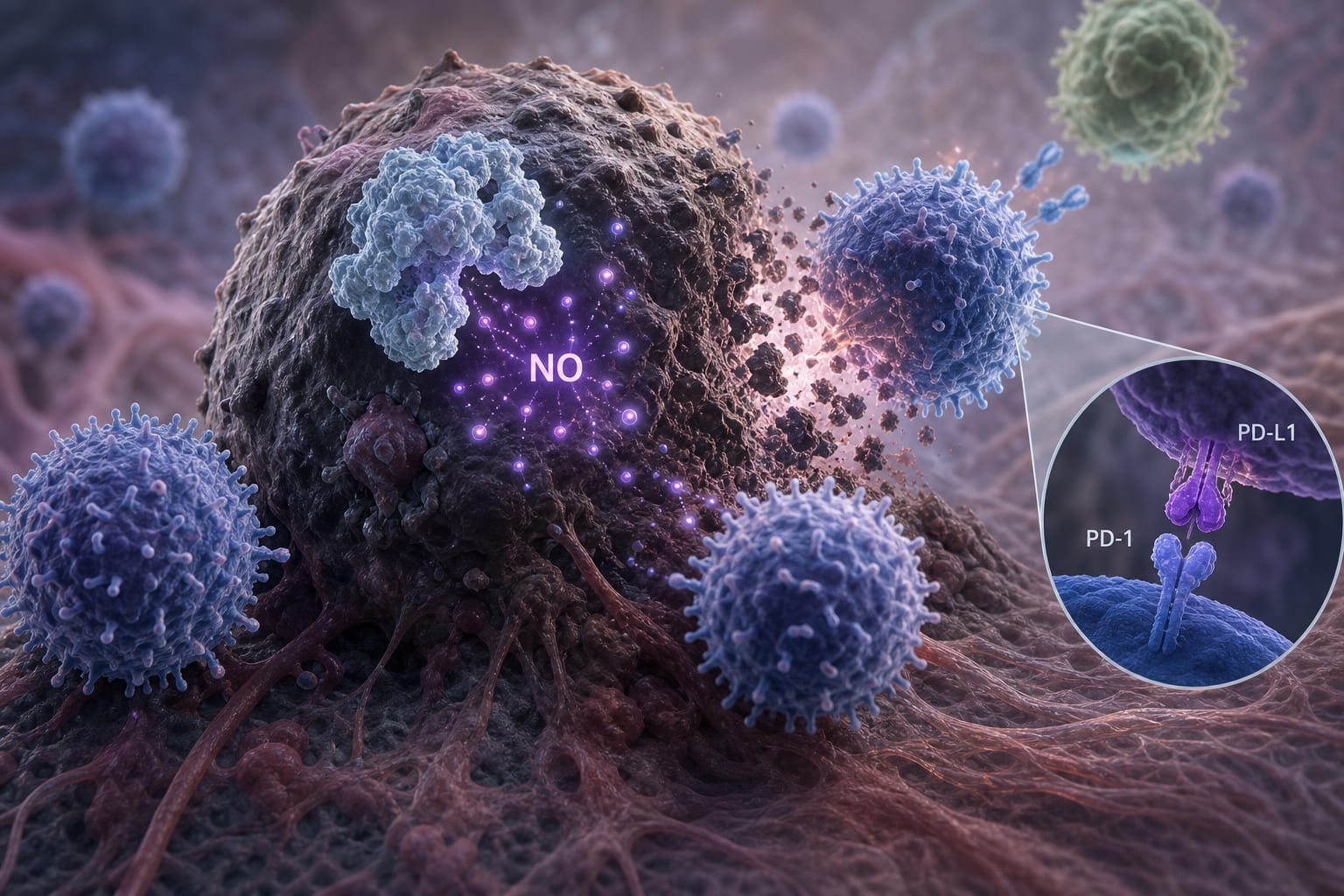
High-risk tumors had reduced odds of response to immune checkpoint inhibitor therapy.
A single locus, HML6_20p11.21, retained a full proviral structure and strong peptide-HLA binding predictions.
Interpretation:
AM can be transcriptomically stratified and a specific HERV signature is associated with aggressive disease and resistance to therapy.
Limitations:
The study is limited by the small sample size of 36 AM samples.
Validation of the HERV signature in larger cohorts is needed.
Conclusion:
The study identifies a locus-specific HERV signature of aggressive, checkpoint-refractory AM and proposes a structurally intact HERV-K antigen candidate for further evaluation.