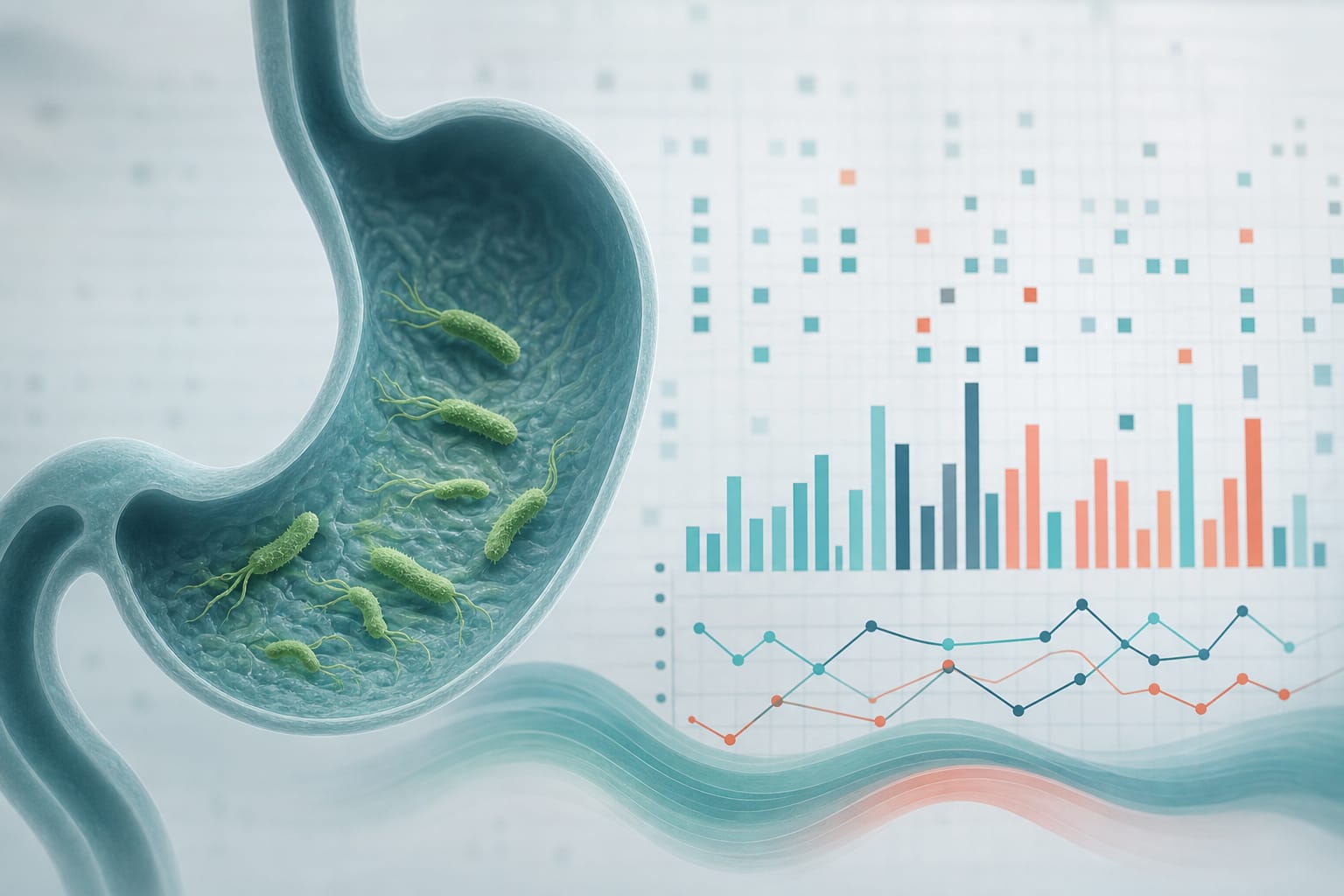
To summarize current evidence on H. pylori eradication, focusing on epidemiology, resistance, treatment regimens, adjunctive therapies, cancer prevention, and extra-gastric outcomes.
Approach:
Literature Search: Conducted a narrative literature search to identify current evidence on strategies for eradicating H. pylori, considering both first-line and salvage regimens.
Key Findings:
Over half of the world’s population is infected with H. pylori, with the highest prevalence in Africa, South America, and Asia.
Clarithromycin resistance exceeds 15%-20% in most regions, reducing the effectiveness of standard triple therapy.
First-line treatments in high-resistance areas include bismuth quadruple and concomitant regimens, achieving eradication rates above 85%.
Vonoprazan-based and high-dose dual therapies show promise as alternative options.
For second-line therapy, levofloxacin- and bismuth-based regimens remain effective, while rifabutin and susceptibility-guided approaches offer salvage options.
Probiotics and N-acetylcysteine improve eradication rates and treatment tolerability.
Successful eradication reduces the risk of gastric cancer and provides benefits for extra-gastric conditions such as iron deficiency anemia, idiopathic thrombocytopenic purpura, and pregnancy-related complications.
Interpretation:
Eradicating H. pylori is crucial for preventing gastric cancer and enhancing gastrointestinal and systemic health, necessitating adaptation to resistance patterns and the use of adjunctive strategies.
Limitations:
The review did not apply formal inclusion and exclusion criteria or quantitative synthesis.
Regional variations in eradication success and limited availability of susceptibility-guided therapy may affect generalizability.
Conclusion:
Achieving successful eradication requires adapting treatment to resistance patterns and implementing eradication programs in high-prevalence areas.