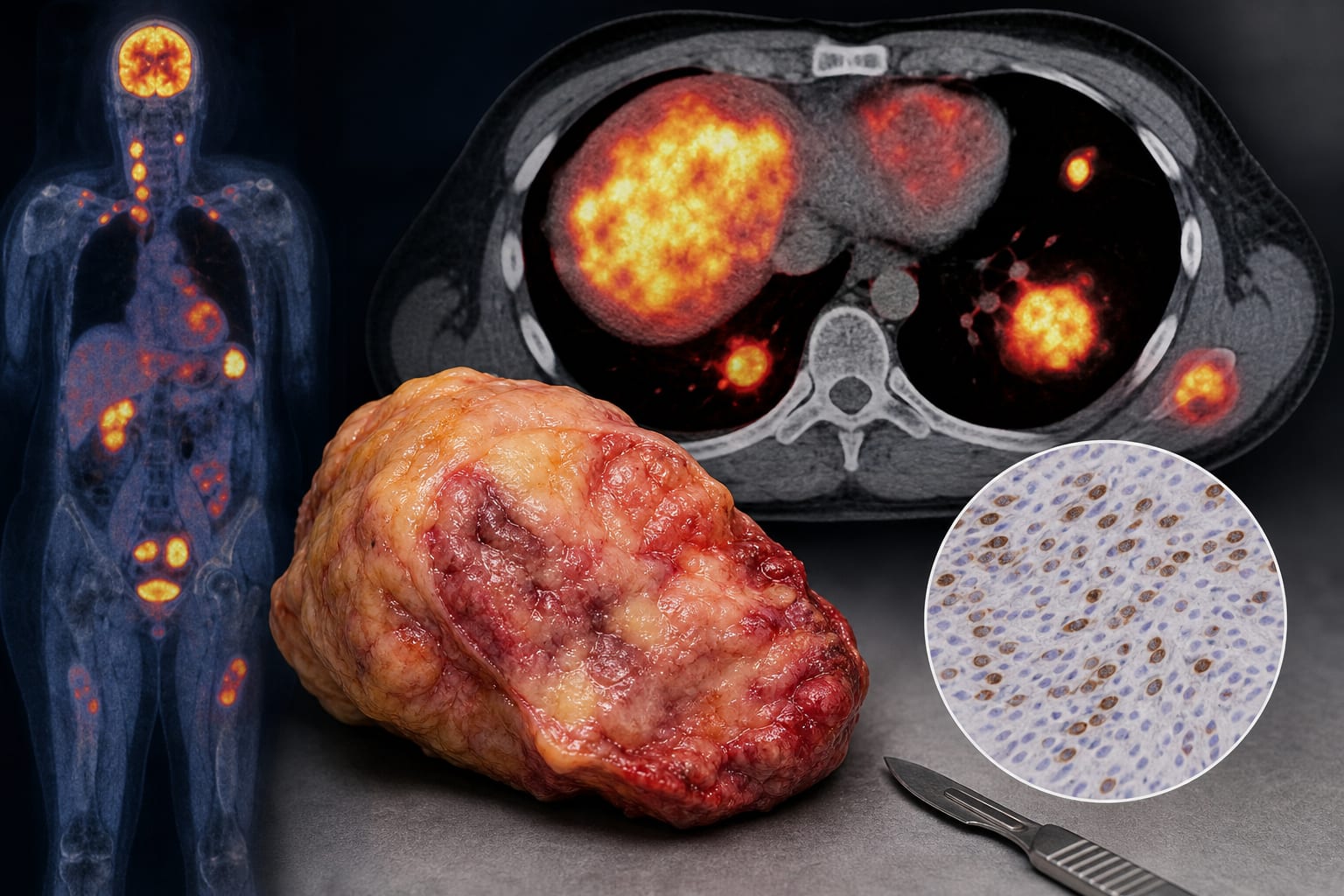
To quantify publication trends, collaborative networks, and research hotspots of gastric cancer-related T cell immunity from 2006 to 2025.
Approach:
Data Collection: Literature was retrieved from Web of Science Core Collection, PubMed, and Scopus, focusing on reviews of T cell immune regulation in gastric cancer published from 2006 to 2025.
Analysis Tools: CiteSpace and VOSviewer were used for bibliometric and visual analysis, covering publication trends, core authors, institutions, countries, journals, keywords, and research hotspots.
Key Findings:
A total of 2,476 eligible publications were identified, with a significant increase in annual publications after 2017, peaking at 337 papers in 2025.
China was the leading country in global publication and citation outputs over the 20 years.
Fudan University, Frontiers in Immunology, Suk Ki Tae, and Giovanni Targher were identified as the most productive institution, journal, author, and most co-cited author, respectively.
Recent popular keywords included immune infiltration, tumor immune microenvironment, drug resistance, and chemotherapy, linked to advancements in single-cell sequencing technology and immune checkpoint inhibitor trials.
Interpretation:
The bibliometric study provides a systematic overview of the research landscape regarding T cell immunity in gastric cancer, highlighting trends and collaborative patterns.
Limitations:
The bibliometric metrics reflect regional research scale rather than research quality or clinical translation capacity.
Keyword co-occurrence and clustering indicate thematic patterns but do not elucidate direct biological mechanisms or causal relationships in tumor immunology.
Conclusion:
Research on gastric cancer-related T cell immunity has rapidly evolved from 2006 to 2025, primarily focusing on tumor microenvironment regulation and immunotherapy.