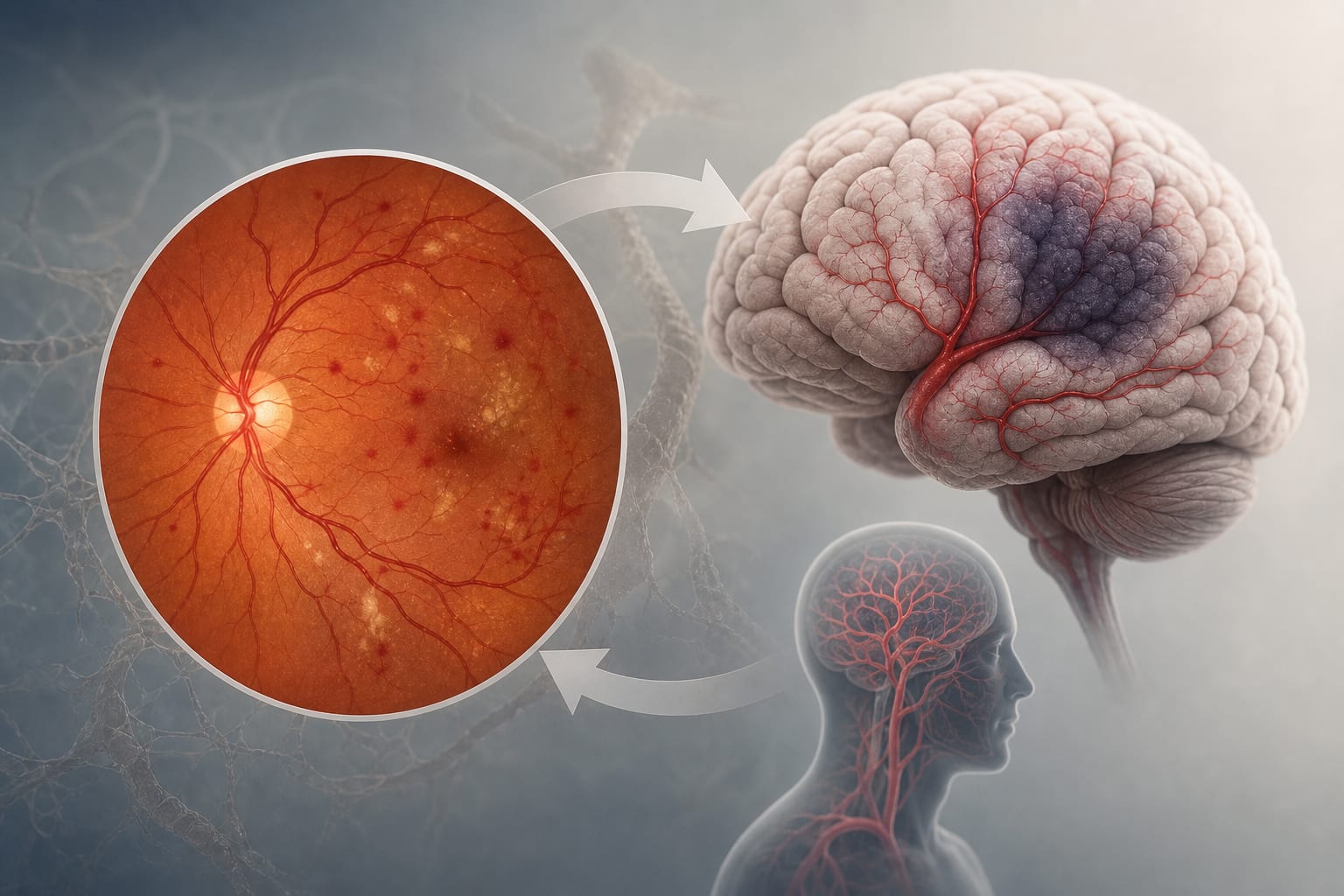
To highlight recent advancements and discussions in the management of diabetic retinal disease, particularly diabetic retinopathy (DR) and diabetic macular edema (DME), and their significance for patient care.
Approach:
Key Findings:
Approximately 30% of clinic patients evaluated had diabetic retinopathy.
New anti-VEGF treatments and pipeline agents are being explored for DR and DME.
Artificial intelligence shows promise in improving DR screening accuracy.
Corticosteroids require careful patient selection and dosing strategies.
Accurate ICD-10 coding is crucial for reflecting the complexity of care, especially in diverse patient populations.
Interpretation:
As diabetes prevalence rises, the management of diabetic retinal disease will become increasingly important, necessitating ongoing education and adaptation of treatment strategies.
Limitations:
The article does not provide specific data on the effectiveness of new treatments.
Limited discussion on the long-term outcomes of AI in DR screening, and lack of patient demographic data.
Conclusion:
The advancements in treatment and technology for diabetic retinal disease are critical for preserving vision, improving patient quality of life, and necessitate ongoing research and education.
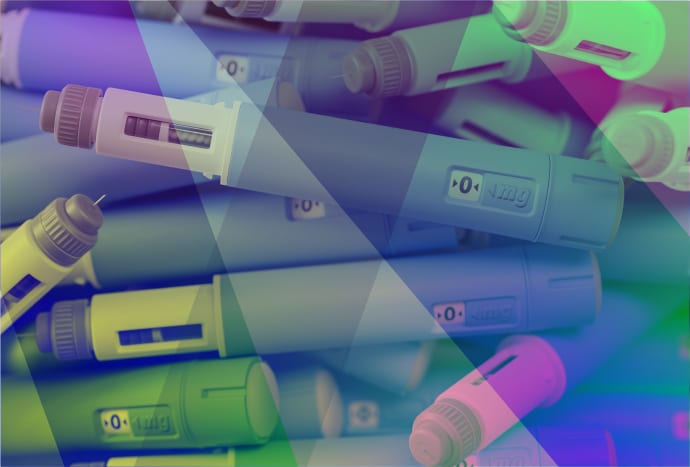
In an observational US target trial emulation, glucagon-like peptide-1 receptor agonist initiation was associated with about 3 to 4 more ischemic optic neuropathy cases per 10,000 patients over 18 months than two comparator drug classes.