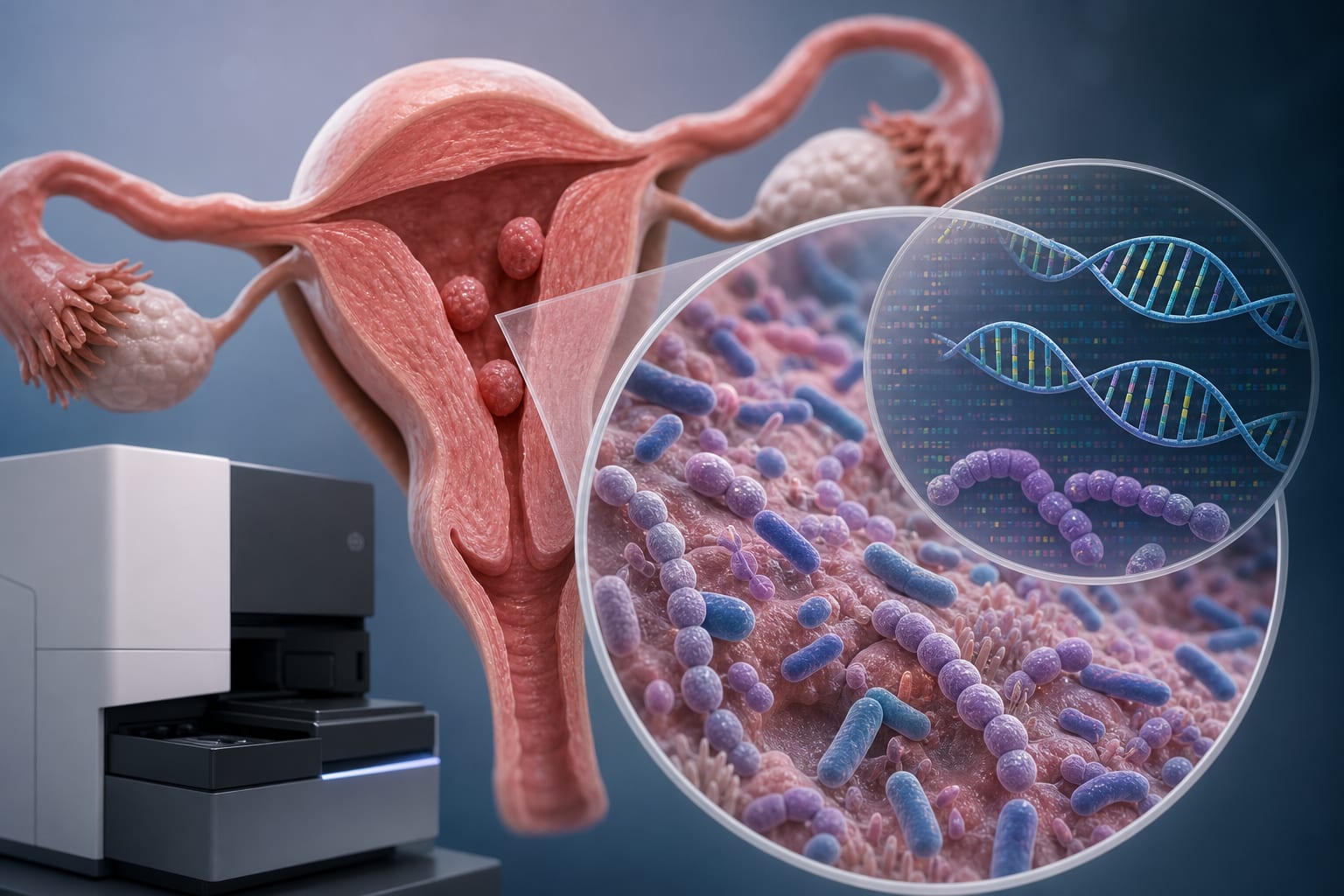
Characteristics in the uterine cavity microbiota of infertile women with hydrosalpinx or endometrial polyps revealed by shotgun metagenomics - Summary - MDSpire
To characterize the uterine cavity microbiota profiles in infertile women with endometrial polyps (EM) and hydrosalpinx (HD) compared to fertile controls.
Approach:
Method: label
Method: text
Key Findings:
Fertile controls exhibited significantly higher microbial alpha diversity compared to EM and HD groups.
The EM group showed dysbiosis with increased pathogenic bacteria, particularly Streptococcus and Streptococcus pneumoniae.
The HD group had reduced overall microbial load and core beneficial bacteria, with a relative increase in Streptococcus.
Interpretation:
Distinct endometrial microbial profiles were identified for EM and HD, suggesting potential microbiota-mediated mechanisms of infertility.
Limitations:
The study was limited to a single center and a specific age group, which may affect the generalizability of the findings.
Exclusion criteria may limit generalizability to broader populations.
Conclusion:
The findings support the endometrial microbiota as a potential biomarker for infertility, indicating targets for antibiotic selection and therapeutic evaluation.