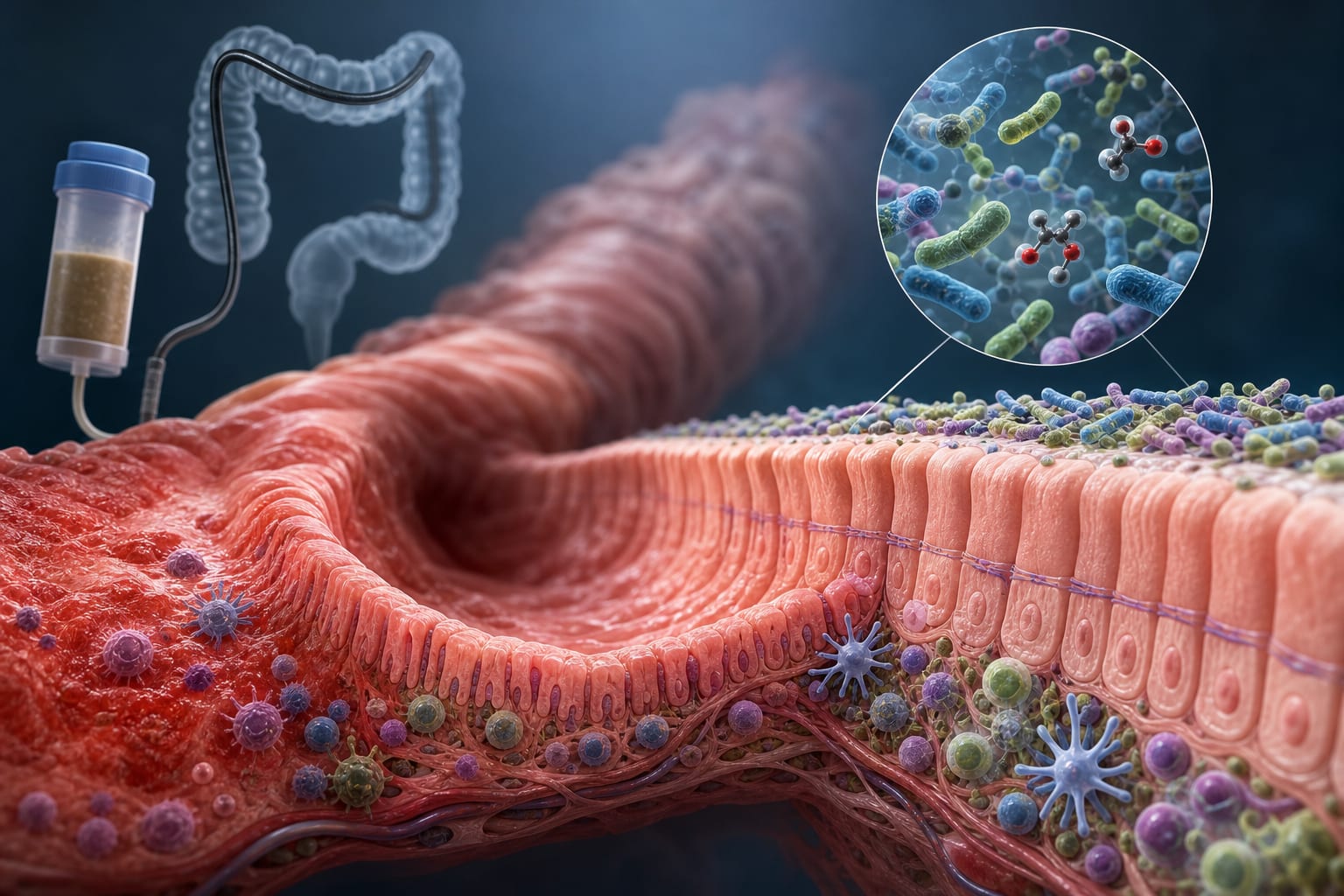
To synthesize the definition, biogenesis, immunomodulatory mechanisms, disease relevance, and translational biomarker potential of strict host–microbial co-metabolites, focusing on their interactions and implications.
Approach:
Definition and Biogenesis: Host–microbial co-metabolites are small molecules whose structure or concentration is determined by both microbial and host enzymatic transformations.
Mechanisms: Co-metabolites function as chemical messengers influencing immune modulation, mitochondrial function, and systemic metabolic regulation.
Key Findings:
Co-metabolites include secondary bile acids, TMAO, indoxyl sulfate, p-cresyl sulfate, phenylacetylglutamine, and hippurate.
Dysregulation of co-metabolite production is linked to chronic inflammation and various diseases, including inflammatory bowel disease and cardiovascular disease.
Bile acids are synthesized by the liver and modified by gut bacteria, while indoxyl sulfate is derived from tryptophan metabolism involving both gut bacteria and host enzymes.
Interpretation:
Limitations:
The review focuses solely on strict host–microbial co-metabolites, excluding microbial-only and host-only metabolites.
Potential confounding factors in the relationship between co-metabolites and disease are not extensively discussed.
Conclusion:
Host–microbial co-metabolites play a significant role in health and disease through their immunomodulatory effects.