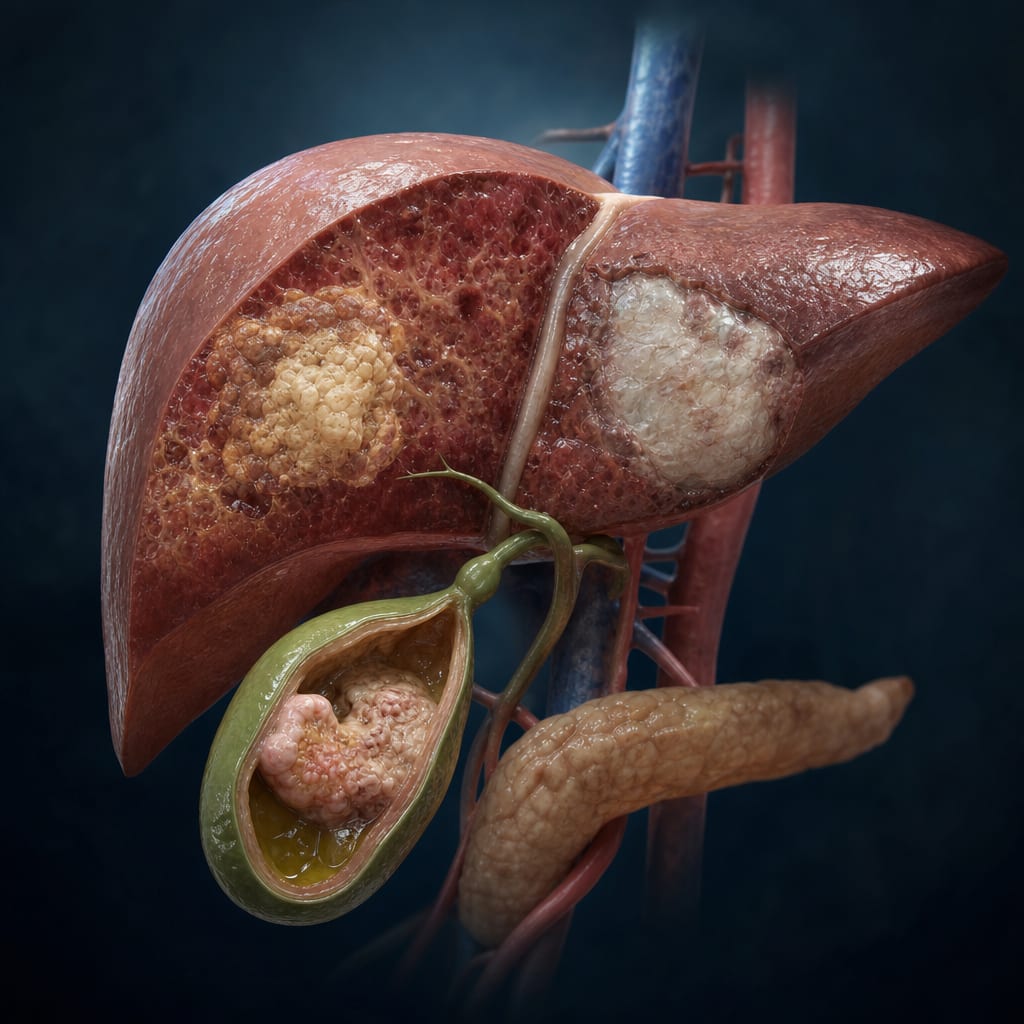
To evaluate the association between dietary inflammatory potential and the fecal microbiome and metabolome in children with Crohn’s disease, specifically comparing these factors to those in healthy children.
Key Findings:
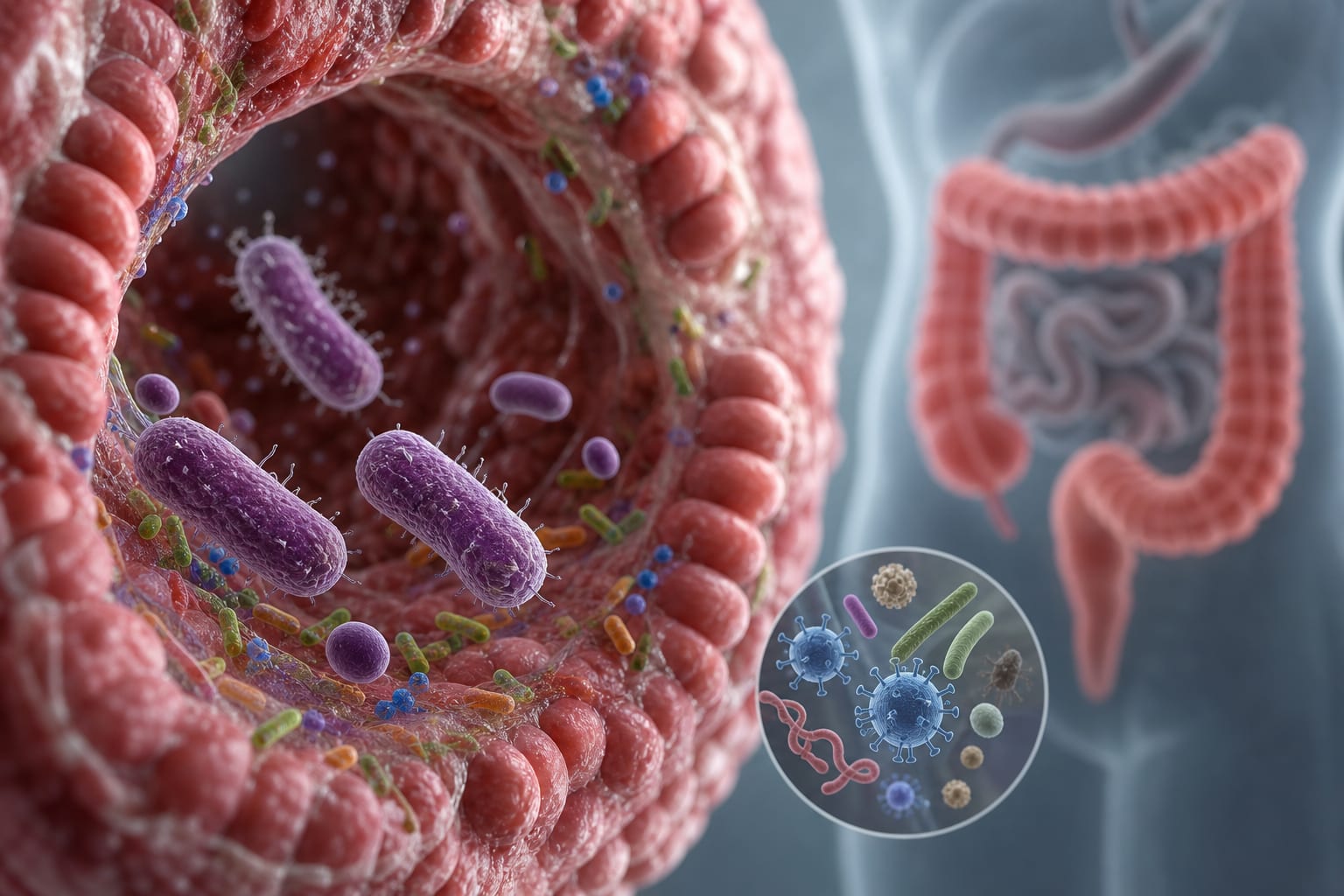
A pro-inflammatory diet was associated with decreased microbiome diversity in children with active Crohn's disease.
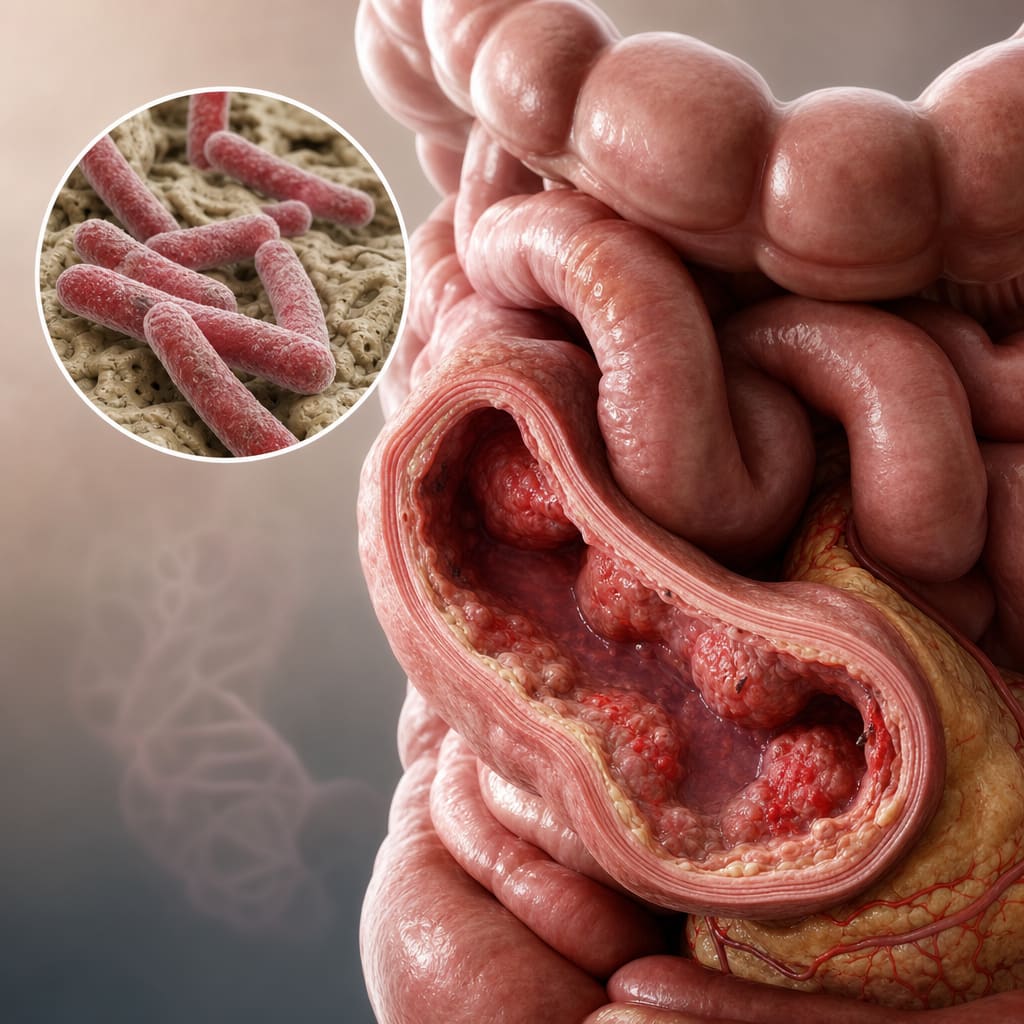
Increased virulence potential and expansion of the Proteobacteria phylum, particularly Escherichia coli, were observed.
A positive correlation between E. coli abundance and mC-DII was linked to low intake of anti-inflammatory nutrients.
Interpretation:
A pro-inflammatory diet may exacerbate dysbiosis in Crohn's disease, suggesting that dietary interventions could optimize gut health and improve disease management.
Limitations:
Cross-sectional design limits causal inferences, making it difficult to establish direct relationships.
Study population limited to a specific age range and geographic location, which may affect the generalizability of the findings.
Conclusion:
The findings indicate that dietary patterns promoting inflammation may influence microbiome composition and disease severity in pediatric Crohn's disease, highlighting the urgent need for targeted dietary interventions to improve patient outcomes.
by Jessica Breton, Vincent Tu, Ceylan Tanes, Naomi Wilson, Ryan Quinn, Kelly Kachelries, Elliot S Friedman, Kyle Bittinger, Robert N Baldassano, Charlene Compher, Lindsey Albenberg