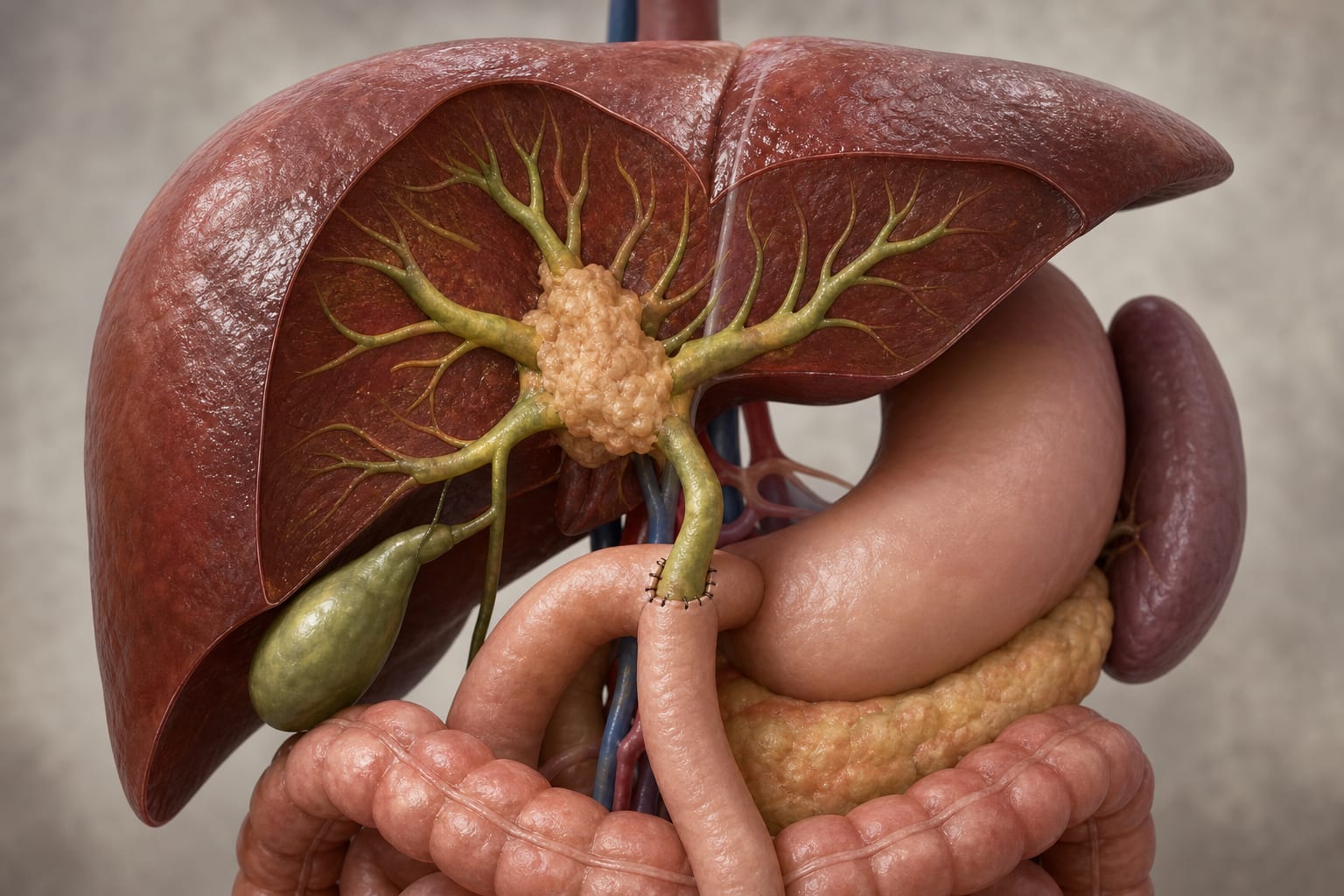
To evaluate the one-year outcomes of five laparoscopic antireflux procedures in patients with GERD, focusing on symptom burden, quality of life metrics, and postoperative functional outcomes.
Key Findings:
Nissen fundoplication was preferred for patients with higher reflux burden and preserved motility, indicating its effectiveness in this subgroup.
Partial fundoplication techniques (Dor, Toupet) and His angle reconstruction were favored for patients with impaired motility or concerns about postoperative dysphagia, highlighting their role in functional preservation.
W–H fundoplication was used as an alternative function-preserving approach, suggesting its utility in specific anatomical contexts.
Interpretation:
The outcomes reflect the effectiveness of phenotype-driven surgical decision-making, indicating that observed results may be more about patient-procedure matching than direct comparisons of procedural efficacy.
Limitations:
The study's retrospective nature may introduce selection bias.
Procedure allocation was not random, limiting the generalizability of findings.
Potential confounding factors may affect outcomes due to the retrospective design.
Conclusion:
The study supports individualized, phenotype-informed selection of laparoscopic antireflux procedures to optimize patient outcomes in GERD treatment.