To highlight unusual medical cases and their implications for patient care.
Key Findings:
Eucalyptus oil can be fatal at lower doses than previously thought, necessitating caution in its use.
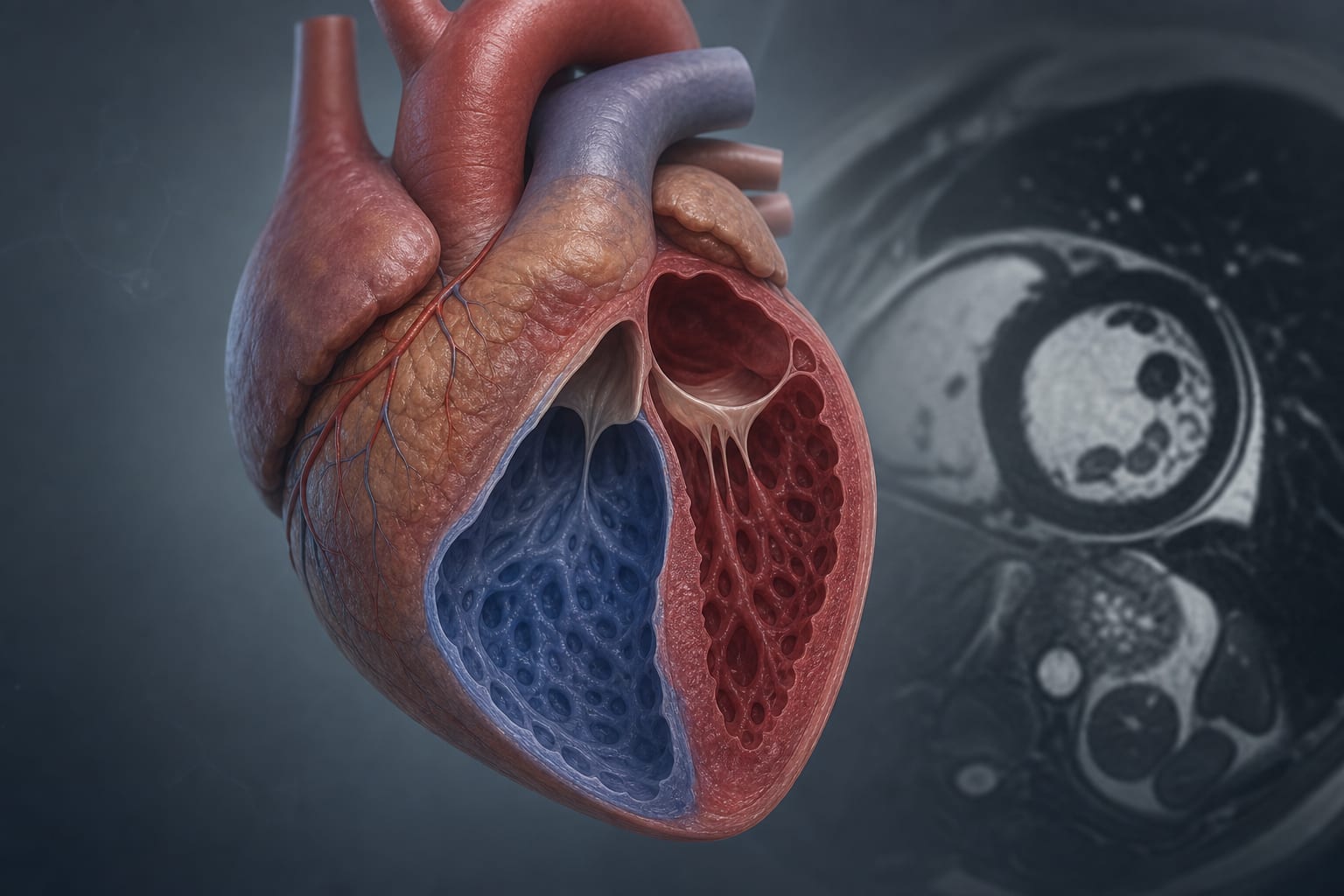
The cardiovascular system may register perceptual errors before conscious awareness, indicating a potential area for further research.
Purple urine can occur without serious infection, requiring minimal intervention, which can prevent unnecessary treatments.
Adverse childhood experiences significantly impact BMI in youths, particularly among Latinx and Hispanic populations, suggesting targeted interventions may be necessary.
Genetically proxied tea intake does not affect glioblastoma risk, challenging previous assumptions about dietary impacts on cancer.
Interpretation:
These cases illustrate the complexity and unpredictability of medical conditions, emphasizing the importance of thorough clinical assessment and adaptability in patient care.
Limitations:
Case studies may not be generalizable to broader populations, limiting the applicability of findings.
Small sample sizes in some studies limit the strength of conclusions, necessitating caution in interpretation.
Potential confounding factors, such as socioeconomic status and access to healthcare, were not accounted for in observational studies.
Conclusion:
The intersection of medicine and the unexpected highlights the need for vigilance and adaptability in clinical practice, as demonstrated by the diverse cases presented.