Research progress on debridement, antibiotics, and implant retention (DAIR) for the treatment of periprosthetic joint infection after artificial joint replacement - Summary - MDSpire
Conexiant’s news site is now MDSpire News. Learn more
Advertisement
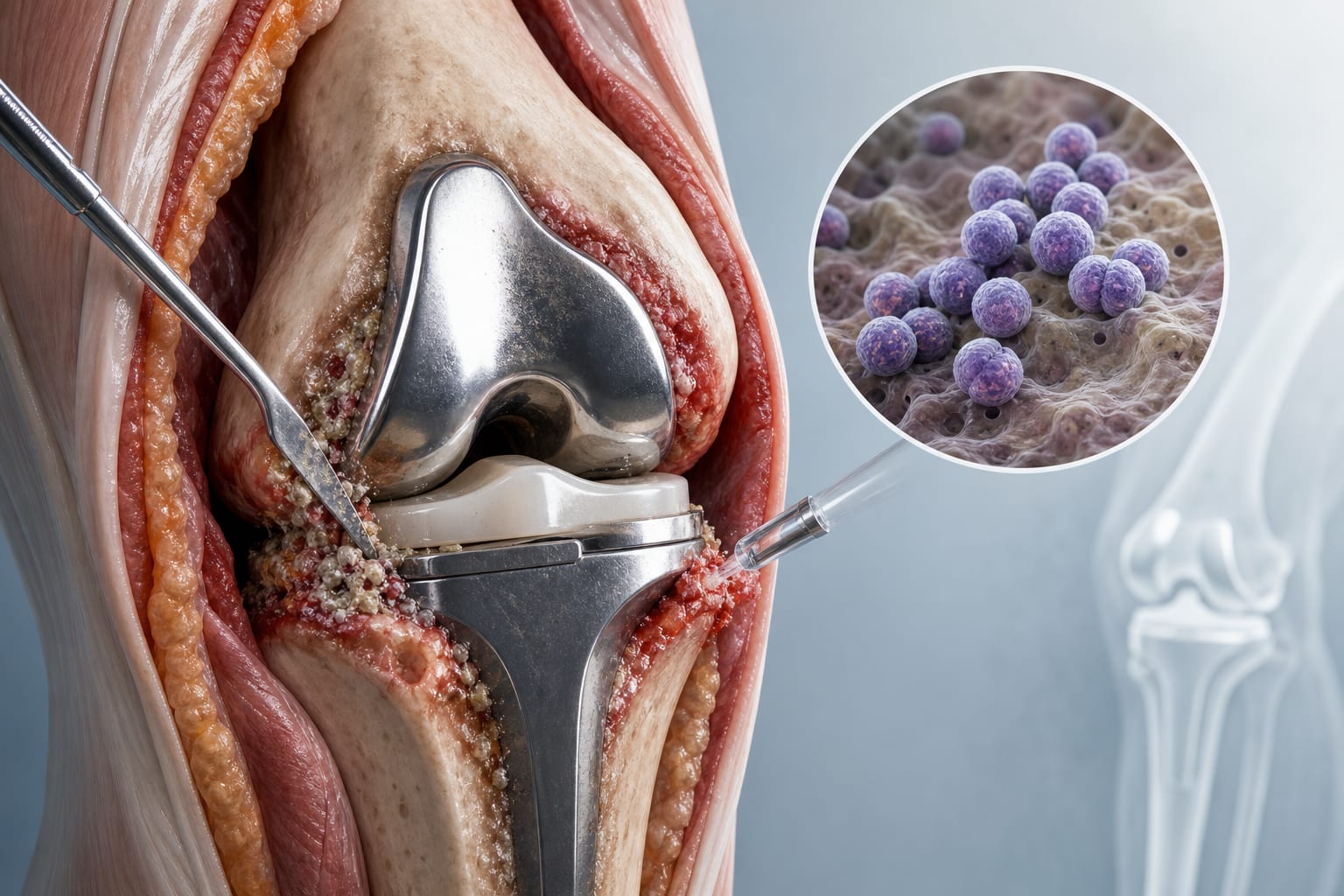
Advancements in Debridement, Antibiotic Therapy, and Implant Preservation (DAIR) for Managing Periprosthetic Joint Infections Following Joint Replacement Surgery
To evaluate the indications, influencing factors, and technical advancements of DAIR to improve treatment success rates.
Approach:
Timing of Debridement: DAIR is recommended for acute postoperative PJI and acute hematogenous PJI, ideally performed within 4 weeks of symptom onset.
Key Findings:
DAIR success rates exceed 80% when performed within 90 days of surgery.
Delays beyond one month significantly reduce DAIR success rates.
Obesity, diabetes, and immunosuppression are critical risk factors for PJI.
Interpretation:
Early diagnosis and timely intervention are crucial for maximizing the effectiveness of DAIR.
Limitations:
Real-world effectiveness of DAIR may be lower than reported success rates from specialized centers.
Conclusion:
DAIR is a time-sensitive treatment that can preserve implants and improve patient outcomes when applied early and with consideration of patient-specific factors.
In a small open-label randomized trial, 2 platelet-rich plasma injections were associated with greater 6-month improvements in pain and function than corticosteroid injection or oral aceclofenac among patients awaiting knee arthroplasty.
These 10 states make it more practical for physicians to participate in hospital ownership by aligning statutory structure, corporate practice of medicine rules, and population trends.