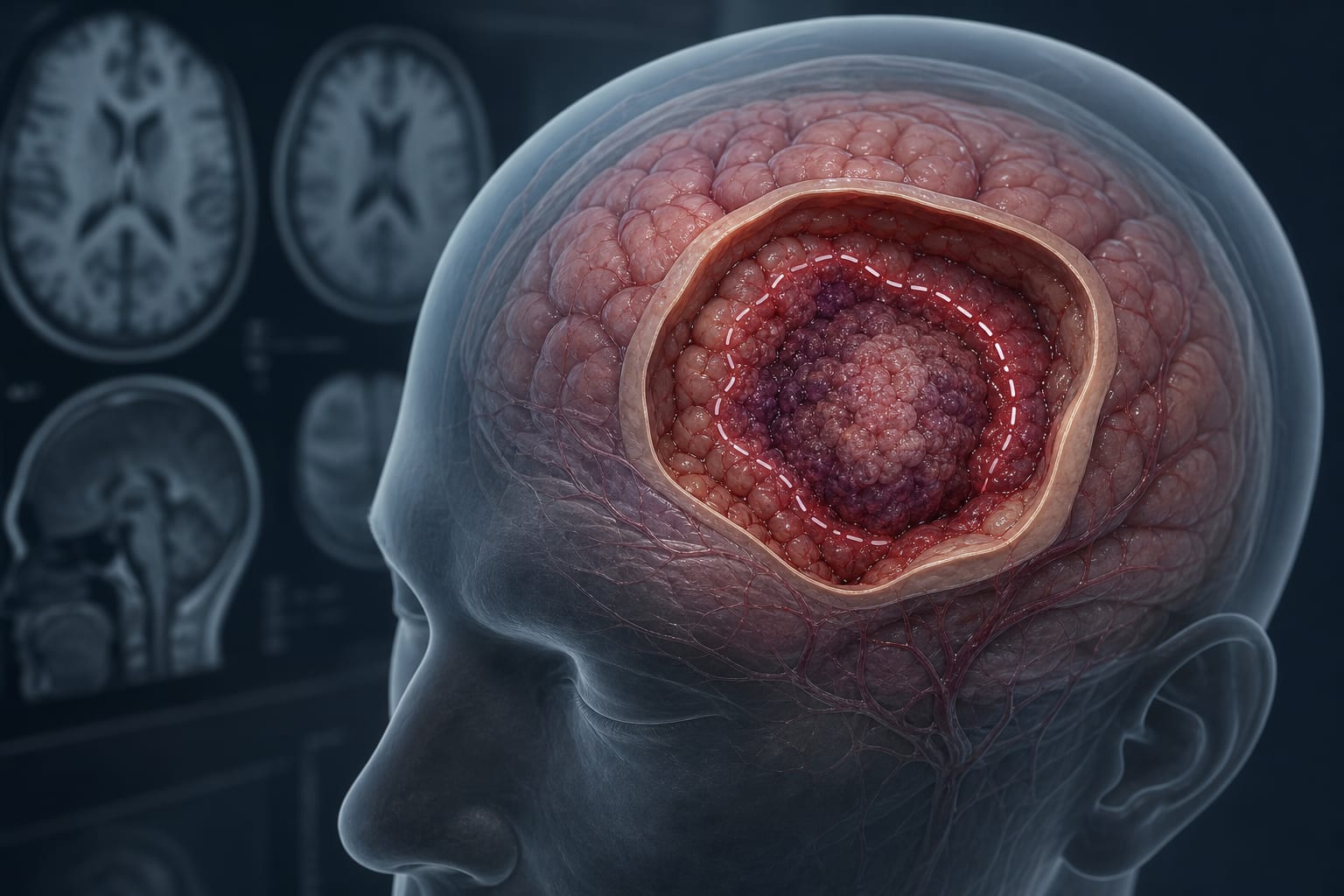
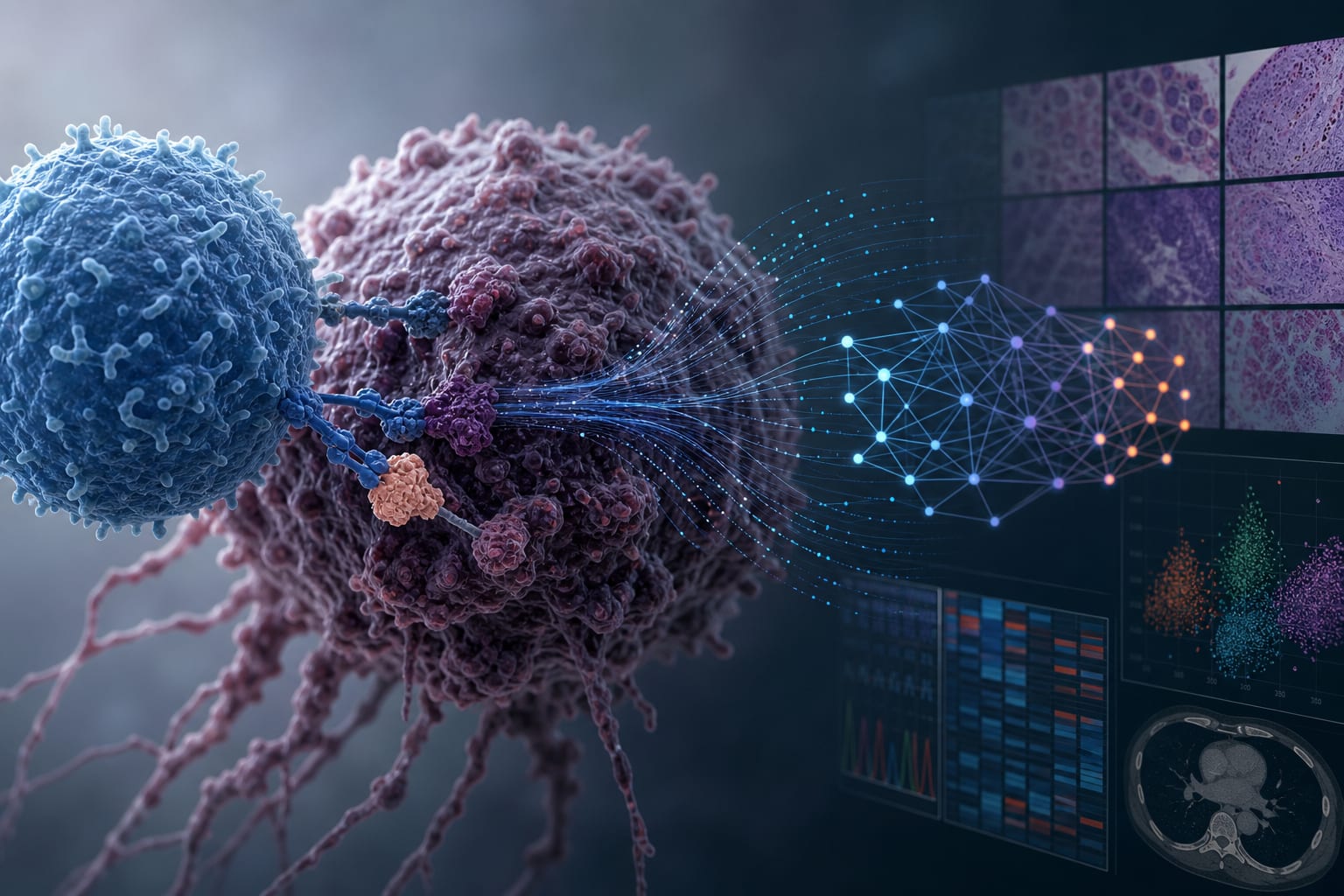
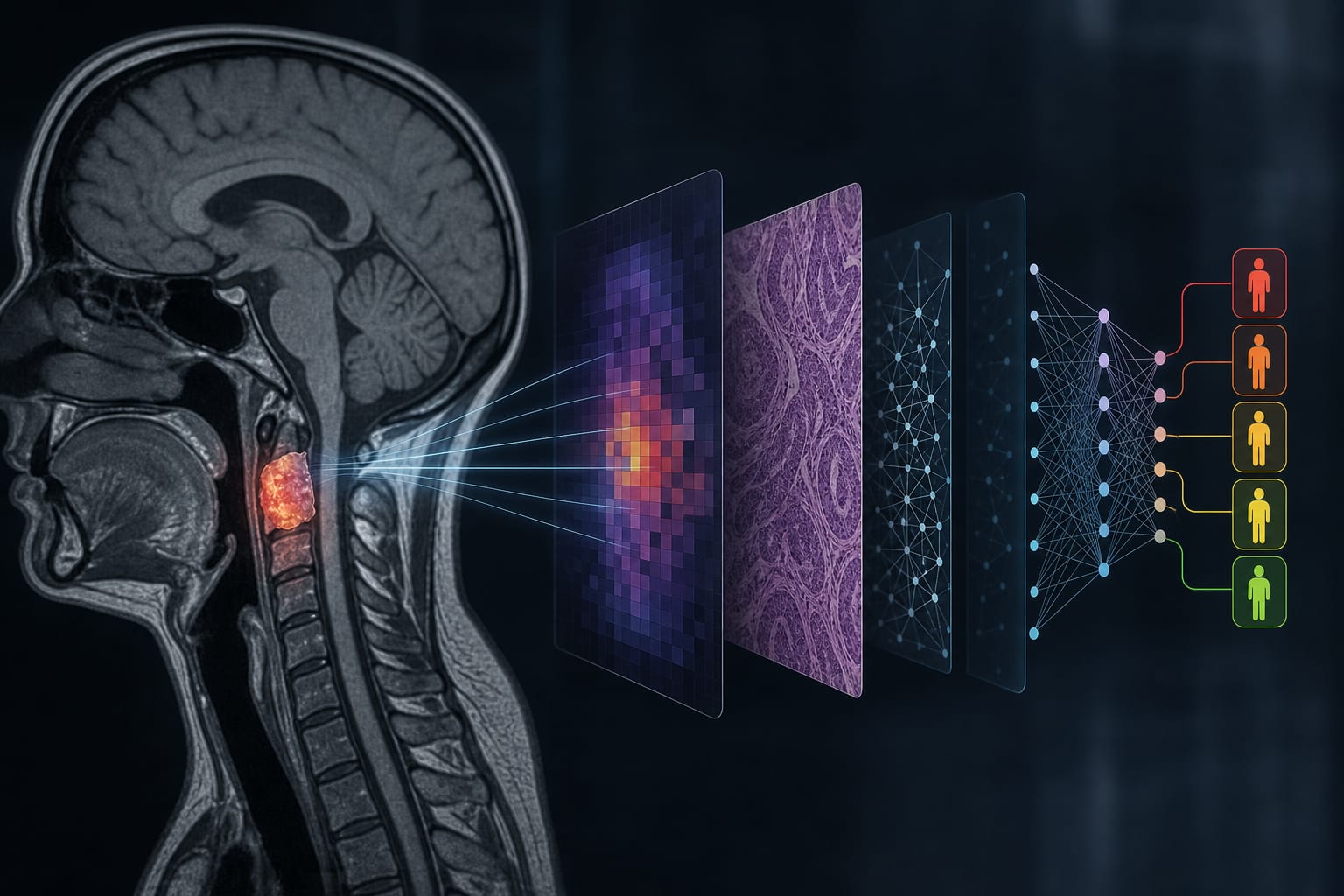
To synthesize current evidence on neurosurgical strategies that contribute to extended survival and late recurrence in IDH-wildtype glioblastoma multiforme (GBM), highlighting their clinical significance.
Key Findings:
Prolonged survival beyond two years is rare, occurring in 1%-5% of patients, often linked to GTR and favorable molecular profiles, including methylated MGMT.
GTR improves survival by 61% compared to subtotal resection (STR), particularly in patients with favorable molecular profiles.
Late recurrence presents unique challenges, including the risk of pseudoprogression and the need for advanced imaging techniques.
Interpretation:
Neurosurgical management plays a critical role in modifying the outcomes of IDH-wildtype GBM, emphasizing the importance of surgical expertise and advanced techniques in achieving better survival rates and suggesting areas for future research.
Limitations:
The rarity of prolonged survival cases limits the generalizability of findings and may introduce selection bias.
Complications such as postoperative infarction can significantly impact prognosis and should be closely monitored.
Conclusion:
Refined surgical approaches, including optimized resection techniques and intraoperative imaging, are essential to improve outcomes in patients with IDH-wildtype GBM, underscoring the need for ongoing innovation in neurosurgical practices.