To explore the potential of complex in vitro models (CIVMs), specifically blood-brain barrier (BBB) organoids, for preclinical toxicity testing, bridging the gap between traditional safety evaluation practices and innovative bioengineering.
Key Findings:
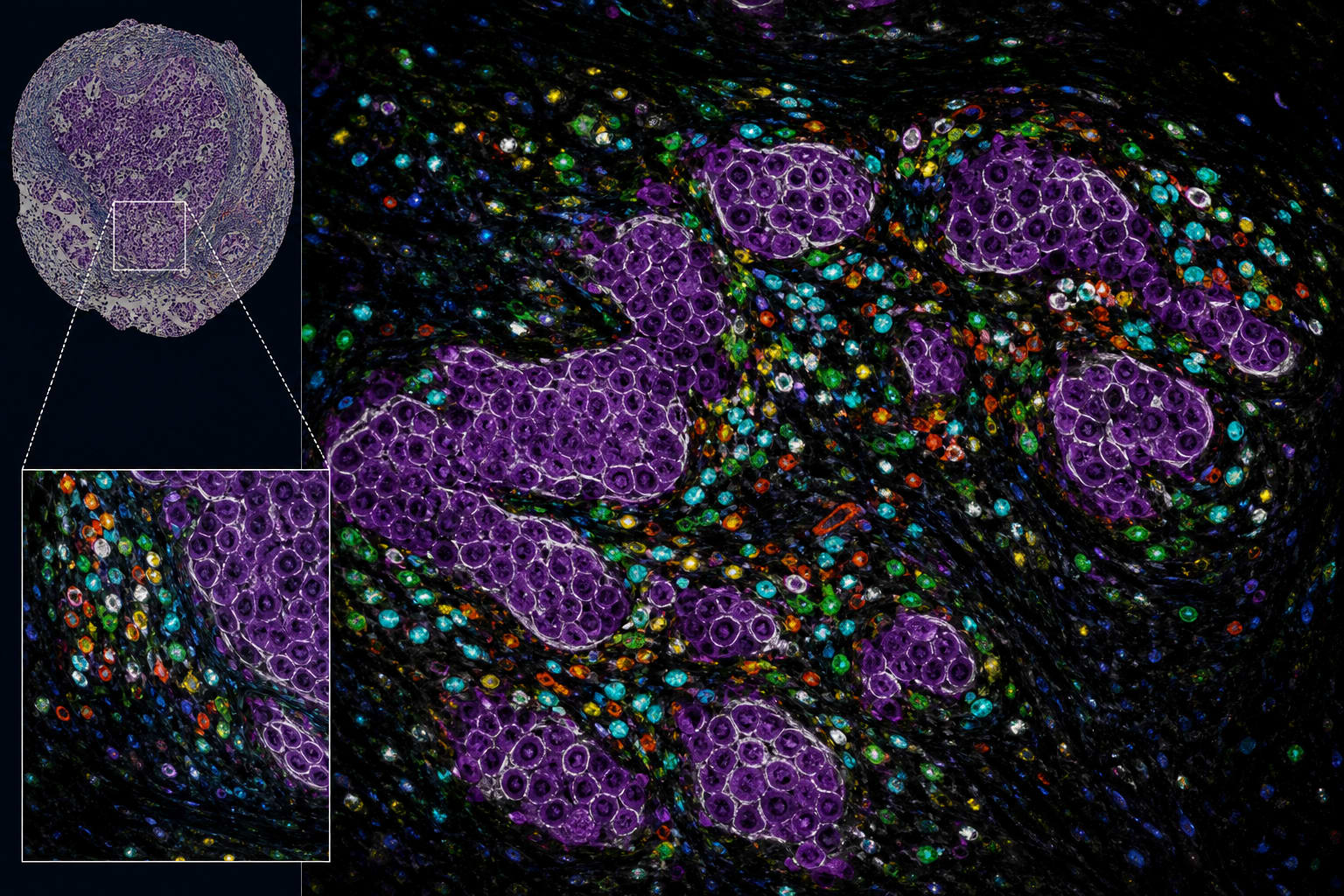
AI performed better on glioblastoma organoids than on simpler BBB organoids due to richer structural context.
Formalin-fixed, paraffin-embedded processing is generally best for preserving morphology for digital pathology.
Algorithm-supported analysis can standardize evaluations and improve efficiency in organoid assessment.
Interpretation:
Current preclinical evaluation methods often fail due to oversimplified 2D cultures and non-human-representative animal models, highlighting the need for human-relevant methodologies like 3D organoids to address these shortcomings.
Limitations:
No one-size-fits-all approach for embedding and sectioning methods, which can lead to variability in results.
Labor-intensive nature of 3D imaging despite its advantages, potentially limiting its widespread adoption.
Conclusion:
The future of organoid-based pathology lies in multidisciplinary collaboration and advancements in automation, which could enhance diagnostic utility and patient-specific treatment approaches.