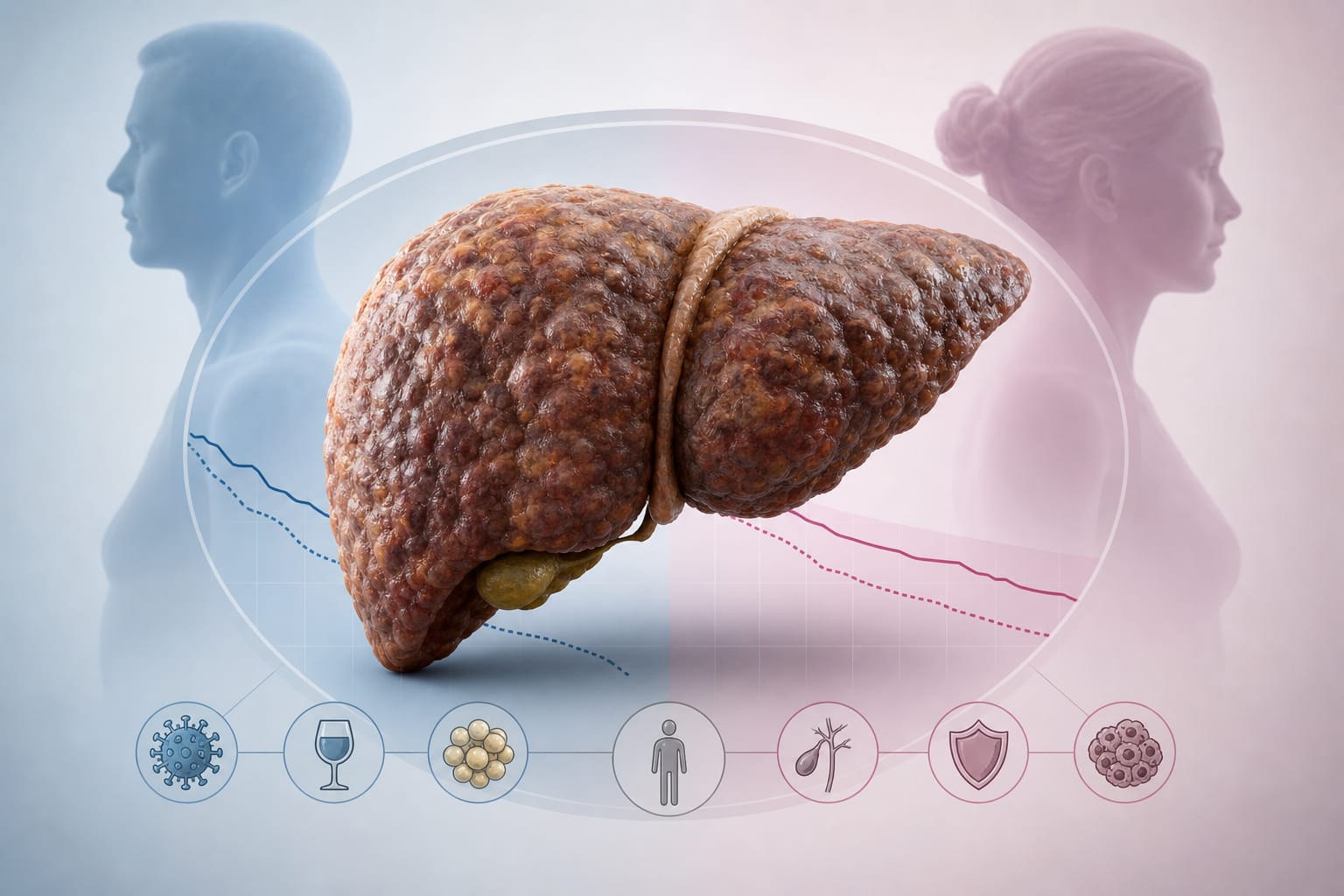
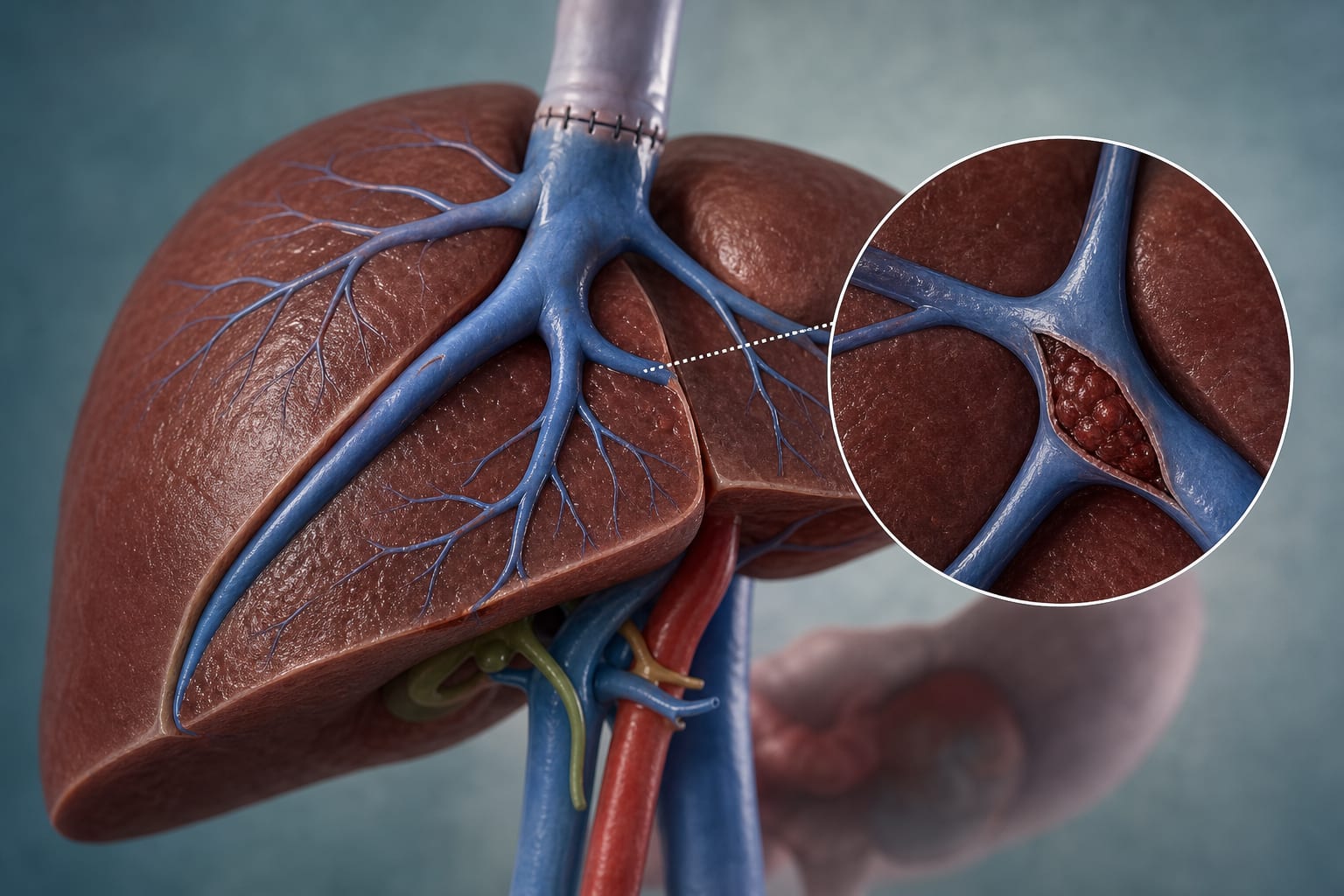
To explore mechanisms and clinical implications of sepsis-associated liver injury (SALI) and propose a transition towards precision medicine informed by immunobiology.
Approach:
Biological rationale: gut–liver crosstalk in SALI: Investigated the role of gut-primed neutrophils in promoting hepatic injury during sepsis, highlighting the significance of NET formation and Kupffer cell activation.
Biological rationale: loss of hepatic immune tolerance in SALI: Examined the disruption of hepatic immune tolerance due to sepsis, focusing on the polarization of Kupffer cells and the implications for hepatocyte injury.
Bedside risk stratification and subphenotyping using routine liver tests in SALI: Utilized routine biomarkers to derive SALI sub-phenotypes for risk stratification in ICU settings, emphasizing the AST-to-ALT De Ritis ratio.
Clinical translation: risk enrichment before SALI-targeted therapy: Identified potential therapeutic targets based on preclinical evidence, including NET formation and Kupffer cell polarization.
Key Findings:
SALI is prevalent in 34-46% of sepsis patients and can manifest through various liver test abnormalities.
Gut-derived inflammatory signals significantly contribute to hepatic injury during sepsis.
Routine liver tests can aid in risk stratification for patients with SALI, with the AST-to-ALT De Ritis ratio being a key predictor of mortality.
Interpretation:
Understanding the immunobiological mechanisms underlying SALI can inform precision medicine approaches.
Limitations:
Caution is advised when extrapolating findings from murine models to human SALI.
The proposed risk stratification categories are not validated liver-specific biological endotypes.
Conclusion:
The integration of mechanistic insights and clinical risk stratification may enhance the management of SALI in sepsis patients.